Treat rubato as a shared decision
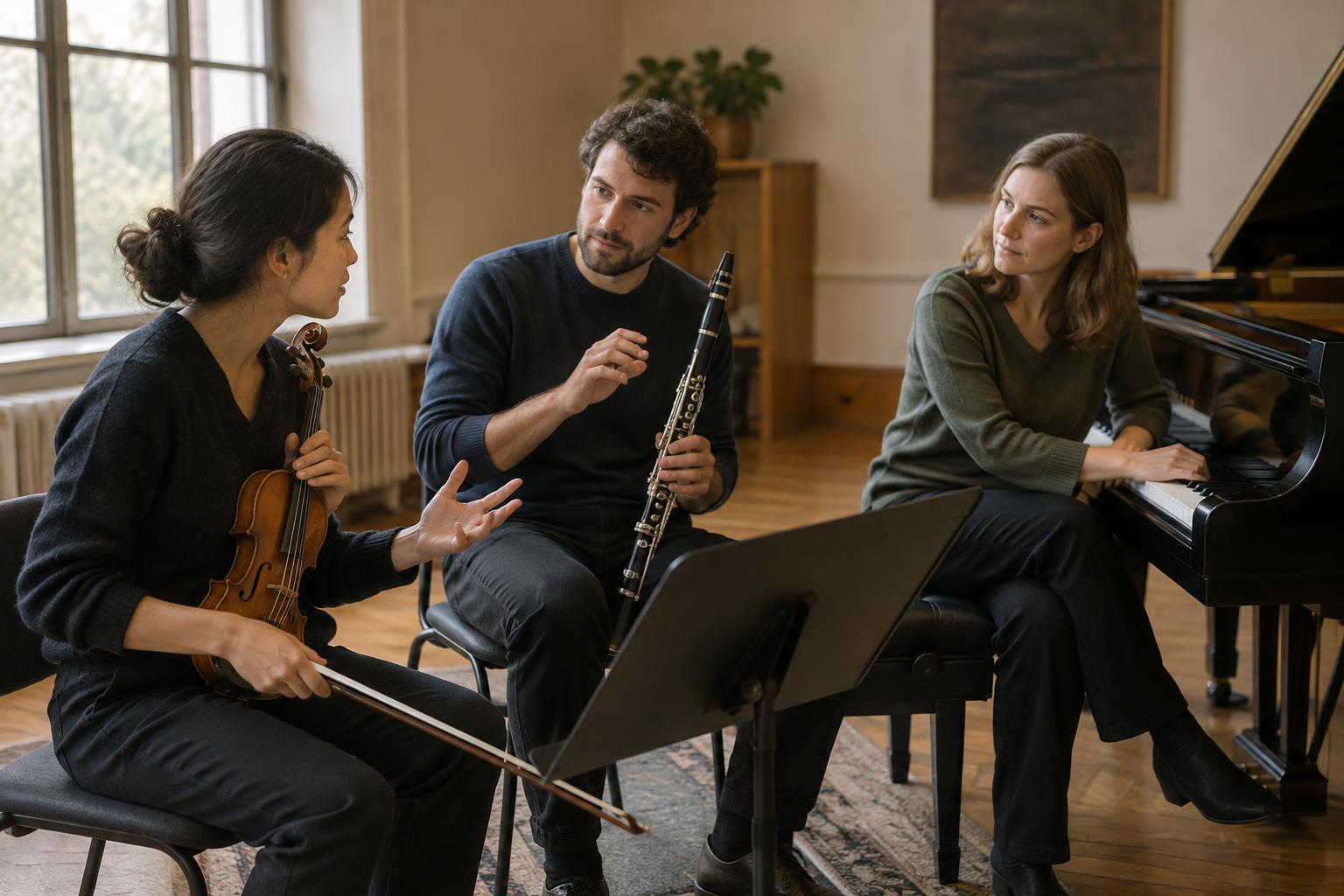
Rubato is a flexible approach to timing: a phrase may linger, move ahead, or settle back for expressive effect. In solo playing, one musician can make those choices in the moment. In chamber music, another player may be sustaining a note, moving through an accompaniment, or preparing an entrance while the timing changes. The challenge is not simply to follow the person with the melody. It is to understand together why the phrase is changing shape.
Begin by identifying a specific musical purpose. Are you making room for a surprising harmony, giving a high note space to speak, or easing into the end of a phrase? A shared reason is more useful than a vague request to “be expressive.” It gives everyone something to listen for and helps keep each stretch or acceleration connected to the music around it.
Find the pulse underneath the flexibility
Before experimenting with rubato, play the passage at a comfortable, steady tempo. Notice the beat, the smaller divisions within it, and the points where parts change notes together. A steady run-through is not the finished interpretation. It gives the group a common reference, so a change of timing feels intentional rather than like uncertainty about where the beat belongs.
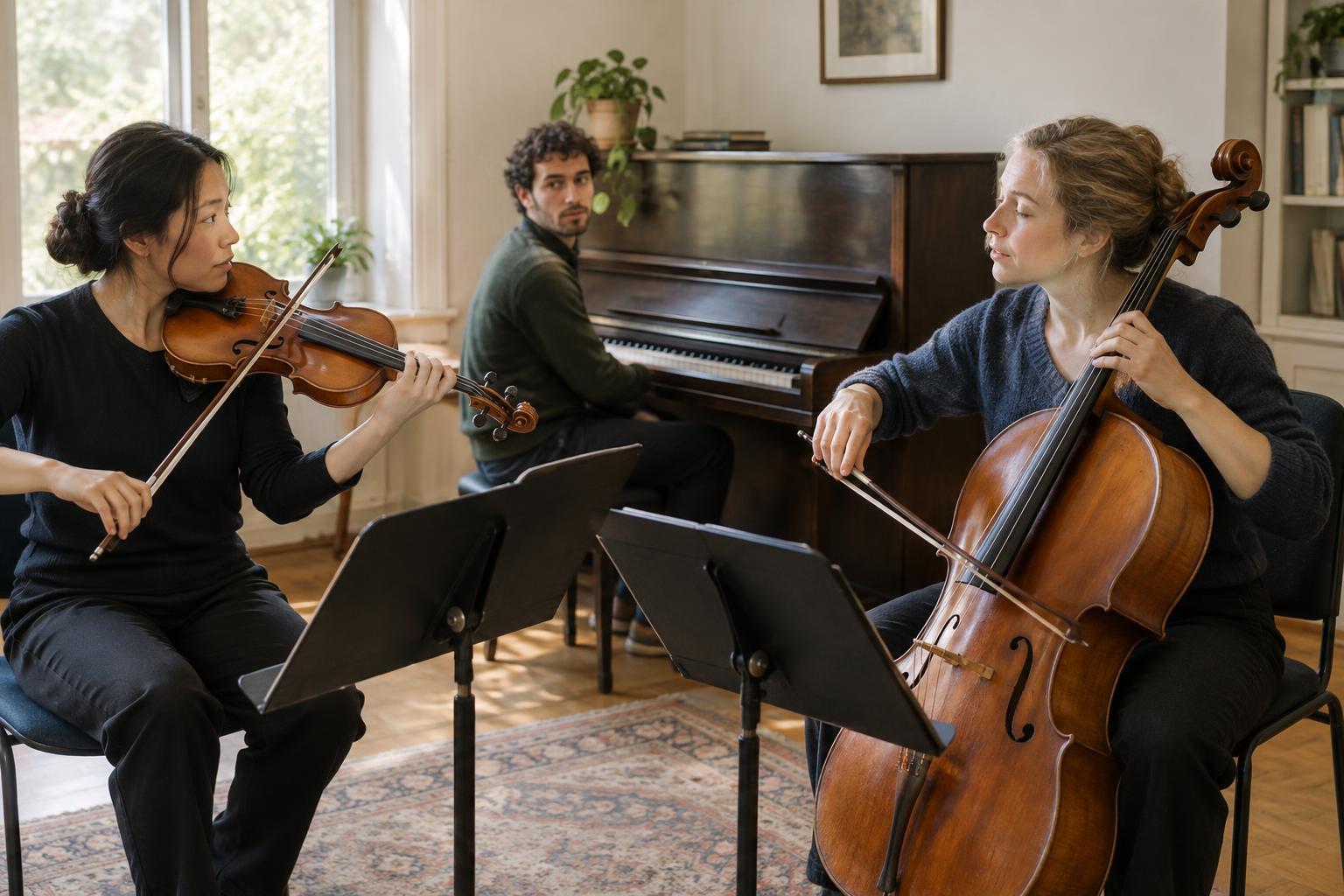
Then decide which part of the phrase is free and which part provides an anchor. A moving accompaniment might keep a gentle pulse while the melody takes a little space above it. Elsewhere, every part might broaden together toward a cadence. Neither approach suits every passage. The useful question is: what can each player rely on while the timing bends? Even a quiet inner part can provide that sense of direction.
Rehearse the arrival, not just the slowdown
Ensembles often agree to slow down at an expressive moment but leave the return to tempo undefined. Choose a clear arrival point: the next bass note, a new harmony, a pickup, or the first beat of the following phrase. Mark it in your parts if needed. Knowing where you will meet makes it easier to take freedom beforehand without leaving anyone guessing.
Try rehearsing a short passage from a few beats before the rubato through a few beats after it. First, exaggerate the timing change so everyone can hear its shape; then reduce it until it fits the phrase. Repeat the passage with different players giving the cue. This reveals whether the ensemble understands the gesture or depends on one person making an unusually large movement.
Make cues easy to see and hear
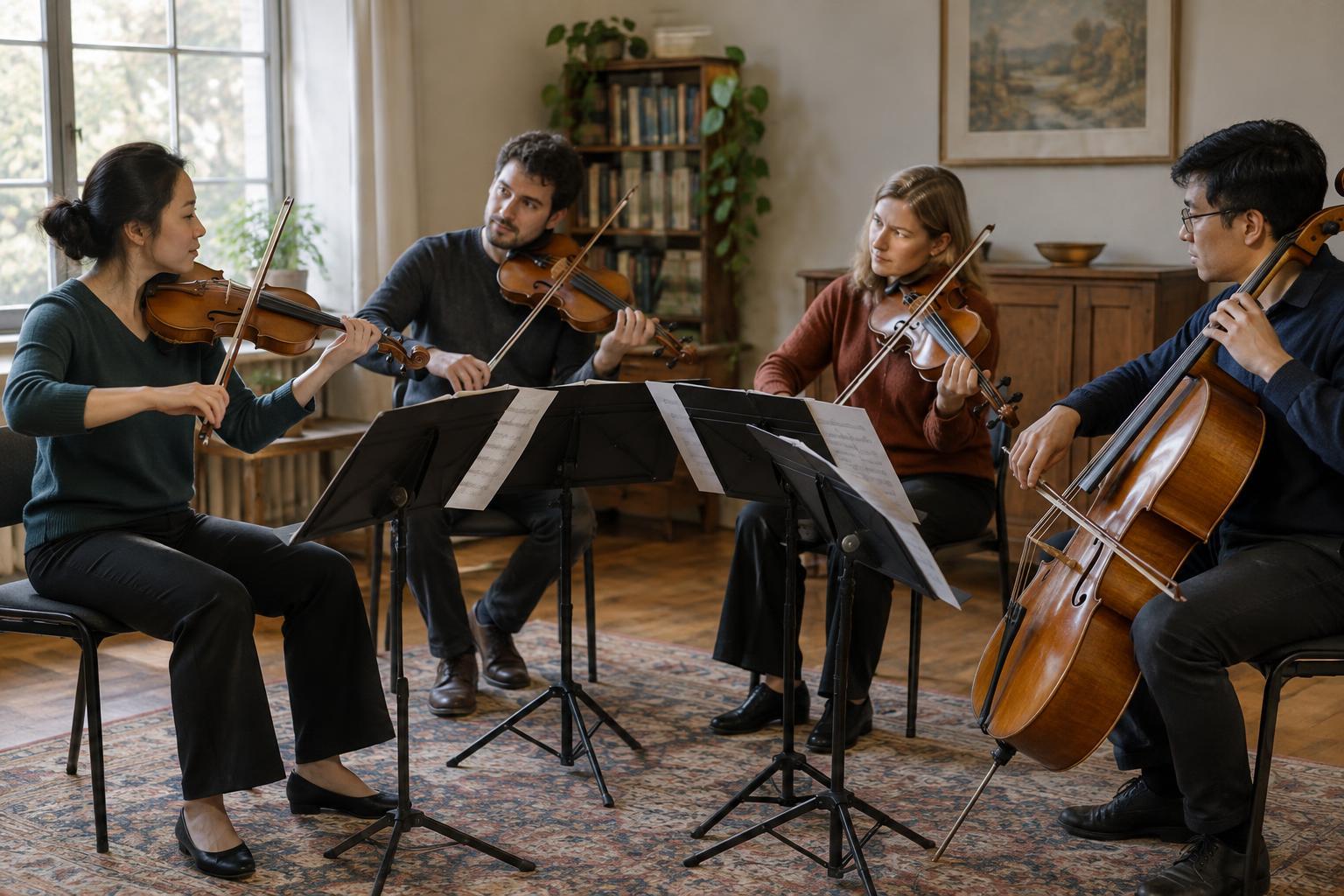
A cue need not be theatrical. An audible breath before a shared entrance, a clear release at the end of a note, or a slight movement from the player leading a phrase may be enough. The cue should happen early enough for others to respond, not at the instant the next note is due. When parts are busy, a reliable audible landmark may help more than eye contact.
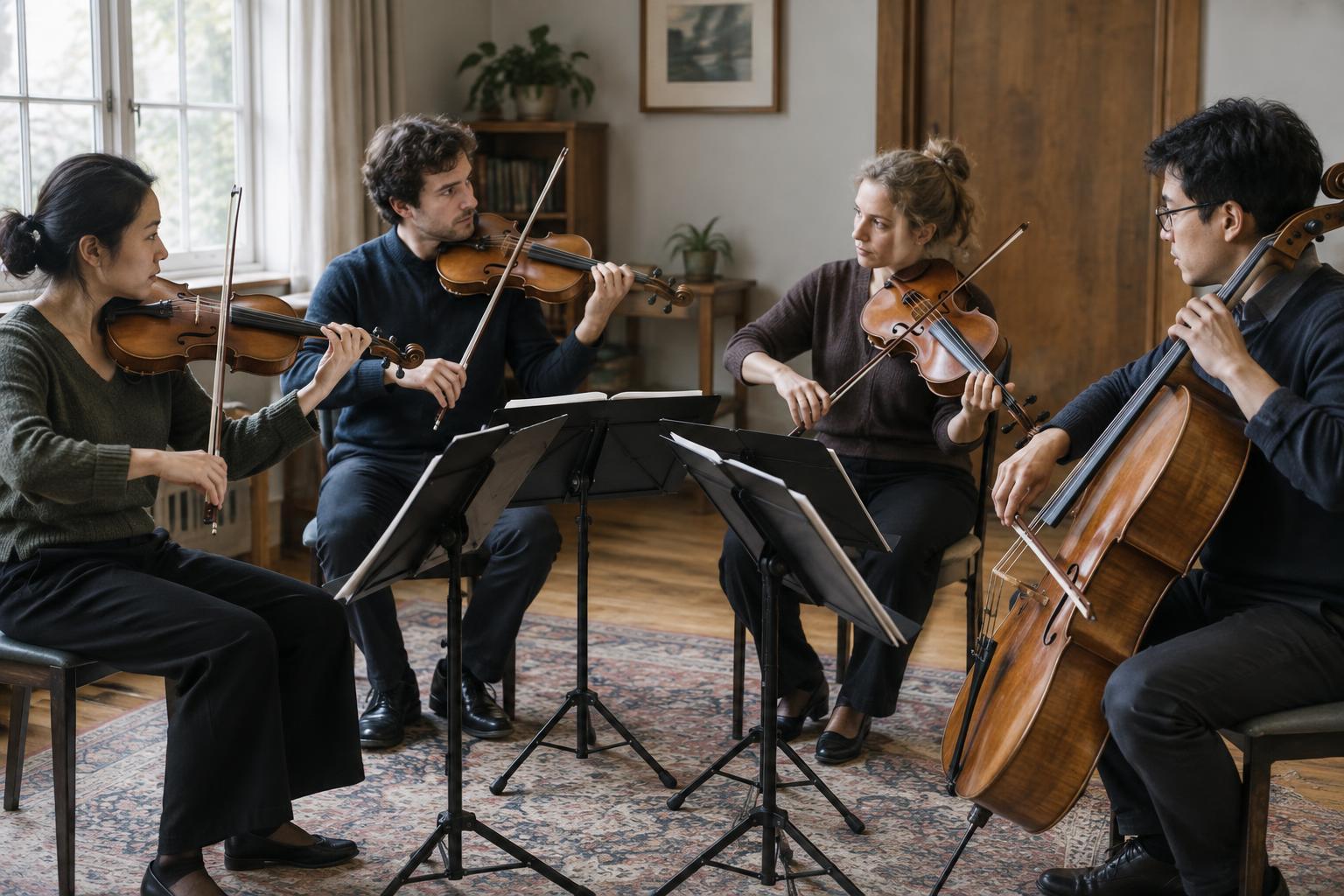
Leadership can change within a single passage. The melody player may guide a lingering note, while the bassist signals the return of a regular pulse. Talk through these handoffs, especially when a player must enter after several bars of rest. In performance, keep listening across the group rather than watching only the apparent leader: a shared breath and the sound of the harmony can tell you when the phrase is ready to move.
Leave room for the performance to breathe
The goal of rehearsal is not to fix every expressive moment to an exact duration. It is to build enough agreement that the group can respond to one another. After you have established the main anchors, try a run-through without stopping. If a moment feels compelling but differs slightly from the rehearsal plan, see whether the ensemble can follow it naturally and still reach the next landmark together.
Afterward, discuss specific moments rather than judging the whole passage as too loose or too strict. Did an entrance feel late because the cue was unclear? Did the accompaniment press forward while the melody was still finishing its thought? Small adjustments often work better than adding more visible gestures. Convincing ensemble rubato preserves the sense that everyone is hearing—and shaping—the same phrase.