Start with the venue’s guidance
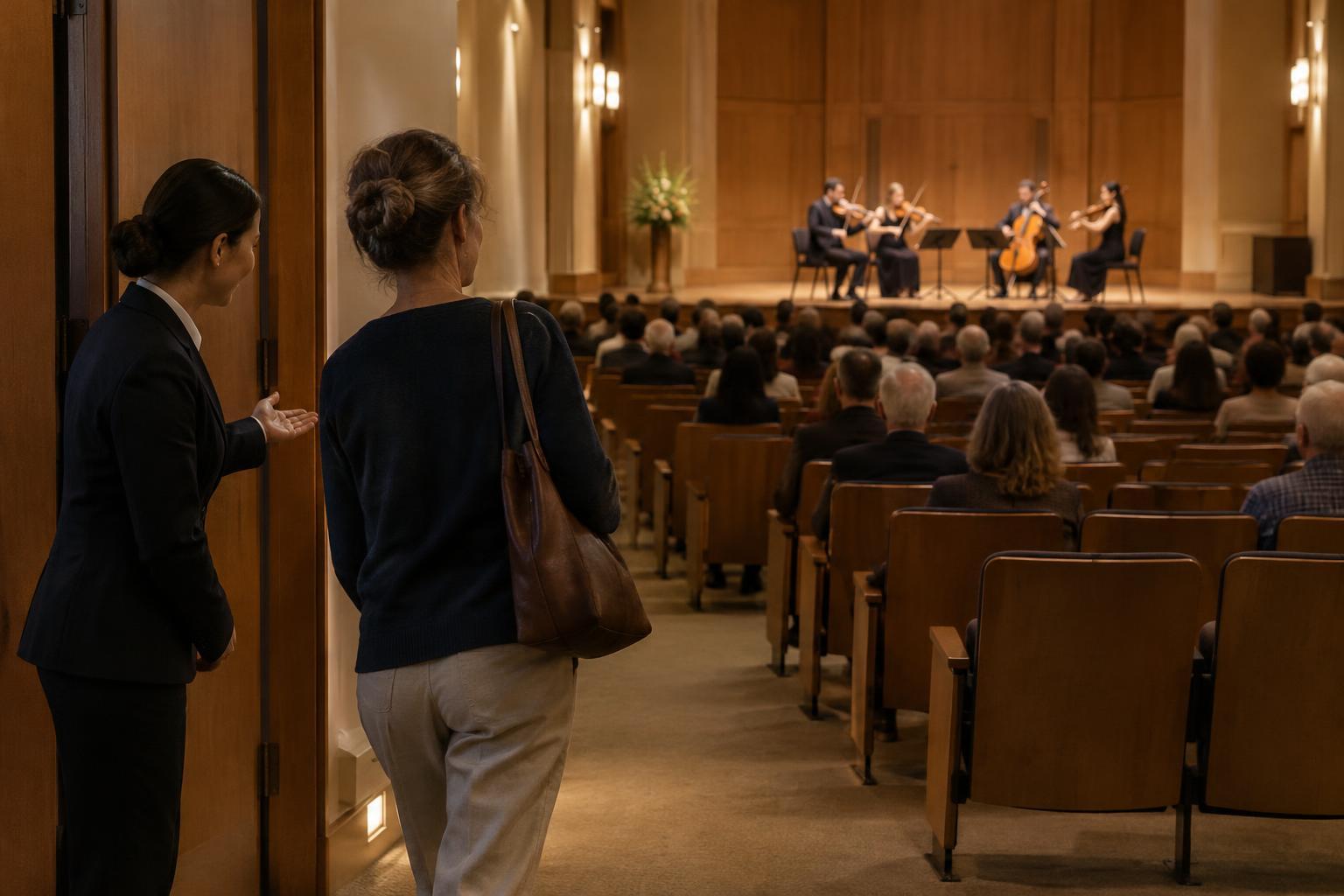
If the music has begun when you arrive, pause before opening the auditorium door. Chamber music is often performed in a small room where footsteps, a swinging door, or a whispered apology can be heard clearly. Look for an usher or box-office staff member and let them know you have a ticket and have arrived late. They can tell you where to wait and whether you may enter at a suitable break.
There is no universal late-seating rule. Some venues admit people between movements; others wait until a whole work ends or until intermission. A room with several entrances may offer more flexibility than one where every visitor must walk past the players. Follow the staff’s direction even if you can see an empty seat: they may know that reaching it would interrupt the performance.
Understand what counts as a good moment
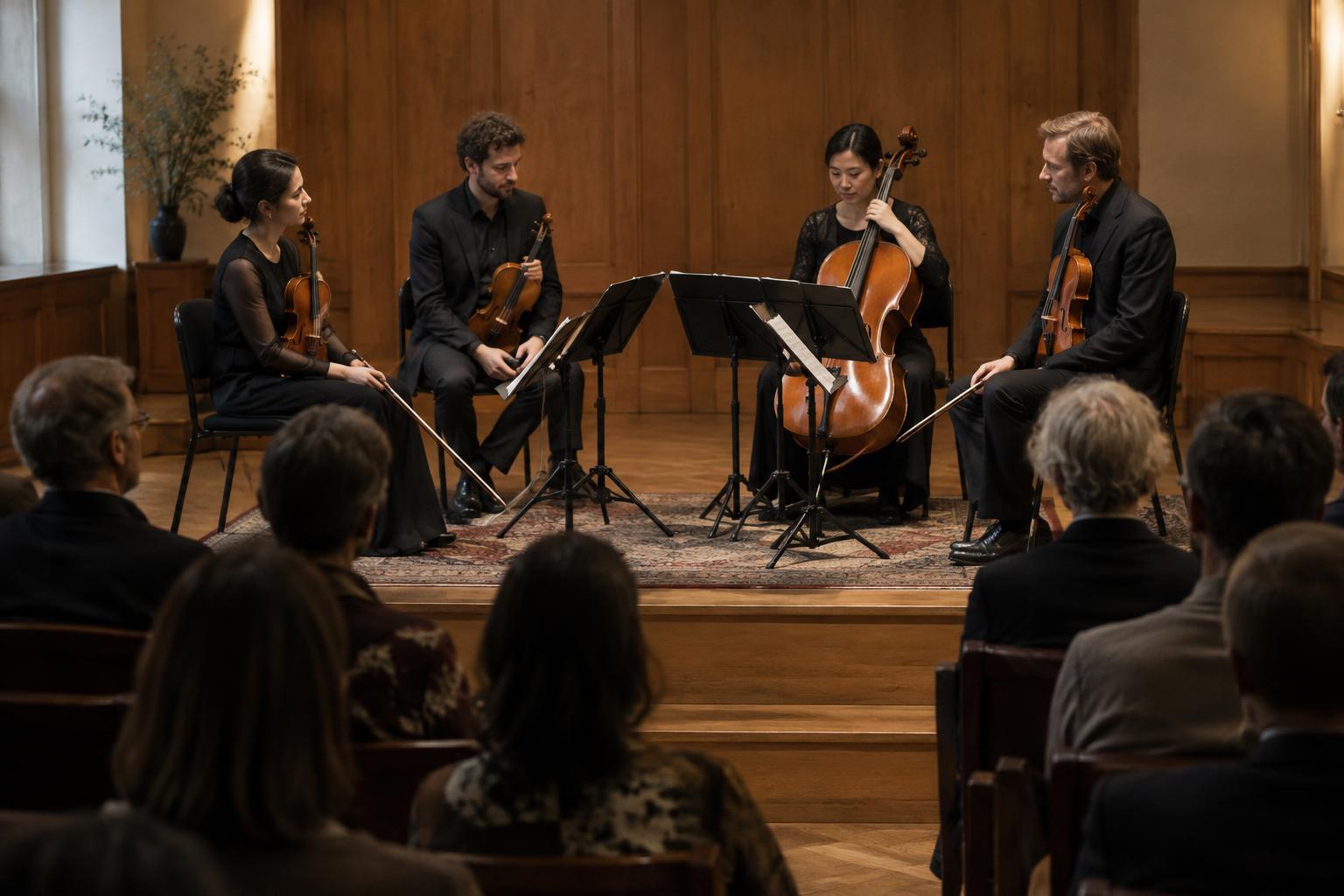
A chamber work may contain several movements, each with its own ending. The brief silence between movements can feel like a natural chance to enter, but it is not always a seating break. Performers and listeners may be holding the atmosphere of one movement before the next begins. The safest choice is to wait for an usher’s signal rather than judging from the sound alone.
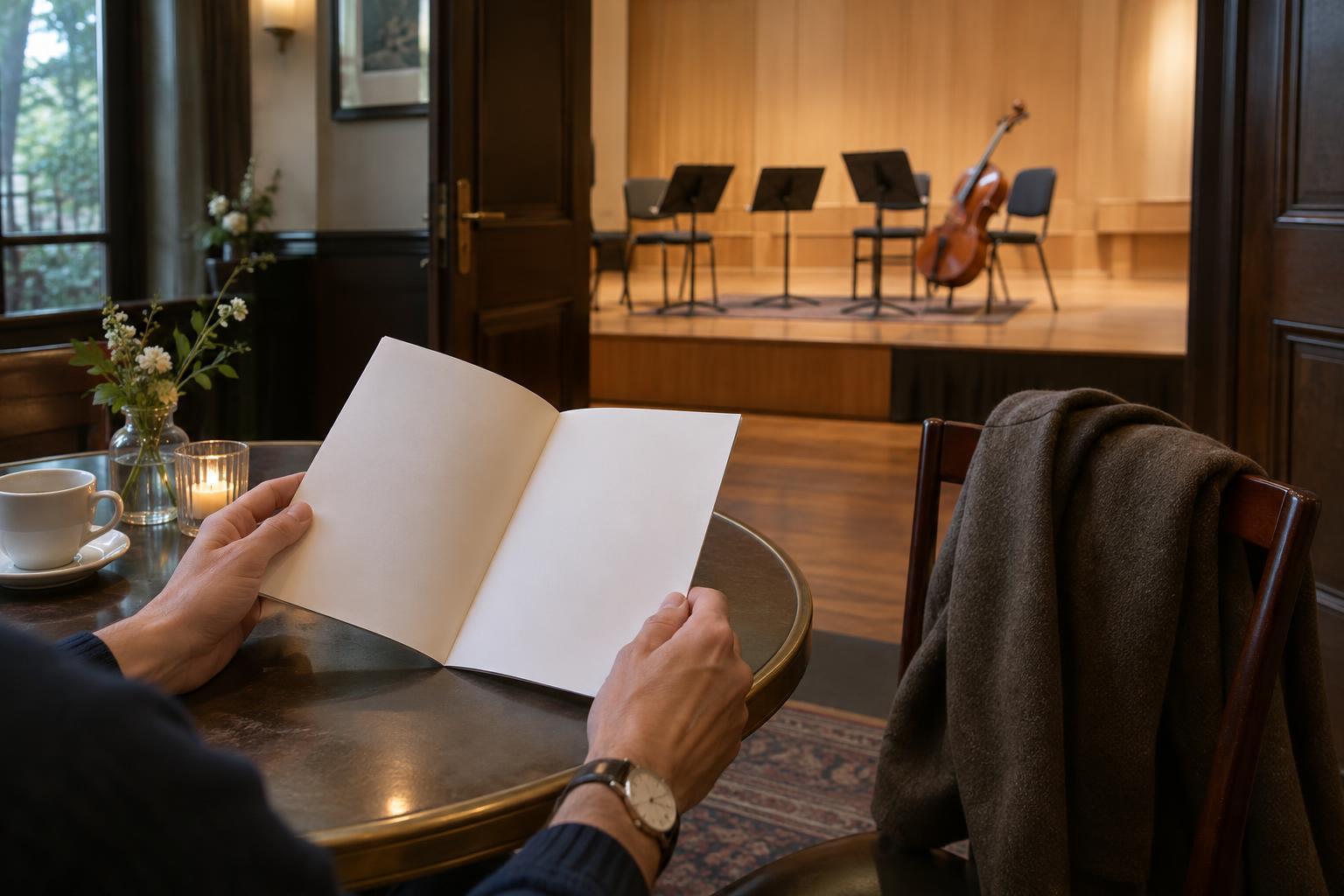
If no staff member is present, check for a posted late-seating notice and wait quietly away from the door. Applause after a work is more likely to provide enough time to enter without drawing attention, though you should still avoid rushing. If you are unsure whether the applause marks the end of the piece or only a movement, remaining outside a little longer is a courteous option.
Take the seat offered, even if it is temporary
Your ticket may assign you a seat in the middle of a row, but getting there could require several people to stand. An usher might instead direct you to a seat near the back or aisle until intermission. Accepting that temporary spot helps everyone continue listening. At the next appropriate break, ask whether you can move to your assigned place.
When you are invited in, have your ticket ready, silence your phone, and put away anything that might rustle. Let your eyes adjust before moving down an aisle. Walk steadily, follow any ushered route, and settle in without speaking. If your coat or bag needs rearranging, it is usually easier to do that before entering than beside someone who is trying to listen.
If you need a different arrangement
Waiting outside or using a temporary seat may not work for everyone. If you have a mobility, hearing, or other access need, tell the usher what would help rather than assuming you must follow the usual route. Depending on the room and available seats, staff may be able to suggest a closer entrance, an accessible place, or another way to join the concert. If entering is not possible until intermission, they can at least clarify what to expect.
The same calm approach helps if you are attending with a child or a companion, or if you need to step out again. Ask where you should sit so that leaving will cause the least disturbance. Not every venue can offer a perfect solution, but a short conversation outside the auditorium is better than trying to solve the problem while the ensemble is playing.
Make the most of the music you do hear
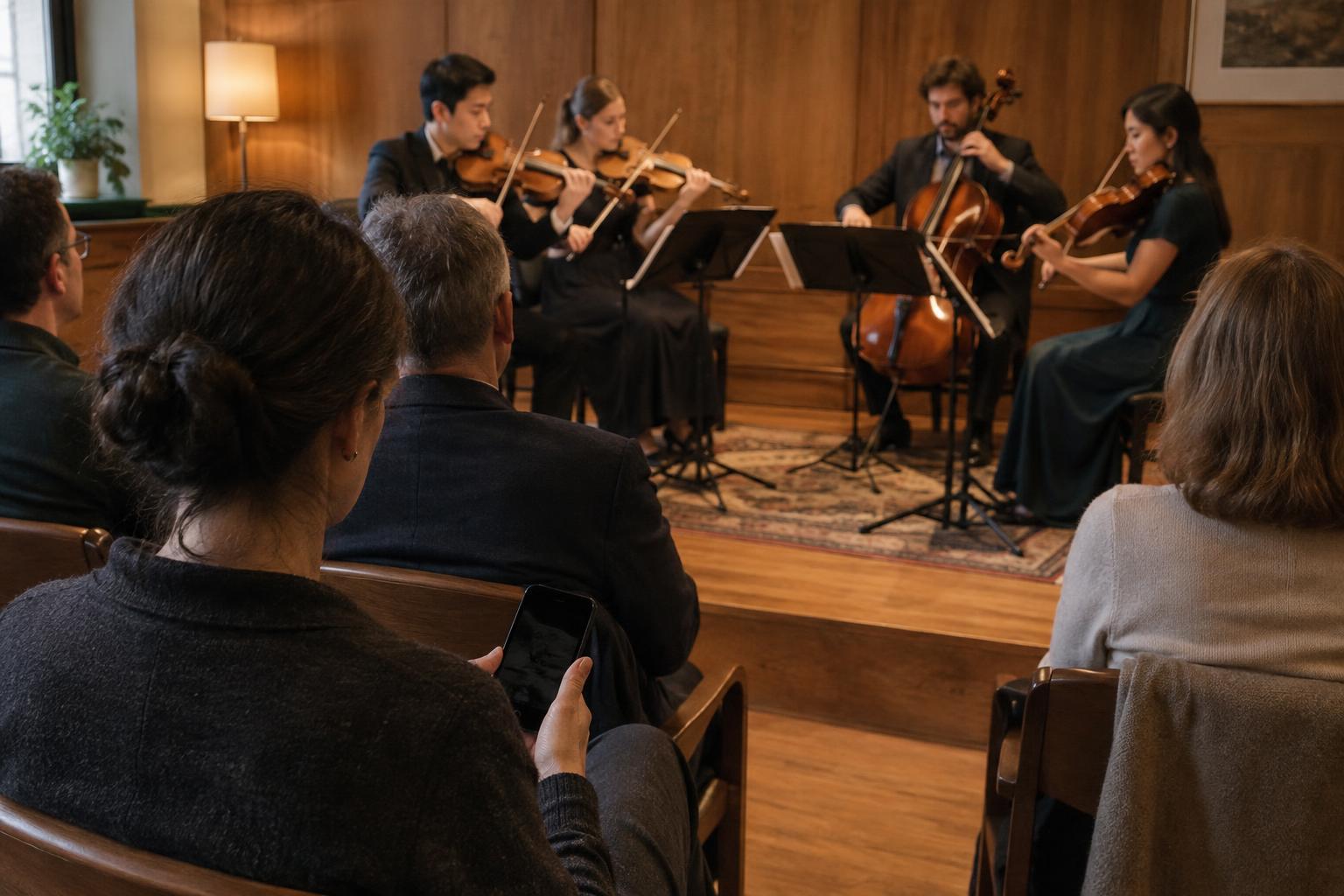
Missing the opening can be disappointing, especially if it was a piece you hoped to hear. Resist the urge to check a recording, message a friend, or scan the program on a bright screen once you are seated. Instead, take a moment to notice which instruments are playing and how they respond to one another. Chamber music can reward attention even when you join partway through.
At intermission, you can check the program to find your place and move seats if staff have said you may. Arriving late is an ordinary mishap, not a reason to abandon the concert. By waiting for guidance and entering with care, you give the performers and your fellow listeners the quiet they need—and give yourself a better chance to enjoy the rest.