Start with a familiar composer, not an unfamiliar genre
Chamber music can look like a separate world from the symphonies and concertos that first draw listeners to classical music. It need not be. Many composers wrote for both large and small groups, carrying recognizable habits of melody, rhythm and harmony between them. A chamber work lets you hear those habits without an orchestra’s range of color: individual players take on more of the musical conversation.
Choose one composer whose larger work you already enjoy, then ask what you enjoy about it. If you like dramatic contrasts in Beethoven, a piano trio or string quartet might be a rewarding next step. If you return to Brahms for his interwoven lines, try a work in which you can follow each instrument more closely. The goal is not to find a miniature symphony, but to bring a useful point of recognition into a different listening setting.
Let the ensemble name guide your first choice
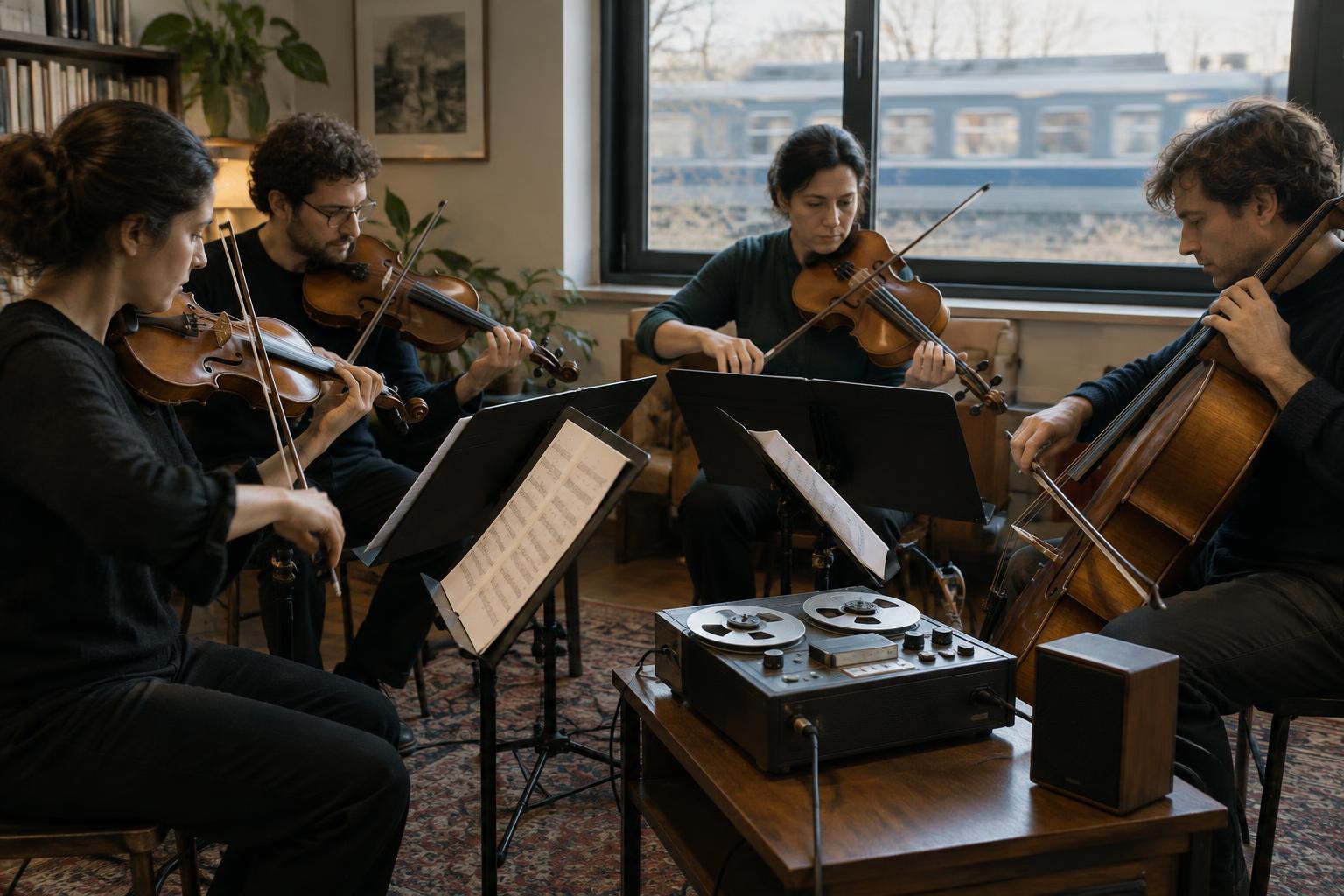
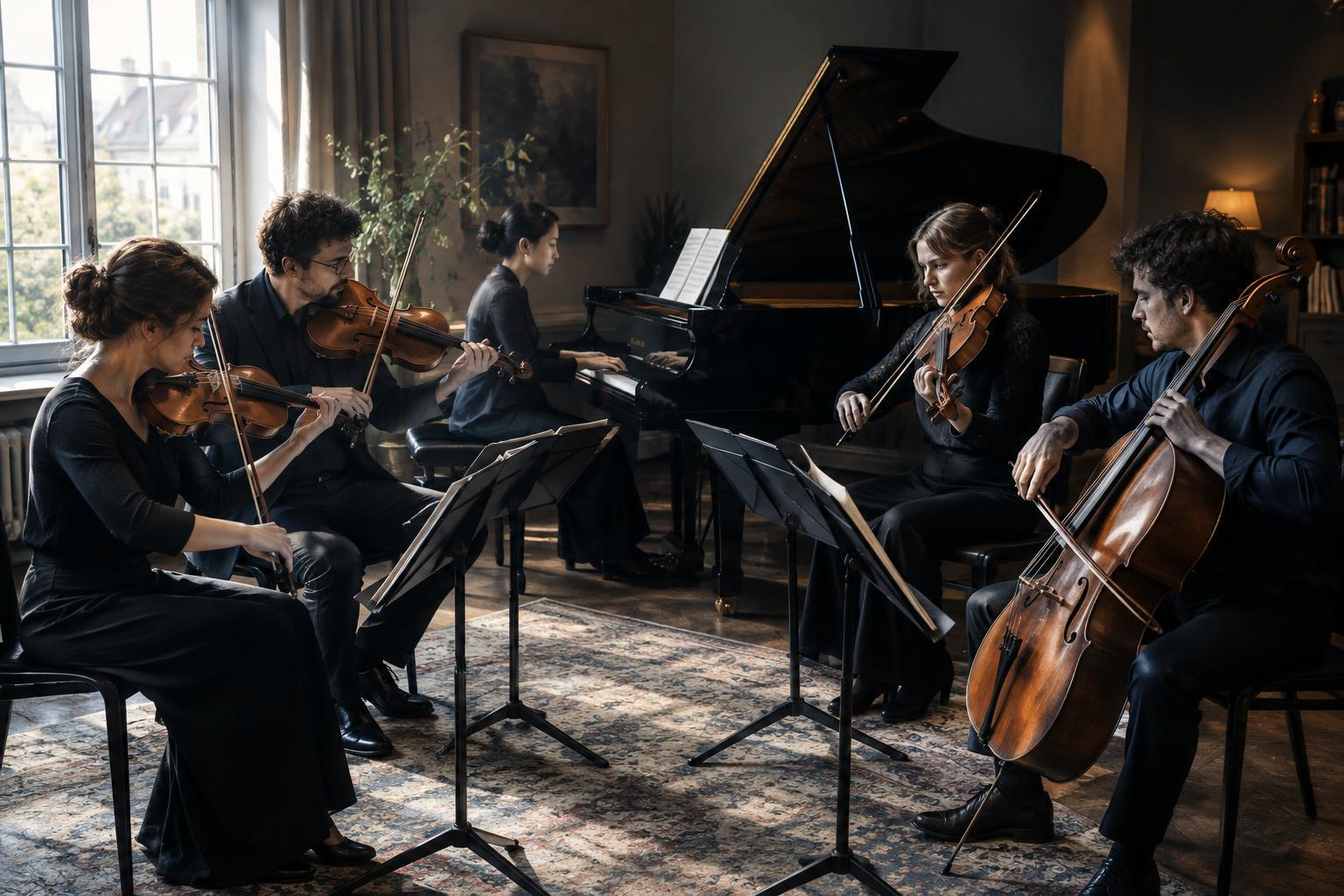
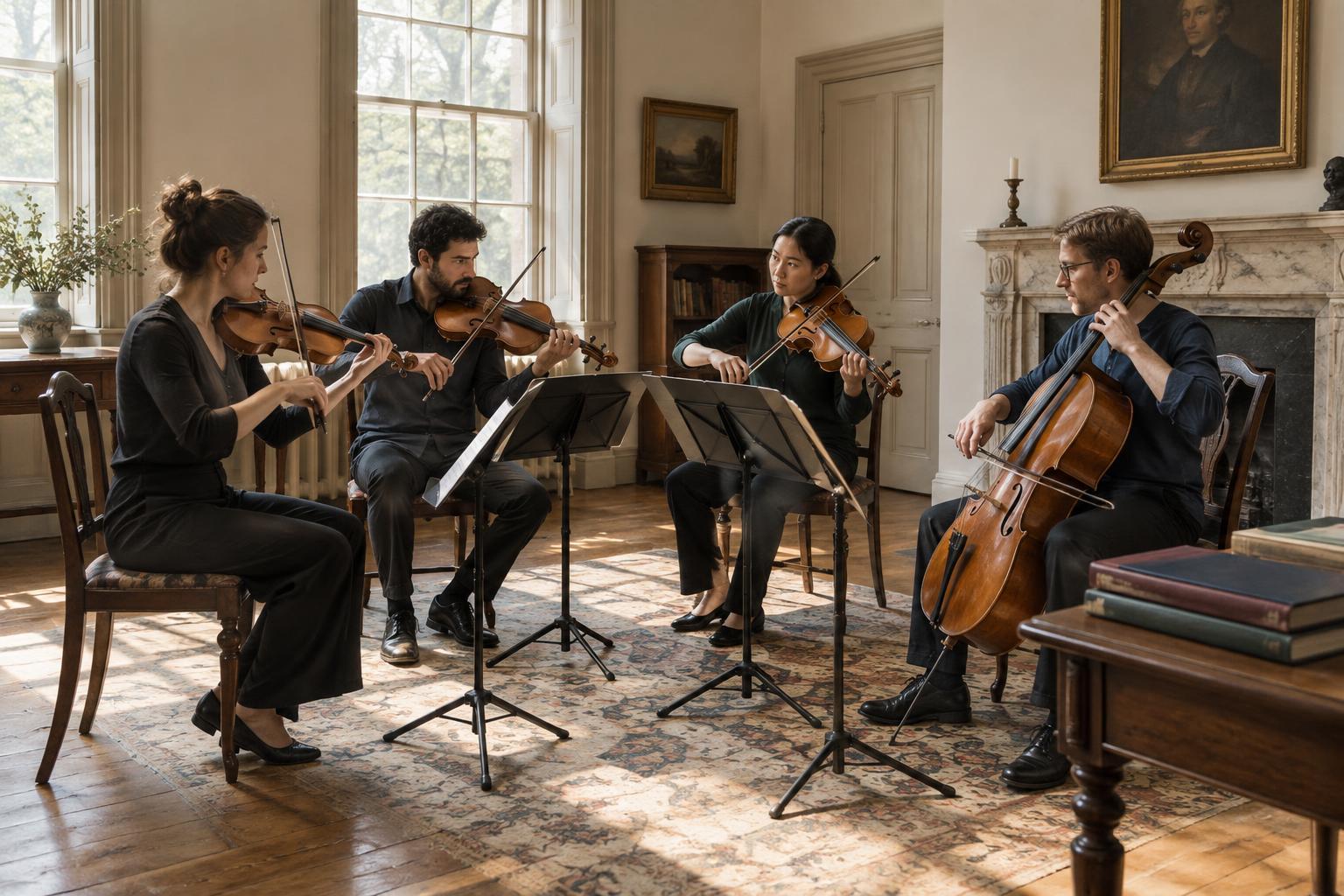
The title of a chamber work usually tells you who plays it. A string quartet has two violins, viola and cello. A piano trio generally combines piano, violin and cello, while a piano quartet adds a viola. “Quintet” only tells you there are five players, so check the instruments: a piano quintet commonly pairs piano with string quartet, but a clarinet quintet pairs clarinet with string quartet.
These combinations offer different ways into a composer’s music. Beethoven’s piano trios give the keyboard a prominent role alongside the strings; his string quartets invite you to follow exchanges among instruments of one family. Brahms’s Piano Quintet, Op. 34, offers a fuller sound, while his Clarinet Quintet, Op. 115, gives the wind instrument a distinctive voice within a string ensemble. If you have a favorite instrument, its presence can be as good a starting criterion as the composer’s name.
Build a short listening path
Rather than opening a complete list of works, pick one manageable path. From Mozart’s concertos, you might turn to his Piano Quartets or his Clarinet Quintet, K. 581. From Dvořák’s symphonies or concertos, try the String Quartet No. 12, Op. 96, or the Piano Quintet No. 2, Op. 81. These are starting points, not claims that any one piece sums up its composer’s chamber writing.
Another approach is to keep one instrument in view. If a cello part catches your ear in orchestral music, look for the composer’s cello sonatas or piano trios. If you enjoy how a composer handles winds, search for their works for clarinet, flute, oboe or horn with piano or strings. Not every composer wrote for every combination; following the available repertoire is part of the discovery.
Search for the work you actually mean
Chamber titles can be deceptively similar. “String Quartet No. 1” is incomplete without a composer’s name, and numbering may vary across catalogues. Include as much identifying information as you have: composer, ensemble, key, opus or catalogue number, and any familiar nickname. For example, “Dvořák String Quartet No. 12 Op. 96” is more precise than “Dvořák American,” a nickname you may also encounter in other contexts.
Check the instrumentation on a recording or program listing before you press play. A result may be a movement rather than the whole piece, or an arrangement for instruments other than those in the original score. Arrangements can be enjoyable, but knowing what you have found helps you make a fair comparison. If you want to hear how a composer wrote for a particular ensemble, start with a listing that names both the work and its players clearly.
Listen for conversation rather than volume
A first hearing need not involve tracking every musical detail. Notice who introduces an idea, who answers it and whether the players agree or pull in different directions. In a piano trio, does the piano lead, support the strings or trade short phrases with them? In a string quartet, listen for moments when the cello carries the melody instead of providing a bass line. Those changes in role can make a small ensemble feel remarkably varied.
It can help to hear one movement twice before trying another work. On the first pass, follow the overall mood and pace. On the second, choose one instrument and notice when your attention is drawn elsewhere. Then return to the symphony or concerto that started your search. You may hear a familiar composerly gesture more clearly, while appreciating that chamber music has its own scale, balance and pleasures.