Listen to the room before changing your playing
A chamber ensemble may sound settled in its usual rehearsal space yet feel surprisingly different in a performance room. A dry room can make every attack seem exposed, while a more resonant space may let notes linger after the players have stopped. Neither response is necessarily a problem. The first task is to notice what the room does before deciding what the group needs to change.
If you have a few minutes before rehearsing, play a short passage that includes quiet playing, a strong arrival and a complete stop. Listen for the decay after the stop: does the sound disappear quickly, or does it remain in the air? Then try a passage with quick exchanges between players. Ask each person what they can hear clearly from their seat. These simple checks give the ensemble a shared starting point without turning the first run-through into a search for faults.
Separate what players hear from what listeners hear
Sound onstage is not always a reliable guide to sound in the audience. A player close to another instrument may hear it prominently, while a listener farther away hears a different blend. Walls, floor surfaces and the spacing between chairs can also change what reaches each position. If someone can listen from the seating area during a brief test, ask for specific observations: which line is hard to follow, and where? Avoid asking only whether the ensemble sounds “balanced,” since that can lead to vague and conflicting answers.
When no outside listener is available, resist making large changes based on one player’s seat. Instead, identify places where an important musical line repeatedly disappears or an ending becomes unclear. Try a modest adjustment, then play the same passage again. The goal is not to make every instrument equally prominent at every moment; chamber music often depends on a changing relationship between foreground and background.
Adjust one feature at a time
An unfamiliar acoustic can tempt players to change tempo, dynamics, articulation and seating all at once. That makes it difficult to know which adjustment helped. Start with the smallest useful experiment. In a resonant room, for example, the ensemble might try a cleaner release at the end of a quick figure. In a dry room, it might allow the end of a phrase a little more space before beginning the next one. Keep the musical intention intact while testing whether listeners can perceive it.
Clear beginnings and endings often matter more than simply playing louder. If a quick passage sounds blurred, consider whether notes are overlapping longer than intended or whether players are releasing at different times. If a quiet passage feels thin, listen for the continuity of the phrase before increasing volume. Play each trial from a little before the troublesome spot; an adjustment that works in isolation still needs to make sense in context.
Use placement carefully
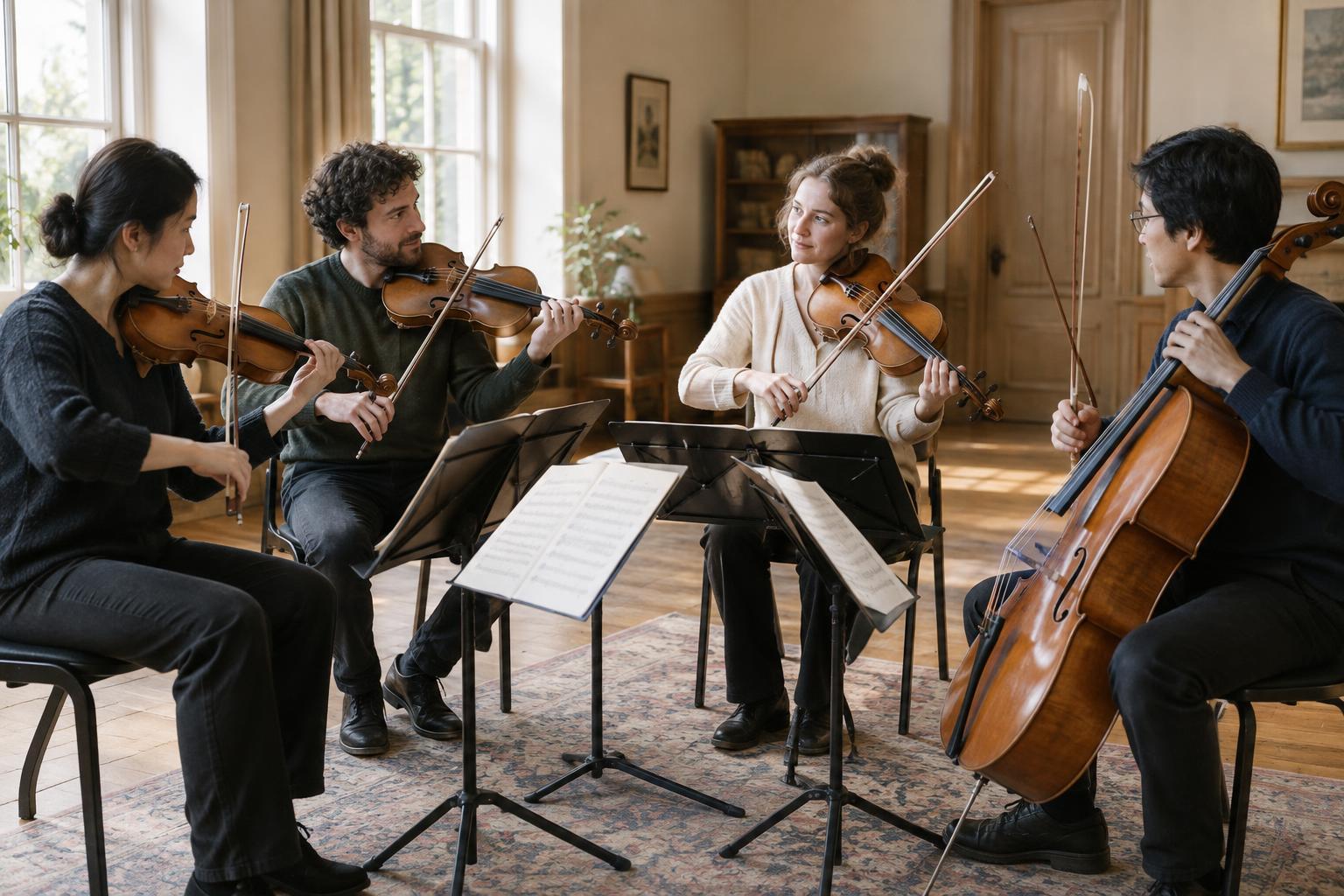
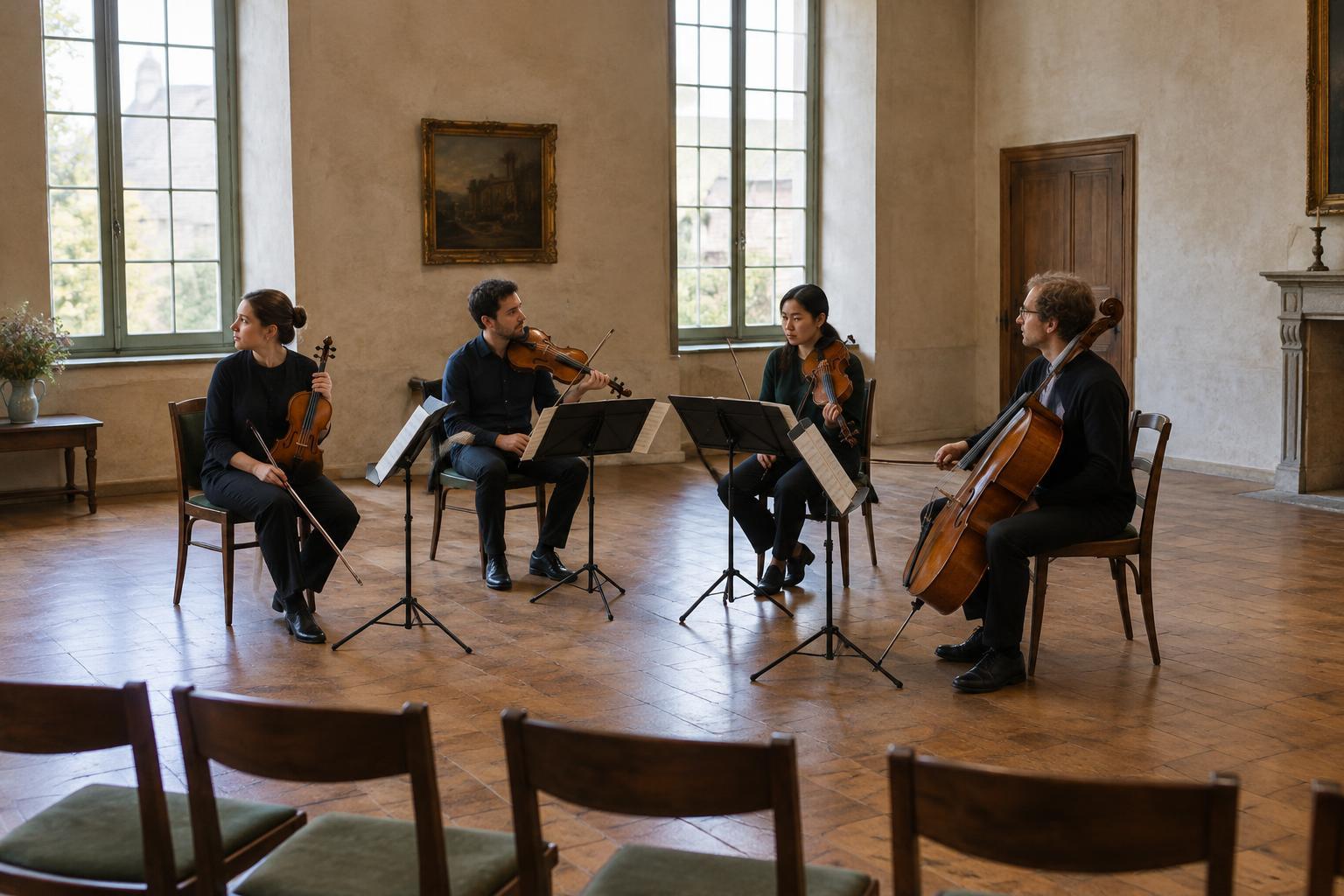
A small change in chair position can make it easier to exchange cues or hear an inner part. Before moving furniture, check practical limits: sightlines, music stands, instrument space and any requirements of the venue. If a new layout is possible, change one position and test a short passage. A setup that improves one player’s hearing but blocks another player’s view may not be worth keeping.
Players should also be cautious about judging a layout solely by how comfortable it feels. Familiar seating may feel reassuring even when another arrangement communicates better across the room. Conversely, a configuration that seems promising in a sound check may be distracting during a full movement. Choose a setup the ensemble can use confidently rather than chasing a perfect acoustic position.
Leave room for the performance
A sound check is most useful when it produces a few clear decisions. Agree on any important changes to releases, spacing or placement, then play a longer stretch without stopping. This helps the group discover whether the adjustments remain natural when attention returns to the music. If a change requires constant conscious effort, simplify it.
The room may respond differently once listeners are present, so treat rehearsal conclusions as practical guides rather than fixed rules. During the performance, rely on the ensemble habits you have built: listen across the group, watch for shared moments and respond to what you actually hear. Adapting to a space does not mean redesigning the piece. It means giving its phrases and conversations a fair chance to be heard there.