Treat nerves as an ensemble issue
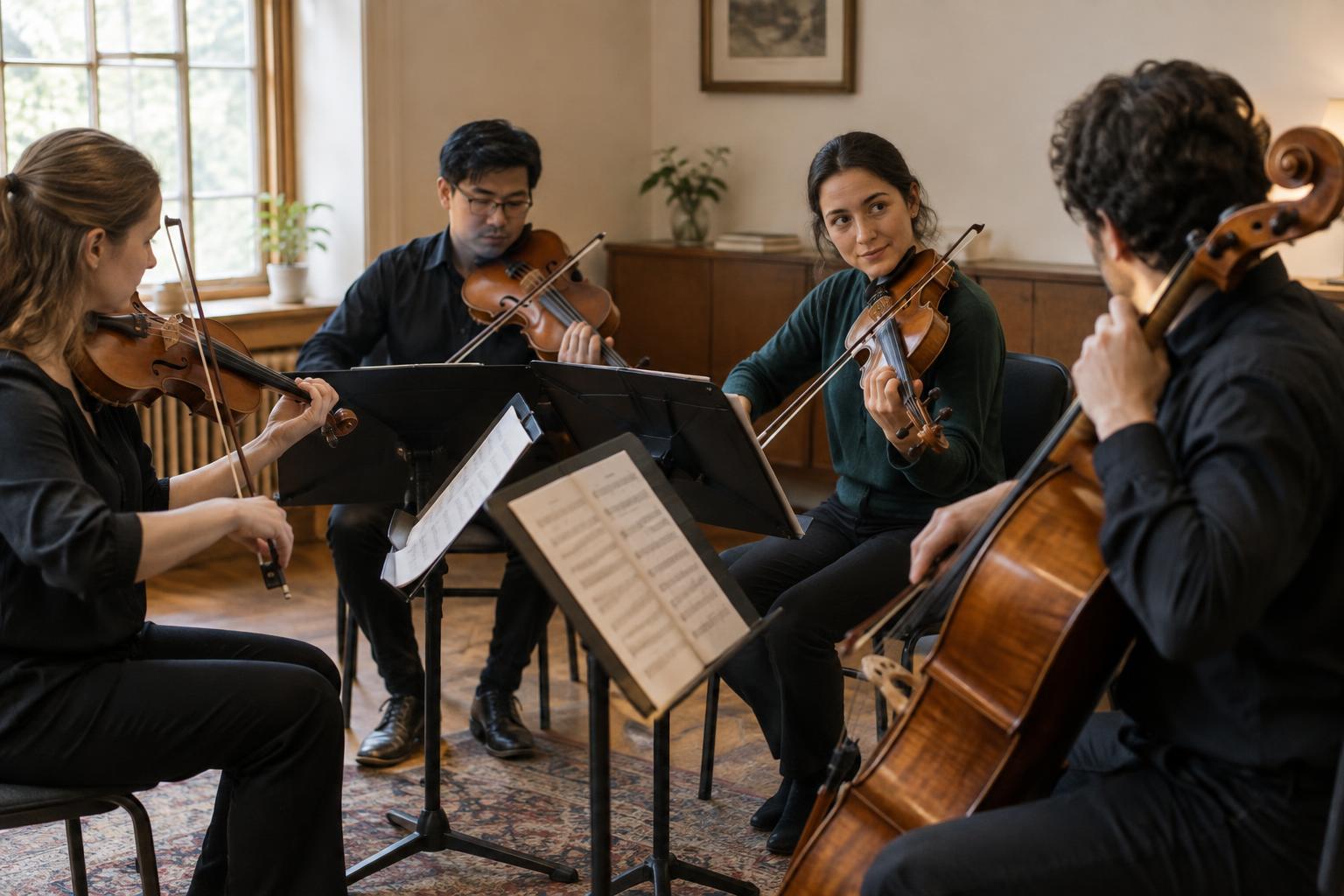
A chamber performance asks musicians to do two things at once: play their own parts and respond to everyone else. When nerves narrow a player’s attention, that exchange can become harder. An entrance may feel less certain, or a tempo that seemed settled in rehearsal may suddenly seem unfamiliar. These reactions do not mean the group is unprepared. They mean the ensemble needs ways to stay connected when the room, audience, and stakes feel different.
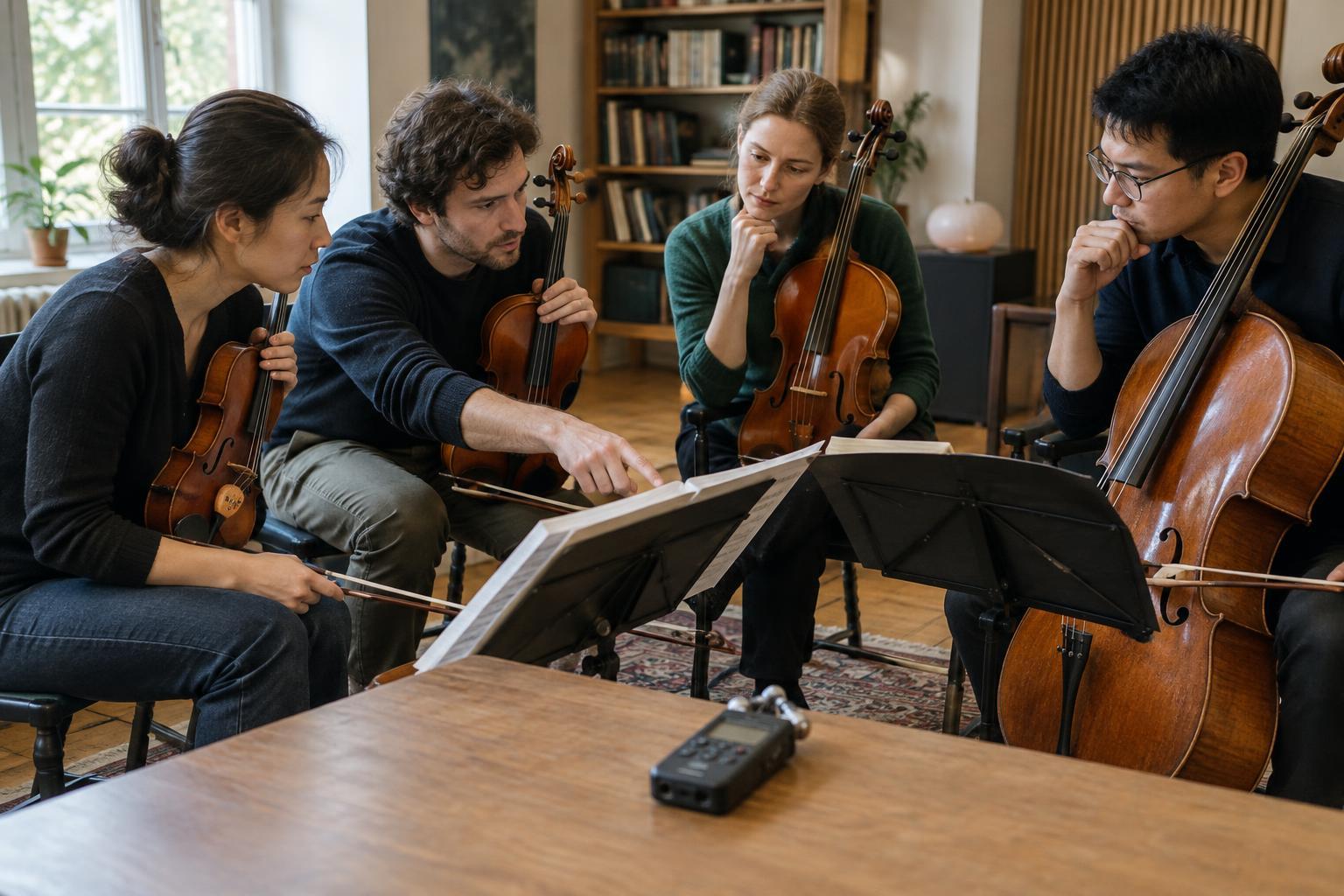
Start by making nerves discussable without asking anyone to disclose more than they want to. Before a concert, each player can name one practical thing that helps them play well: a clear preparatory breath, an agreed tempo cue, or a moment of quiet before walking onstage. The goal is not to make everyone feel the same. It is to replace guesswork with a few shared expectations.
Rehearse the moments that feel exposed
Ensembles often spend rehearsal time polishing difficult passages, then leave the beginning, endings, and transitions comparatively untested. Yet these are the moments when players must agree without speaking. Decide who gives the first cue, what that cue looks like, and how much time the group will take after tuning or settling into position. Practice the opening from a standing start rather than always approaching it from a warm-up passage.
Do the same for movement changes, page turns, instrument adjustments, and places where one player hands a phrase to another. A cue need not be theatrical; a visible breath or small motion may be enough if everyone knows what it means. Try a few run-throughs without stopping for corrections. This lets the group discover whether its agreements still work after a minor mistake, when there is no chance to reset the passage.
Build a short pre-performance routine
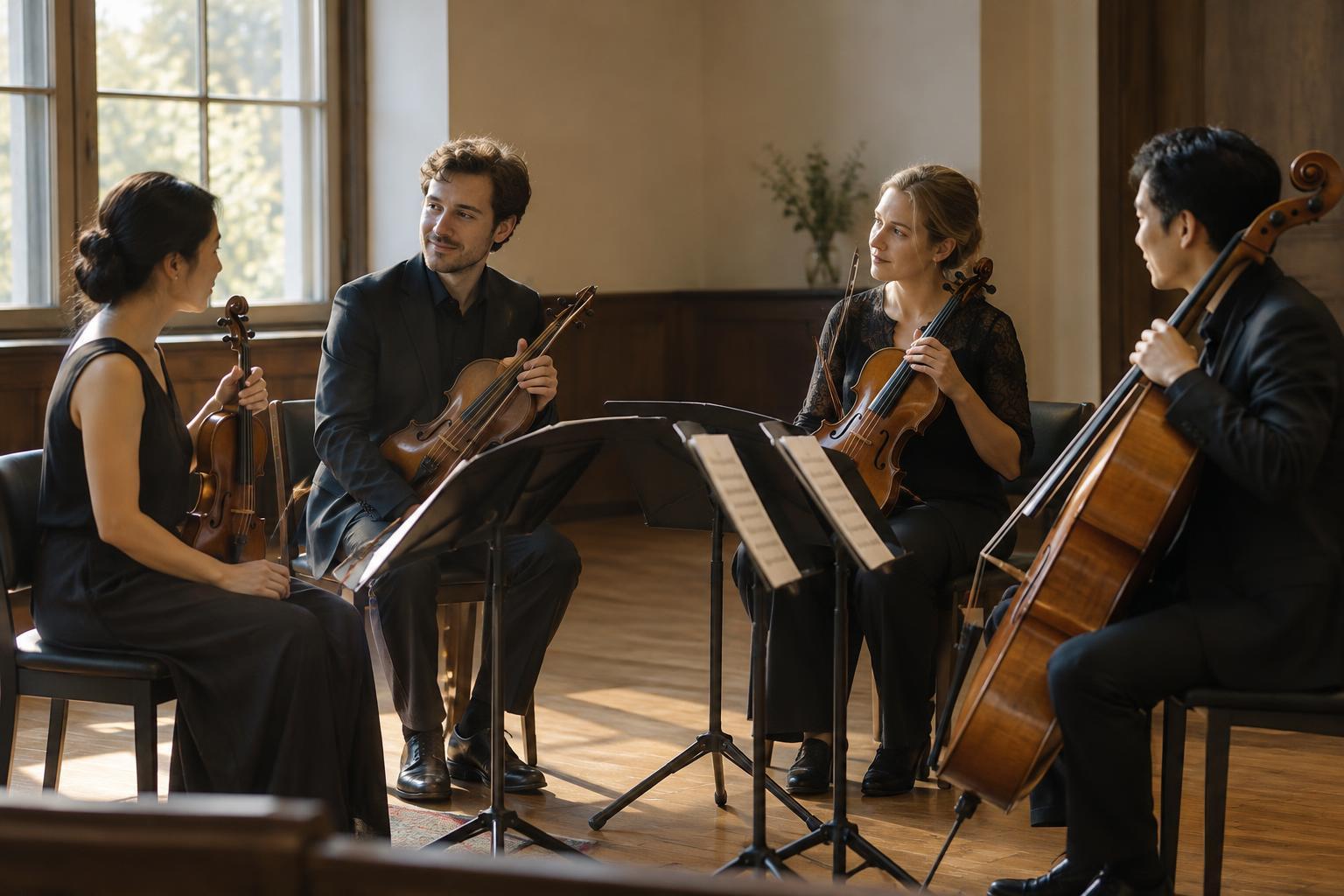
A useful routine is simple enough to repeat in an unfamiliar venue. Allow time to check chairs, stands, lighting, and any practical needs of the instruments. Agree on where to meet before going onstage and who will lead the walk in. If a player wants a quiet minute while another prefers to talk, both needs can fit into the plan. Last-minute debate about interpretation is less helpful than confirming the cues the group has already rehearsed.
Just before playing, bring attention to something observable: the contact of feet with the floor, a comfortable breath, or a colleague’s preparatory gesture. These are not promises that nerves will disappear. They are ways to give attention a useful job. Some ensembles also benefit from choosing one musical priority for the performance, such as listening through phrase endings or allowing a melody room to breathe. Keep it specific enough to guide decisions, not so broad that it becomes another demand.
Make recovery part of the plan
Small slips can feel much larger to the person who makes them than they do to the rest of the group. In rehearsal, decide what takes priority if someone misses an entrance or loses their place. Often the most helpful response is to maintain the pulse, keep listening, and offer the next clear cue. If the music has a flexible passage, agree who can guide the group toward the next shared point. Avoid trying to correct a colleague through exaggerated gestures that may create more uncertainty.
Practice recovery deliberately. Start a familiar section with one player entering late, or continue after a wrong note instead of stopping. The exercise is not about tolerating careless playing; it is about learning how the ensemble sounds and feels when it regains coordination. Onstage, a missed detail need not define the next phrase. Looking up, hearing the bass line or lead voice, and rejoining at an agreed landmark can help restore the conversation.
Review the performance without putting anyone on trial
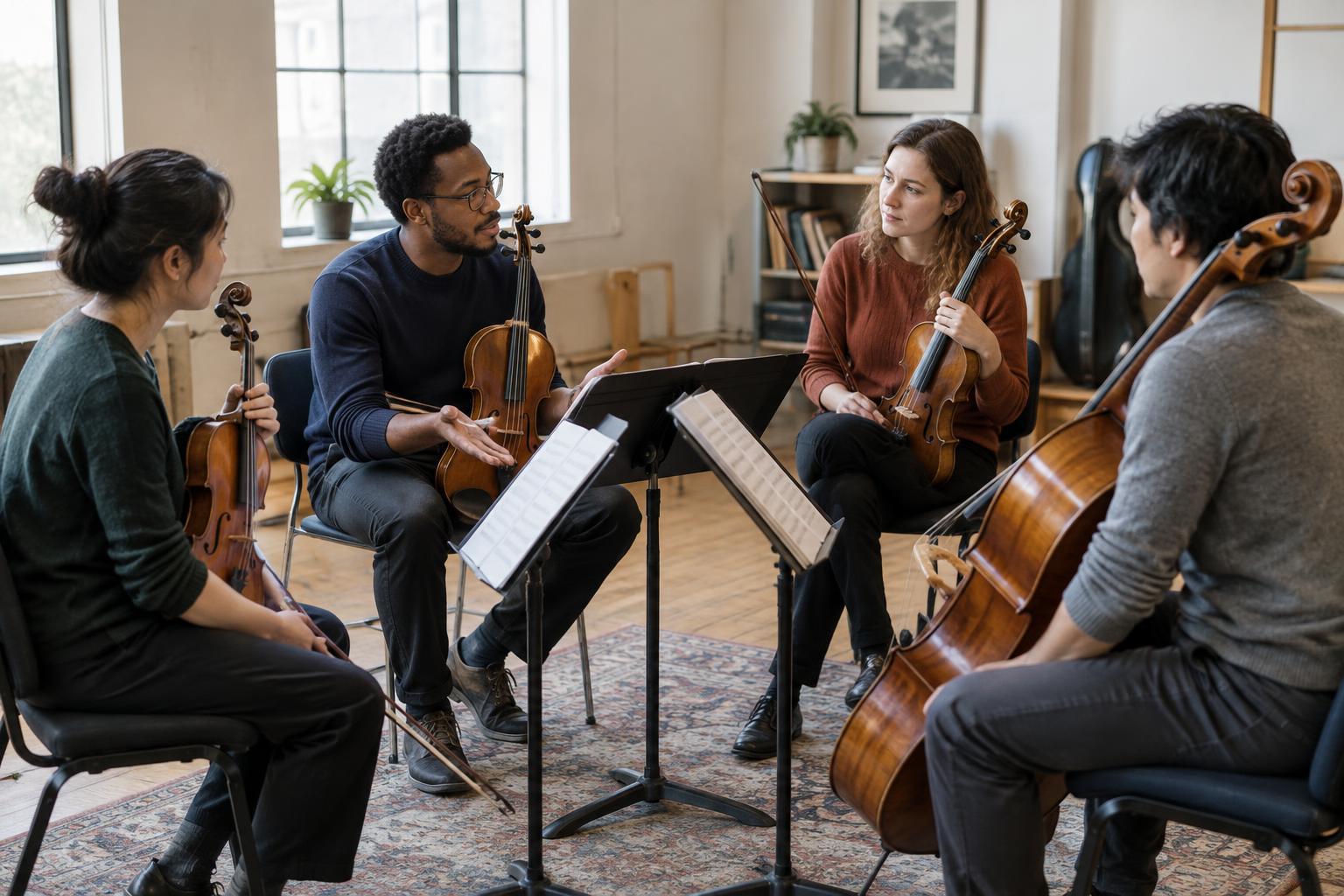
Right after a concert, impressions can be intense and uneven. One player may remember an awkward entrance while another remembers a passage that felt unusually alive. Give everyone a chance to settle before holding a detailed discussion. When the group does talk, begin with observations: which cues were easy to read, where the balance supported the music, and where coordination became uncertain. This is more useful than deciding whether the performance was simply good or bad.
Choose one or two changes for the next rehearsal rather than compiling a list of every imperfection. A clearer opening cue or another run-through of a transition is something the ensemble can act on. Performance nerves may return at the next concert, but a group that prepares, listens, recovers, and reflects together has reliable work to return to. Confidence can grow from that shared practice, even when no one feels completely calm.