Start with the concert, not the price
Chamber music is often performed in smaller spaces, but its ticket prices can still vary considerably. A string quartet in a community hall, an afternoon recital at a museum and an ensemble in a major concert venue may each use a different pricing model. The performers, venue, seating layout and type of event can all affect what is offered. Rather than assuming one ticket is better value because it costs more, begin with the practical question: is this a concert you would enjoy attending?
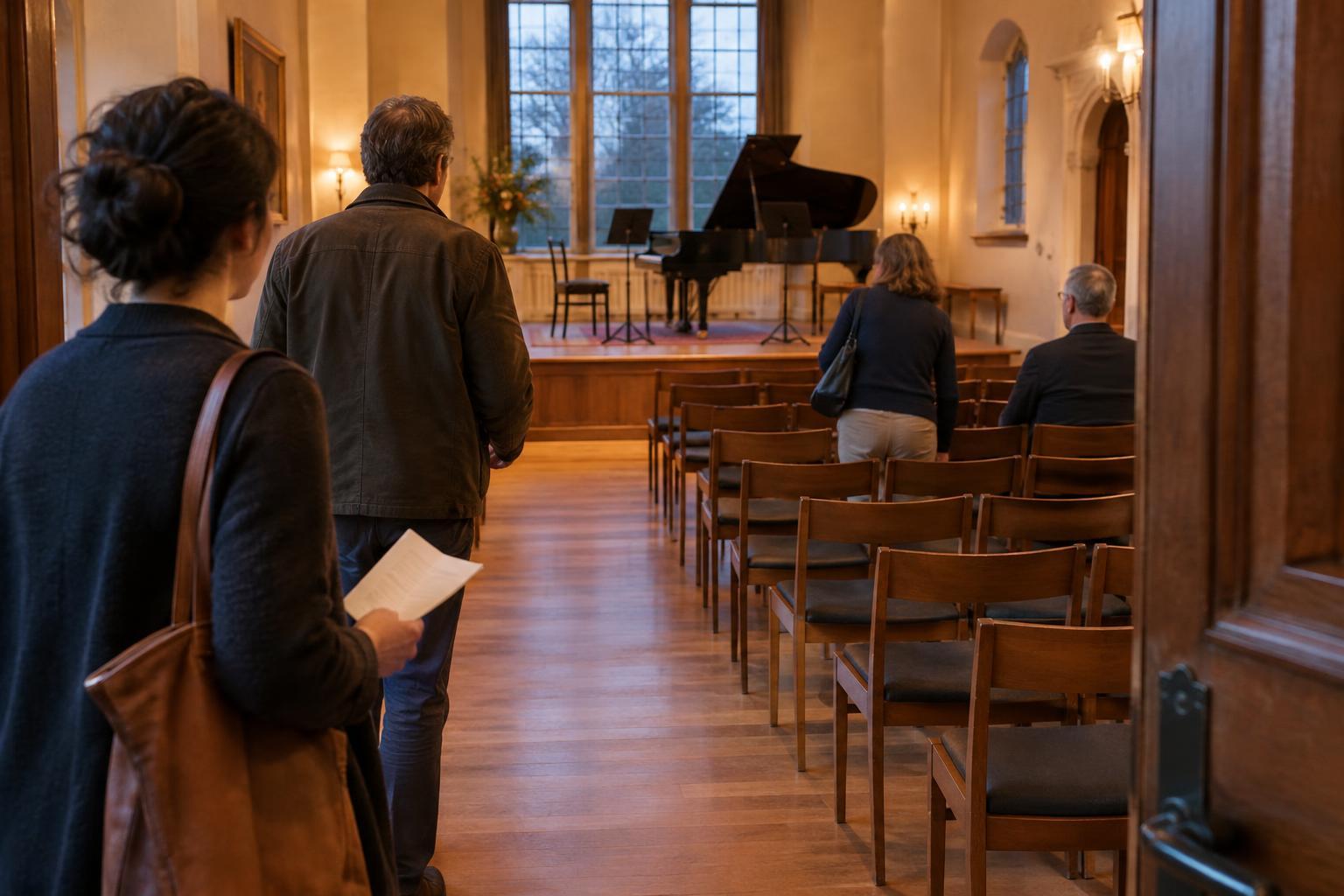
Read the event description before choosing a seat. Check the programme, performers, start time, estimated duration if provided and venue location. Some events include an introduction or discussion; others are simply the performance. These details help you decide whether the ticket fits your interests and your evening, especially if you are trying chamber music for the first time.
Compare the full price at checkout
The advertised ticket price may not be the amount you ultimately pay. Depending on the seller, the checkout can add a booking, service or processing fee. Delivery may also cost extra if physical tickets are offered. Before confirming an order, look for the total for all tickets, including any charges, rather than comparing face values alone.
A fee is not necessarily a warning sign, but it should be clear enough for you to make an informed choice. If the venue and an authorized ticketing partner both sell the same event, compare their final prices and delivery options. Be cautious with resale listings: they may have different prices and terms from the original seller. When possible, reach the event through the venue or organizer’s own site so you can identify an authorized sales route.
If you are buying for a group, check the total rather than multiplying the first price you see. Per-ticket fees can add up, while some sellers apply charges to the order as a whole. A moment spent reviewing the checkout summary can prevent an unwelcome surprise.
Look for discounts that genuinely apply
Venues and organizers may offer reduced prices for students, younger listeners, seniors, local residents or other eligible groups. Some also offer subscriptions, multi-concert packages or limited-price seats. Availability and eligibility vary, so read the conditions instead of assuming that a familiar discount category will apply everywhere.
A discount may require proof of eligibility at purchase, collection or entry. It may apply only to certain seats or performances, and it may not combine with another offer. If you are unsure, ask the box office before buying. That is especially useful when purchasing several tickets for people with different eligibility.
The lowest ticket price is not always the best choice for your plans. A package is useful only if you expect to attend its concerts, and a restricted ticket may be inconvenient if your schedule is uncertain. Compare the amount you will pay with the flexibility you need, including any rules about exchanges.
Choose a seat for the experience you want
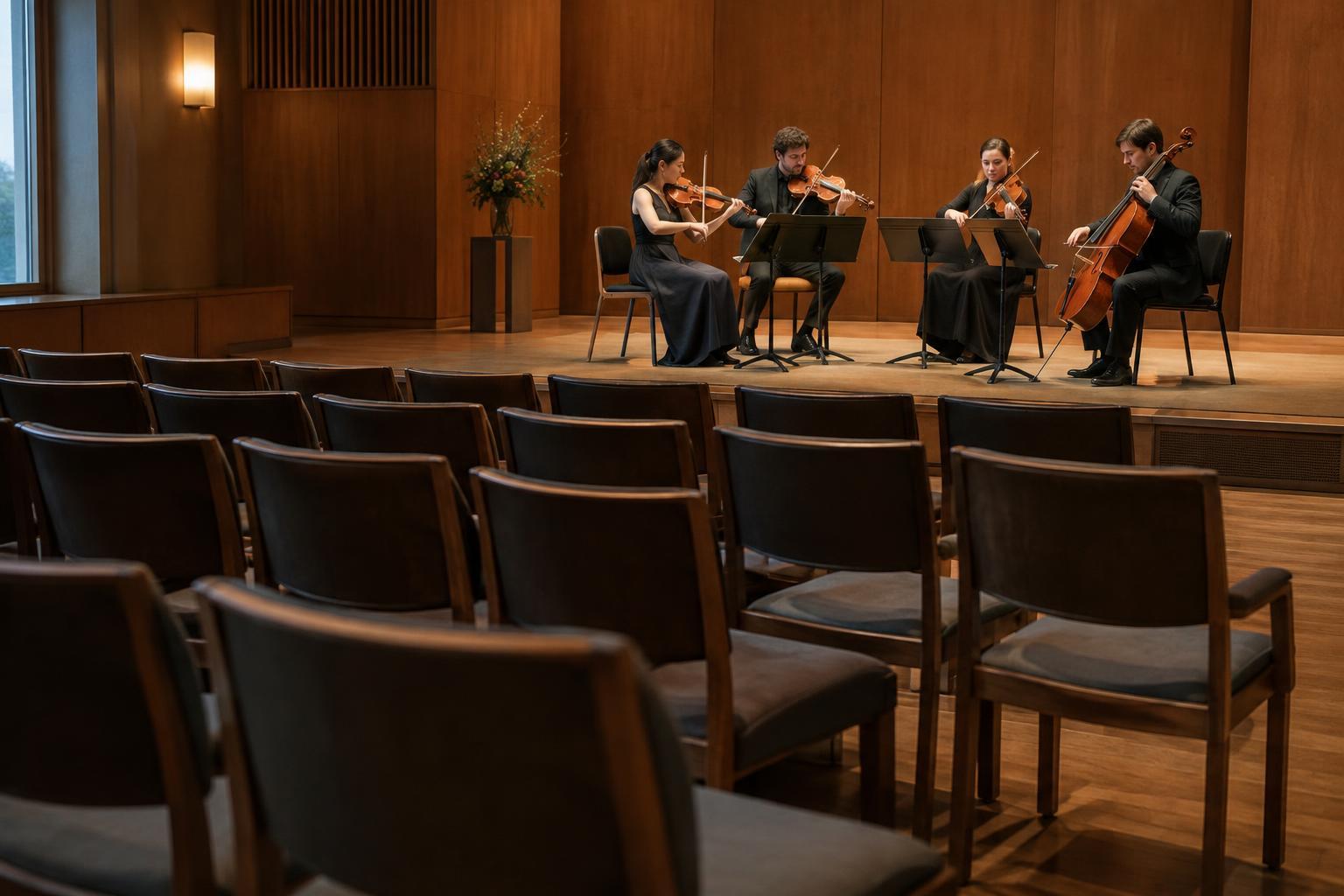
In chamber music, listeners often appreciate being able to see how players communicate: a glance, a breath or a shared gesture can make the performance easier to follow. A closer seat may offer a clearer view, while another part of the room may suit someone who prefers a broader sense of the ensemble. Neither preference is universally right, and room layouts differ.
If a seating plan is available, check for notes about limited views, steps or unusual positions. General admission means you may choose from available seats on arrival rather than reserve a particular one. If you have access requirements or want to sit with companions, contact the venue or review its booking guidance before paying. Do not assume that two separately purchased general-admission tickets guarantee adjacent seats.
Check the terms and keep your confirmation
Before completing a purchase, find the policies for refunds, exchanges and cancellations. Concert tickets can have different terms from ordinary retail purchases, and a change in your own plans may be treated differently from an event cancellation. Check whether the name on the booking matters, whether tickets can be transferred and how you will receive them.
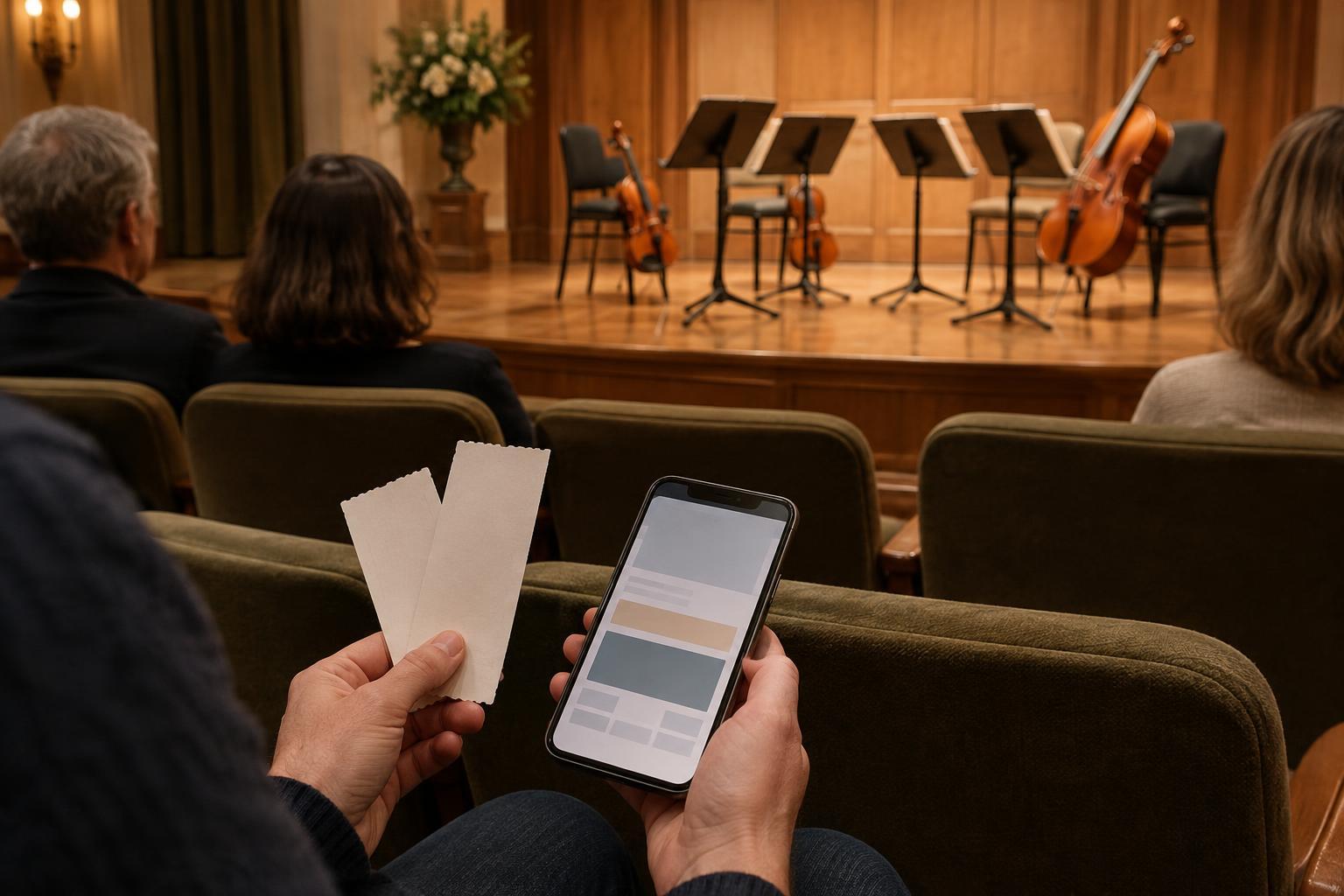
After buying, save the confirmation and note any instructions about mobile tickets, collection or entry. If a message does not arrive, check the email address used for the order and the seller’s stated support route before purchasing again. For a first chamber concert, the aim is simple: choose an event that interests you, understand the complete cost and arrive knowing how your ticket works. Then you can give your attention to the music.