Two settings, no single rulebook
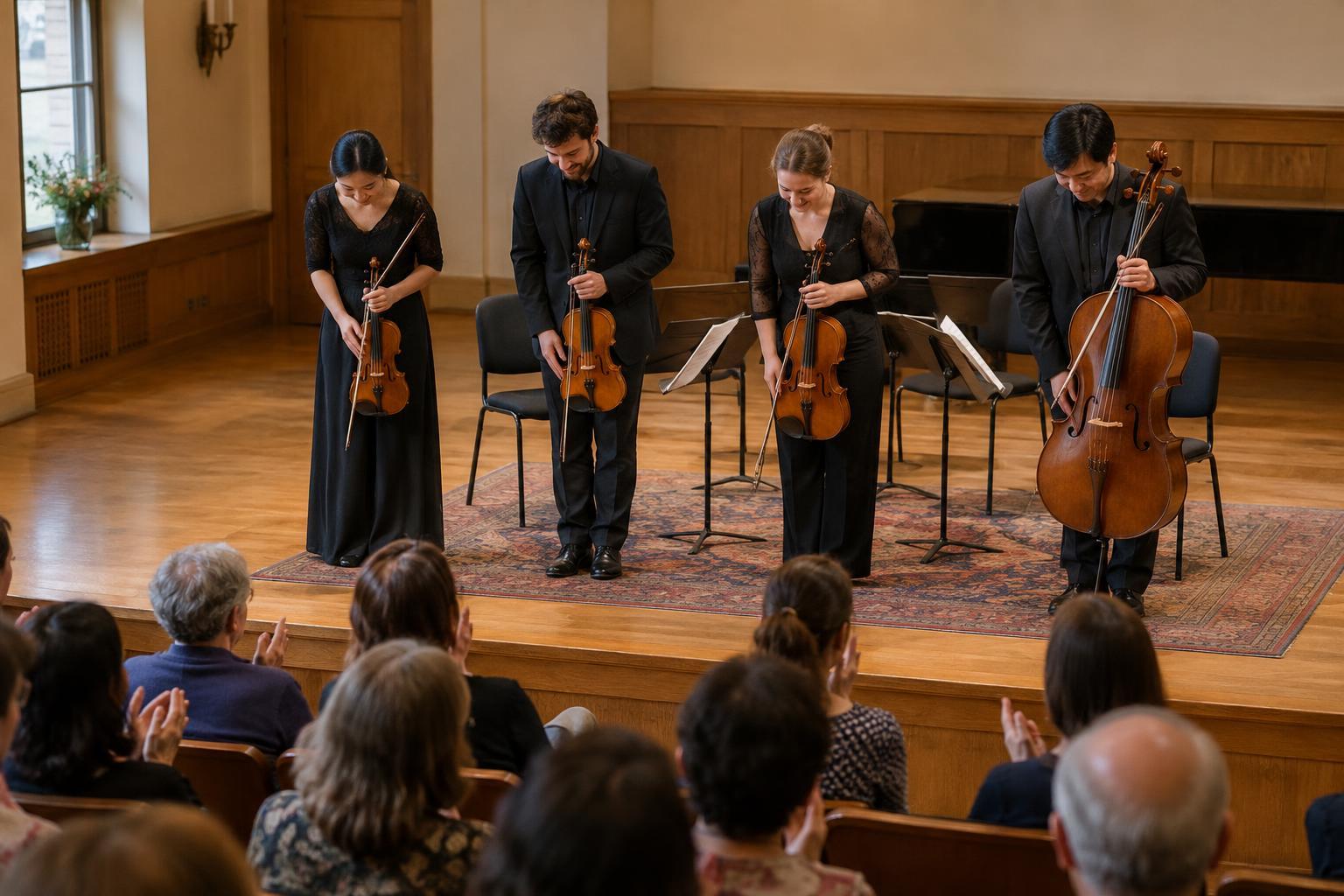
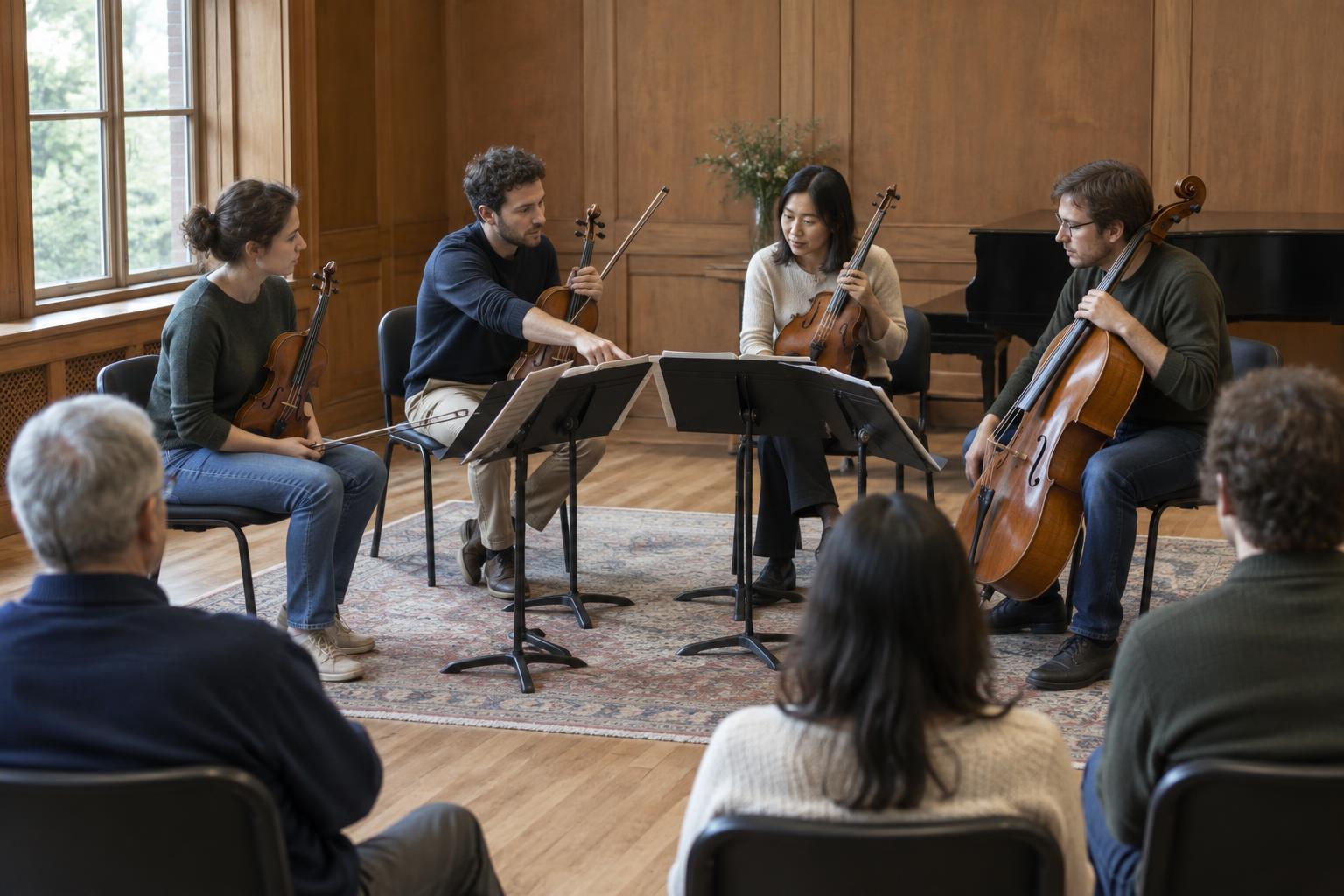
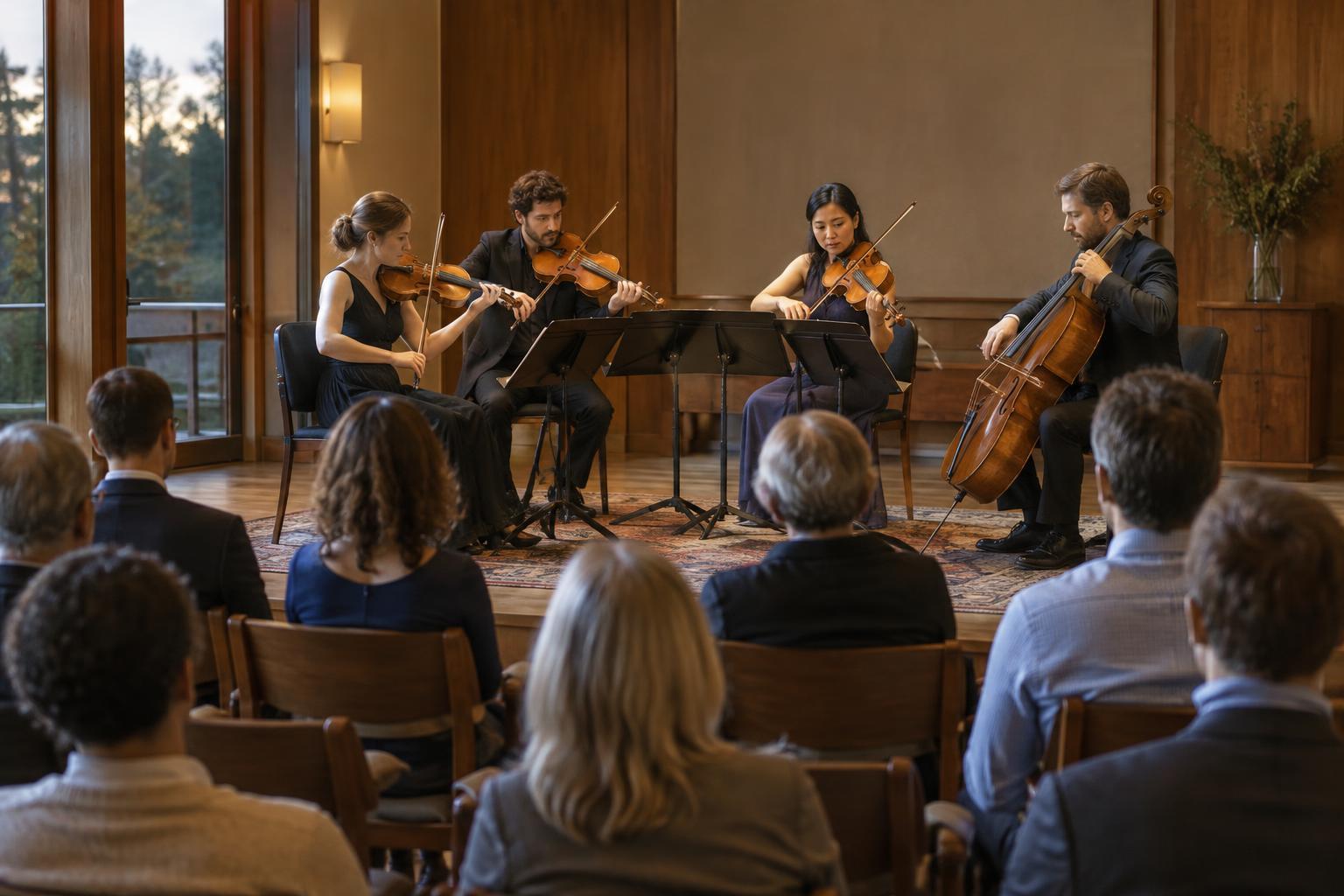
A formal recital often centers on a prepared program presented in a concert hall or another space arranged for attentive listening. Performers may enter to applause, play a sequence of works, and leave the stage between portions of the program. An informal chamber concert might take place in a small room, community venue or relaxed performance space, with musicians introducing pieces or speaking directly with listeners. Both settings can offer serious, absorbing music; the difference is usually in how the event invites people to take part.
Neither label guarantees a particular set of rules. A recital in a small hall can feel intimate, while a chamber concert in a grand venue can feel ceremonial. If an event description gives guidance about seating, refreshments or audience participation, use that as your starting point. Otherwise, arrive with enough time to settle in, pay attention to any welcome from the performers or host, and let the room’s habits guide you.
Applause and the spaces between pieces
At many formal recitals, listeners applaud when performers enter and at the end of a complete work. If a sonata or quartet has several movements, the pauses between them are often treated as part of the musical experience rather than an invitation to clap. Those pauses give performers and listeners a moment to carry the sound of one movement into the next. Printed programs can help, but you do not need to track every movement: when uncertain, waiting a moment and following the rest of the audience is perfectly reasonable.
Informal concerts may welcome applause more freely, particularly after a short piece, an improvisation or a spoken introduction. Musicians may even invite a response. A few people clapping at an unexpected moment is not a disaster; it is simply one way audiences show appreciation. If you are new to the repertoire, listen for a clear sense of arrival in the music, then take your cue from the performers as well as the people around you.
Conversation, questions and quiet attention
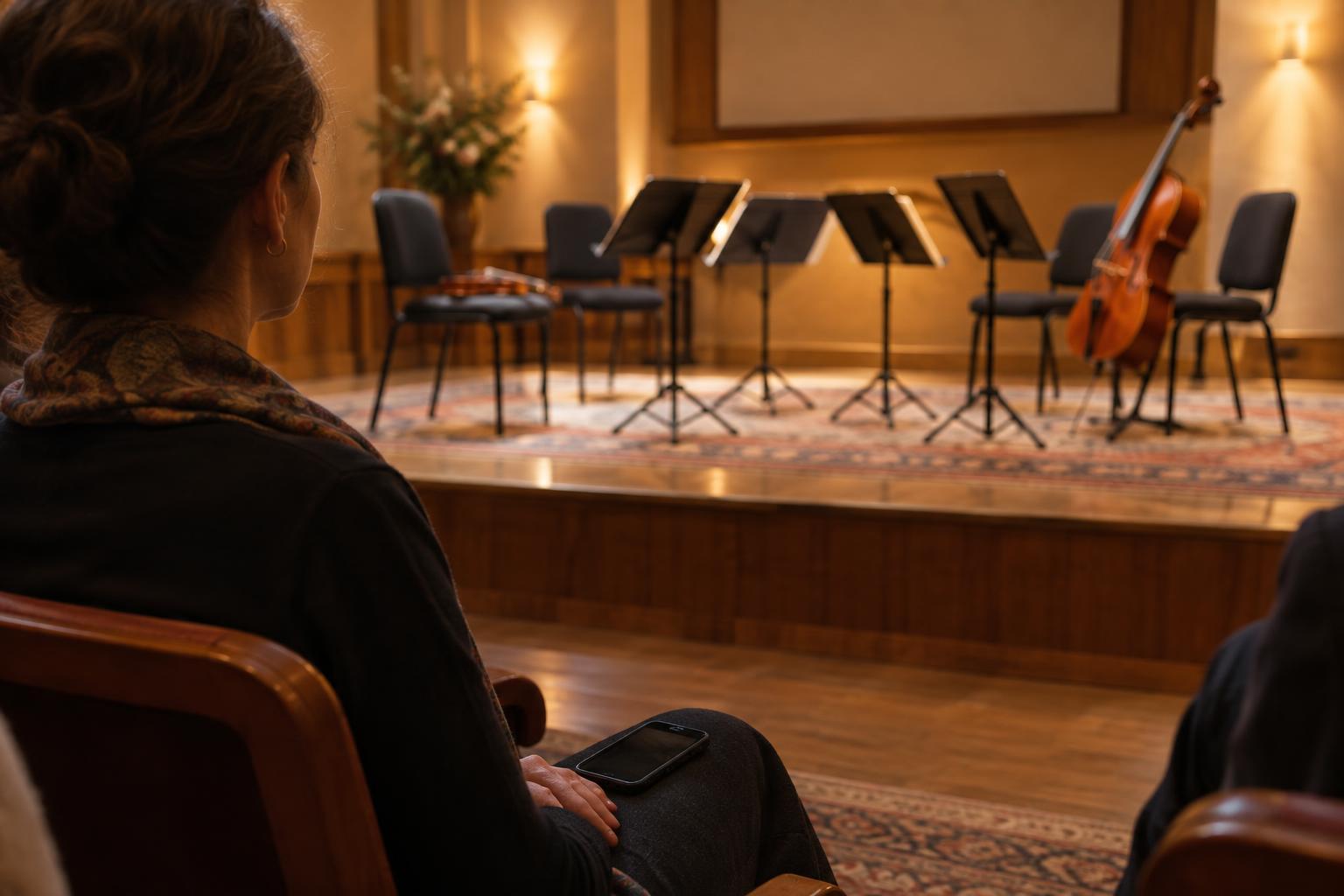
A formal recital generally keeps conversation outside the music. Audience members may chat before the performance and during an interval, but whispering while someone plays can be surprisingly audible, especially in a quiet passage. Small sounds travel in intimate spaces too. Silencing a phone, putting away bright screens and opening a noisy wrapper before the music starts are useful habits at either kind of event.
An informal chamber concert may include introductions, brief demonstrations or a question-and-answer period. These moments can make unfamiliar music easier to enter: a performer might describe a change in mood or show how two instruments trade a melody. That openness does not necessarily mean conversation is welcome throughout a piece. If you have a question, wait for an invitation or for a break. Listening closely while the musicians play is itself a form of participation.
Dress, seating and arriving late
Dress expectations are usually less strict than newcomers imagine. A formal recital may prompt some people to dress up, but comfortable, tidy clothing is generally a sensible choice unless the venue specifies otherwise. Informal chamber concerts often have a wider range of styles. In both cases, comfort matters: clothes that let you sit easily and quietly can help you focus on the performance.
Seating arrangements vary more than the music does. A formal recital may have assigned seats and a clear stage-to-audience boundary; an informal event may offer unassigned chairs close to the players. Check your ticket or event information rather than assuming. If you arrive after the music begins, follow the venue staff’s direction or wait for a pause before entering. Moving through a small room during a delicate passage can distract performers and listeners alike.
Choose the experience that helps you listen
A formal recital can be rewarding when you want an uninterrupted arc of music and time to notice how a work unfolds. An informal concert may suit you if spoken context, a close view of the players or a chance to ask questions helps you connect with what you hear. Neither is a test of how much you know about classical music. You can appreciate a phrase, a rhythm or a moment of silence without being able to name its technique.
The most reliable custom in either setting is considerate attention. Read any event guidance, make room for others to listen and respond naturally when the occasion invites it. If you are unsure whether to clap, speak or move, a brief pause will usually answer the question. Chamber music is built on players listening to one another; audiences can bring that same curiosity and care into the room.