Start with one work and a manageable passage
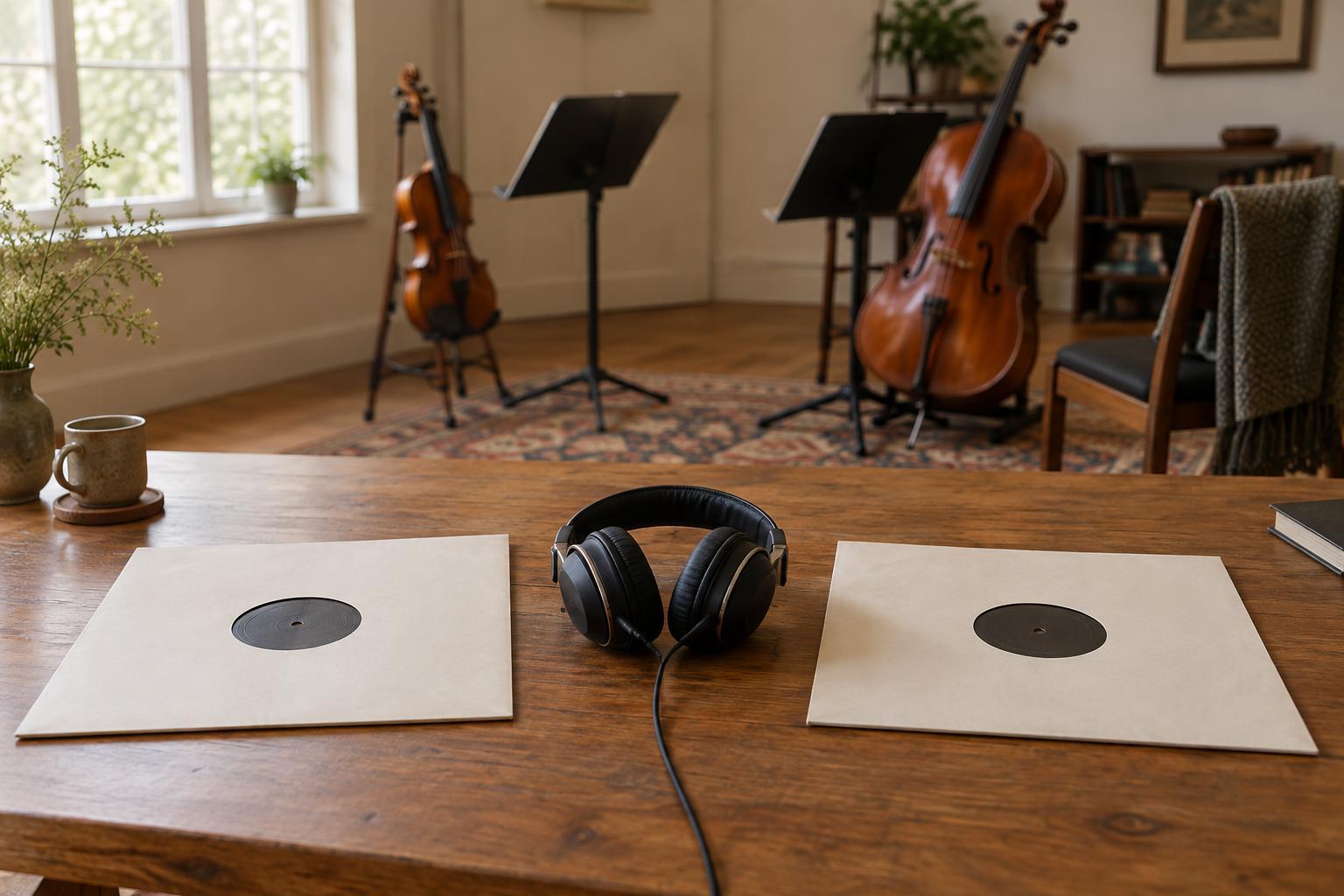
Comparing recordings is easiest when you resist the urge to judge an entire performance at once. Choose two recordings of the same chamber work, then begin with one movement or a short passage you can find in both. An opening theme, a transition into a contrasting section, or the return of a familiar melody gives you something specific to follow. If the recordings divide tracks differently, locate the passage by listening rather than relying only on the track display.
Listen to the passage in each recording without taking notes. On the second pass, jot down a few impressions: Does the music seem spacious or urgent? Which instrument draws your attention? Where do the players seem to pause or press forward? These are observations, not verdicts. A useful comparison asks what each performance makes audible and how the players achieve that effect.
Hear tempo as more than speed
Tempo is often the first difference you notice, but it is not simply a question of which recording finishes sooner. One ensemble might maintain a steady pulse while another allows a little flexibility at the end of a phrase. A faster passage may feel light and conversational if the notes have room to speak; a slower one may feel tense if the players keep the musical line moving.
Try tapping a quiet pulse during the same passage in both recordings. Notice whether the beat feels easy to follow and where, if anywhere, your tapping needs to adjust. Then listen without tapping. Do changes of pace help mark a new idea, give weight to a cadence, or prepare an entrance? You need not decide which tempo is correct. Ask whether each choice supports the character you hear in the music.
Playback equipment and room conditions can affect your impression of energy, so keep the comparison as consistent as you can. Use the same headphones or speakers and a comfortable, similar volume. This will not make the recordings identical, but it gives the performers’ choices a fairer hearing.
Follow the shape of a phrase
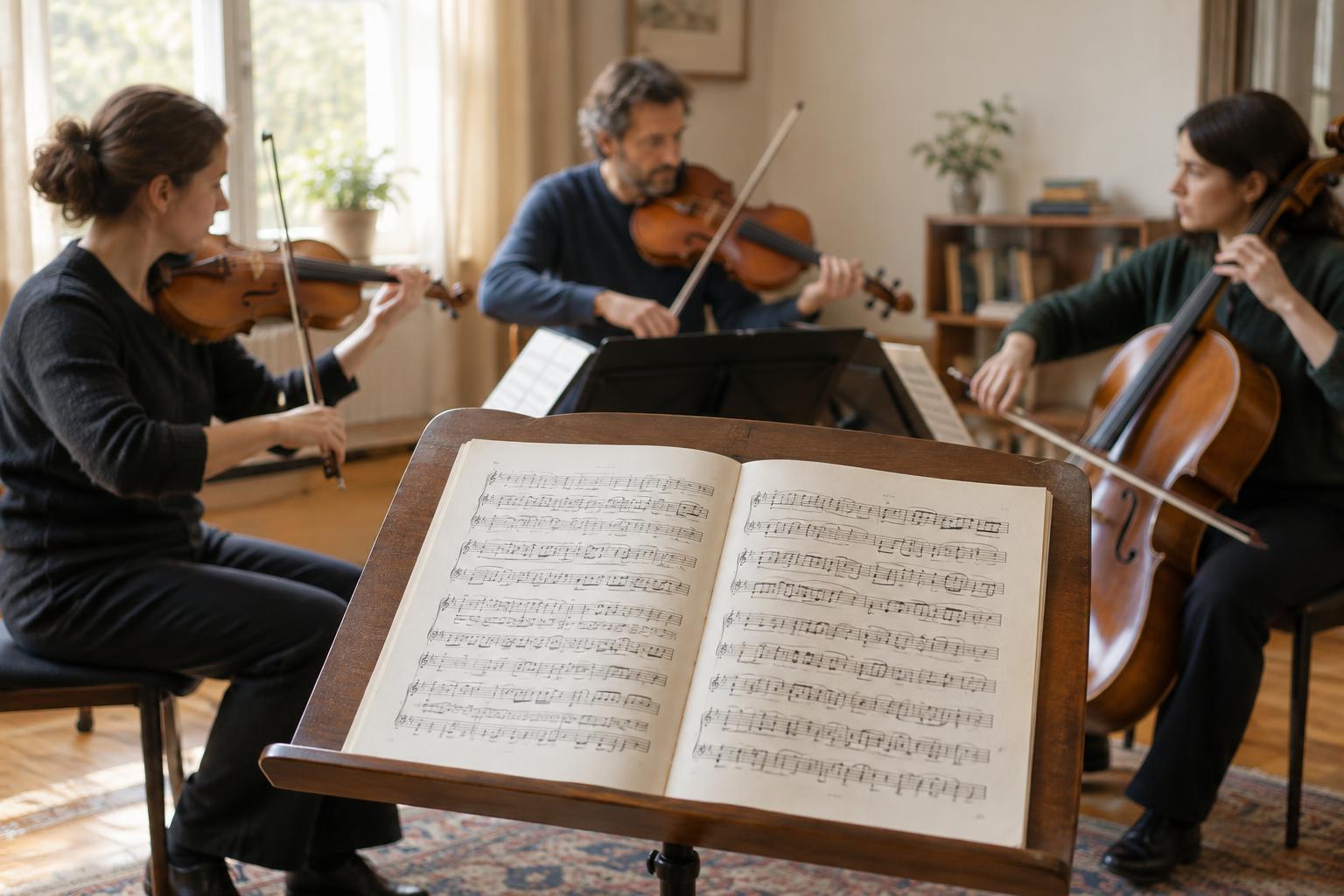
Phrasing is the way players connect notes into musical thoughts. Listen for where a melody seems to begin, gather energy and come to rest. In one recording, a violinist may lean into a high note before easing away; in another, the same line may unfold with less emphasis. Neither approach needs to be dramatic to change how the phrase feels.
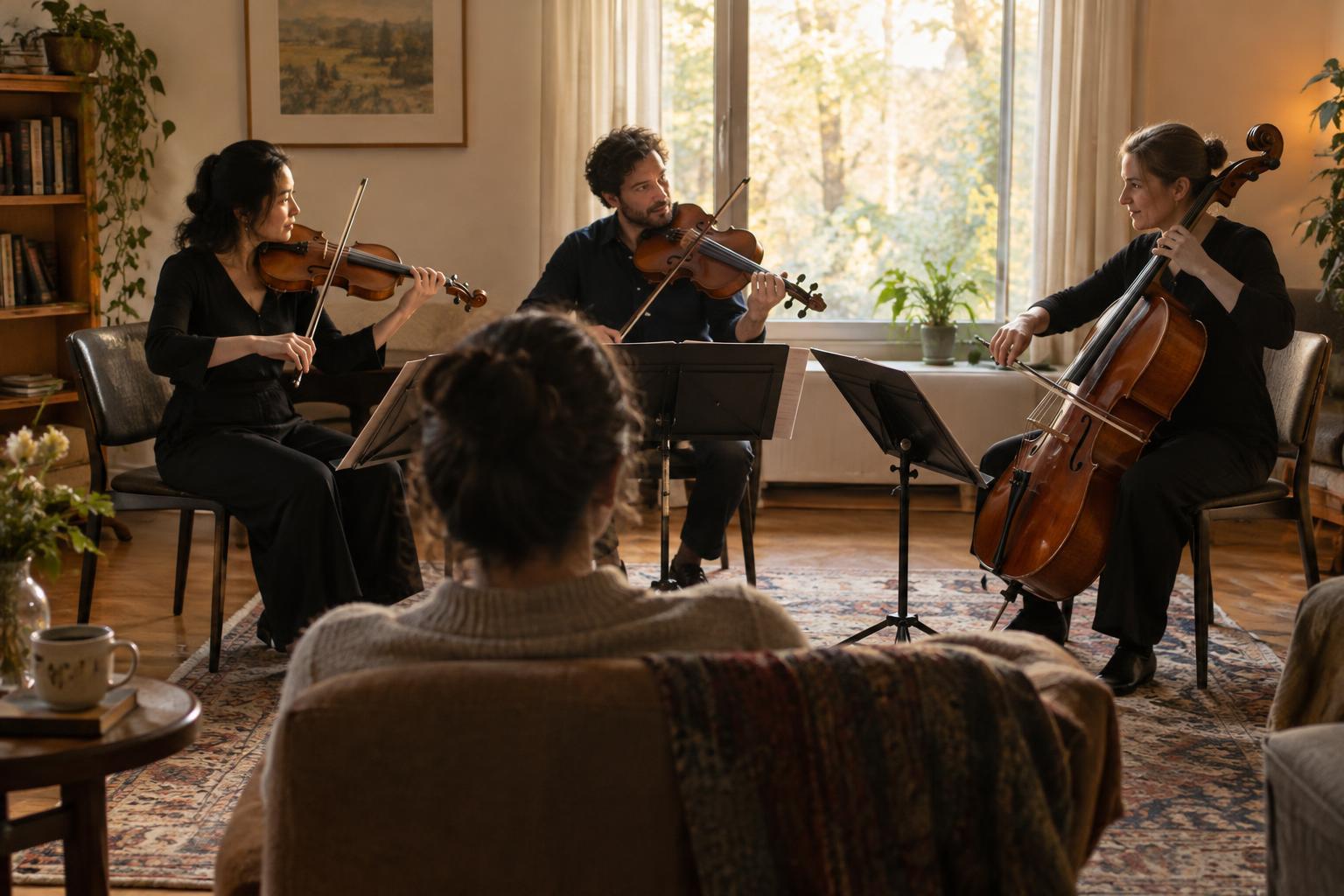
Pay attention to the instruments surrounding the melody, too. A pianist’s chord, a cellist’s bass note or a violist’s answering figure can make a phrase sound like a solo statement or an exchange. When a line passes from one player to another, does it feel continuous? Do the players leave a little space between ideas, or overlap them? Chamber music often rewards this kind of listening because musical direction can emerge from several parts at once.
If you lose track of the details, hum the phrase after each recording. You may remember a different point of emphasis or a different sense of where the thought ends. That memory can guide your next listen more effectively than trying to describe every note.
Notice balance without confusing it with the recording
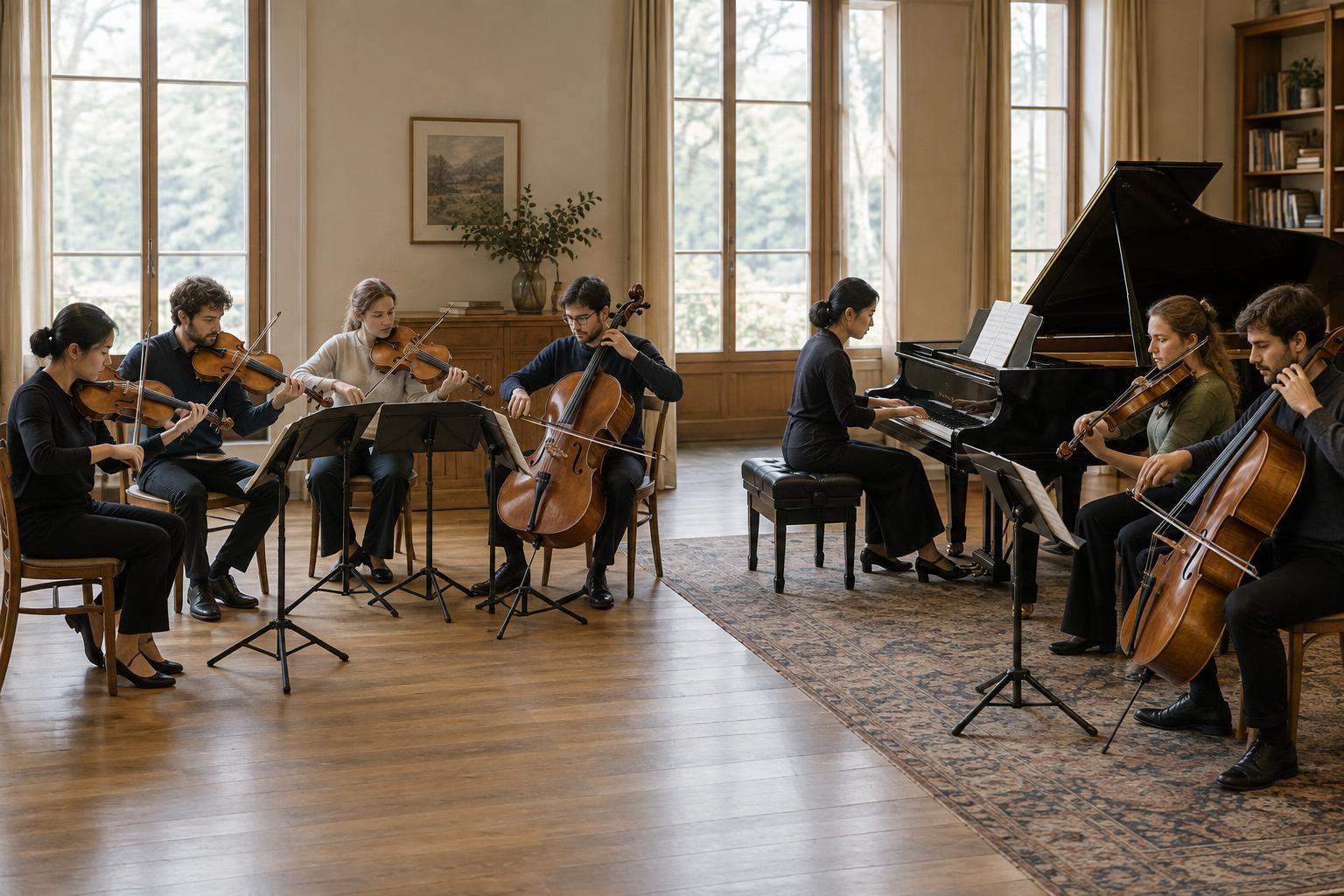
Balance describes how clearly the instruments relate to one another. A melody may sit well above its accompaniment, or inner parts may remain prominent enough to make the texture feel like a conversation. Choose one moment when several instruments play together. Can you follow the main line? Can you also hear a rhythmic pattern, bass movement or brief response elsewhere in the group?
Be cautious about attributing every difference to the performers. Microphone placement, the room and the recording mix can change how close or prominent an instrument sounds. Rather than assuming that a player chose to dominate, describe what you can hear: “The cello line is easier to follow here,” or “The piano chords cover some of the string detail on my speakers.” If possible, listen for balance at several moments before drawing a conclusion about an ensemble’s approach.
Bring your observations together
After comparing individual passages, play the movement again in each recording without stopping. Look for connections among your observations. A flexible tempo might make a phrase ending sound more reflective; a clear inner voice might make the same section feel more animated. Consider what each performance helps you understand about the work, rather than awarding points for isolated details.
A short note is enough: name the passage, record what you heard about tempo, phrasing and balance, and add one question for a future listen. You may find that your preference changes with the passage or with your mood. The value of comparison is not necessarily choosing a definitive recording. It is learning to hear chamber musicians as partners making choices together—and discovering more possibilities in music you already know.