Follow the musical idea, not just the instrument
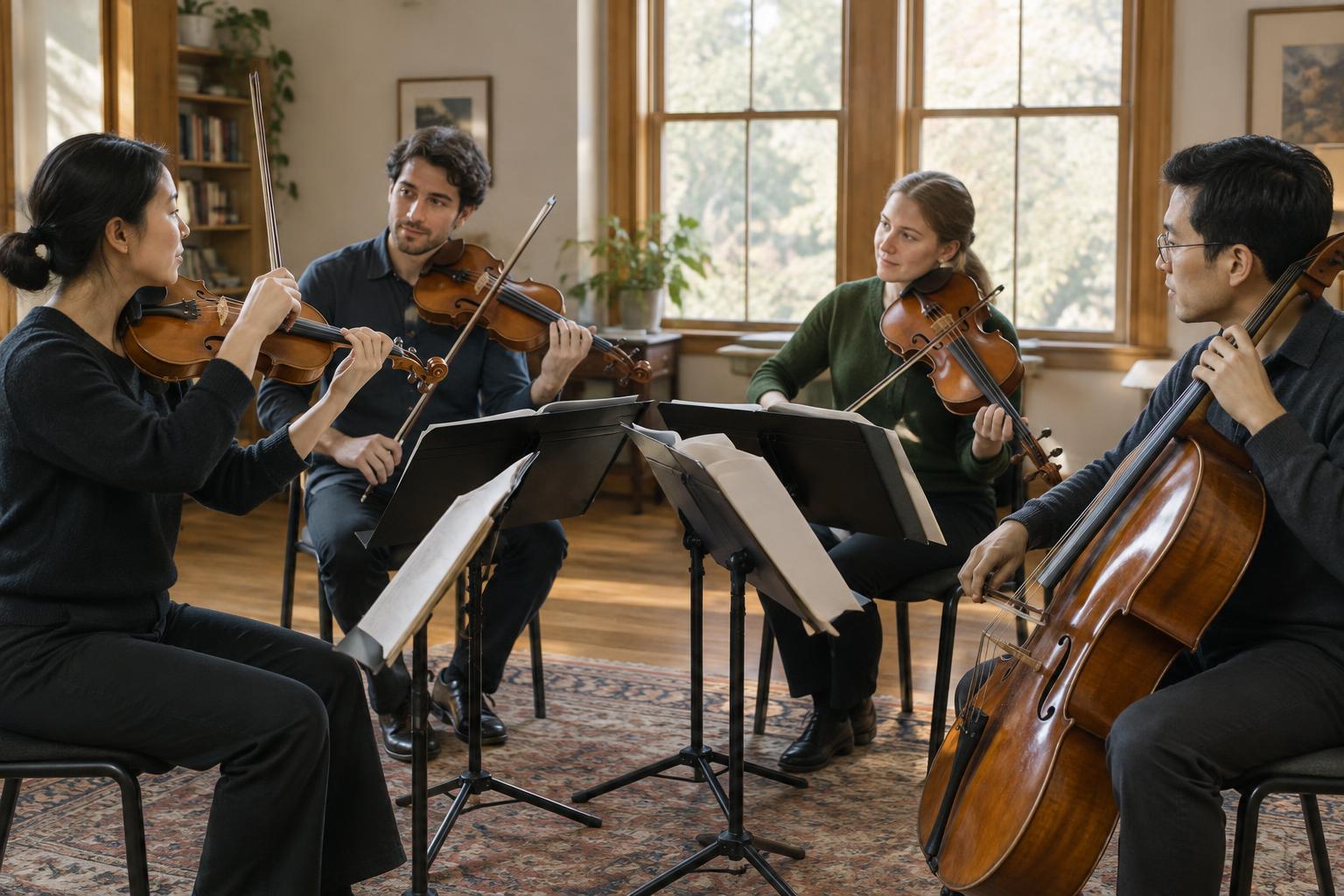
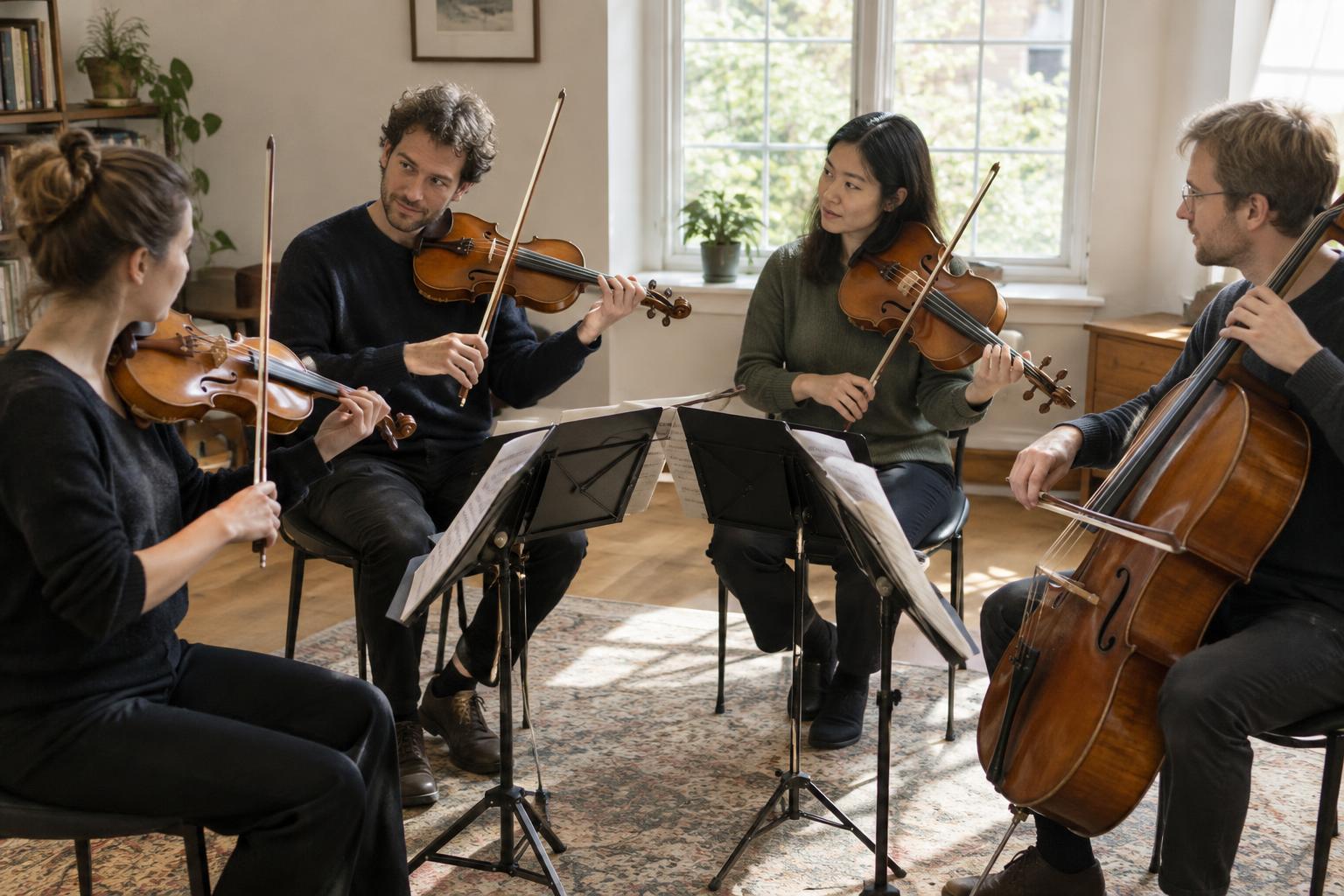
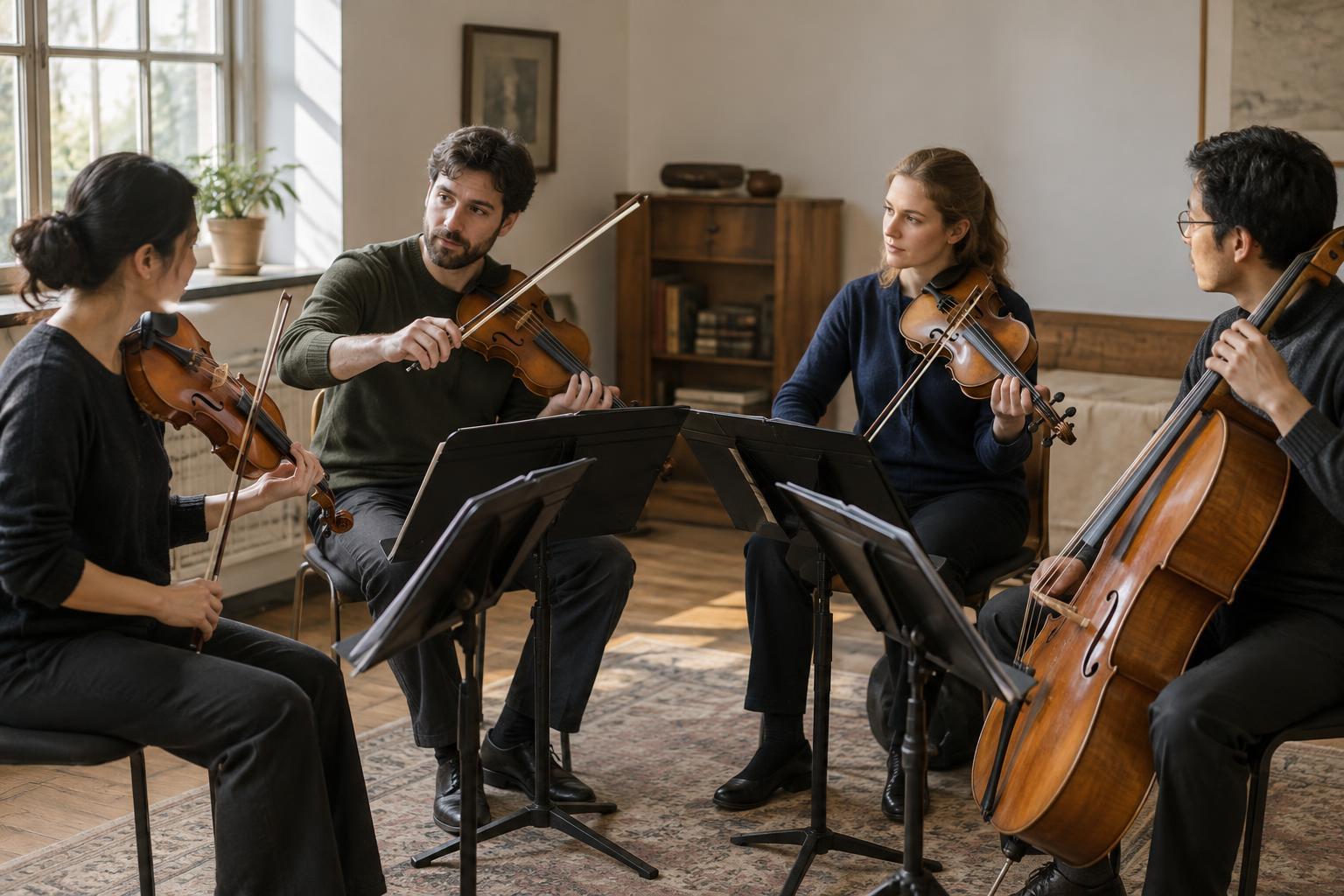
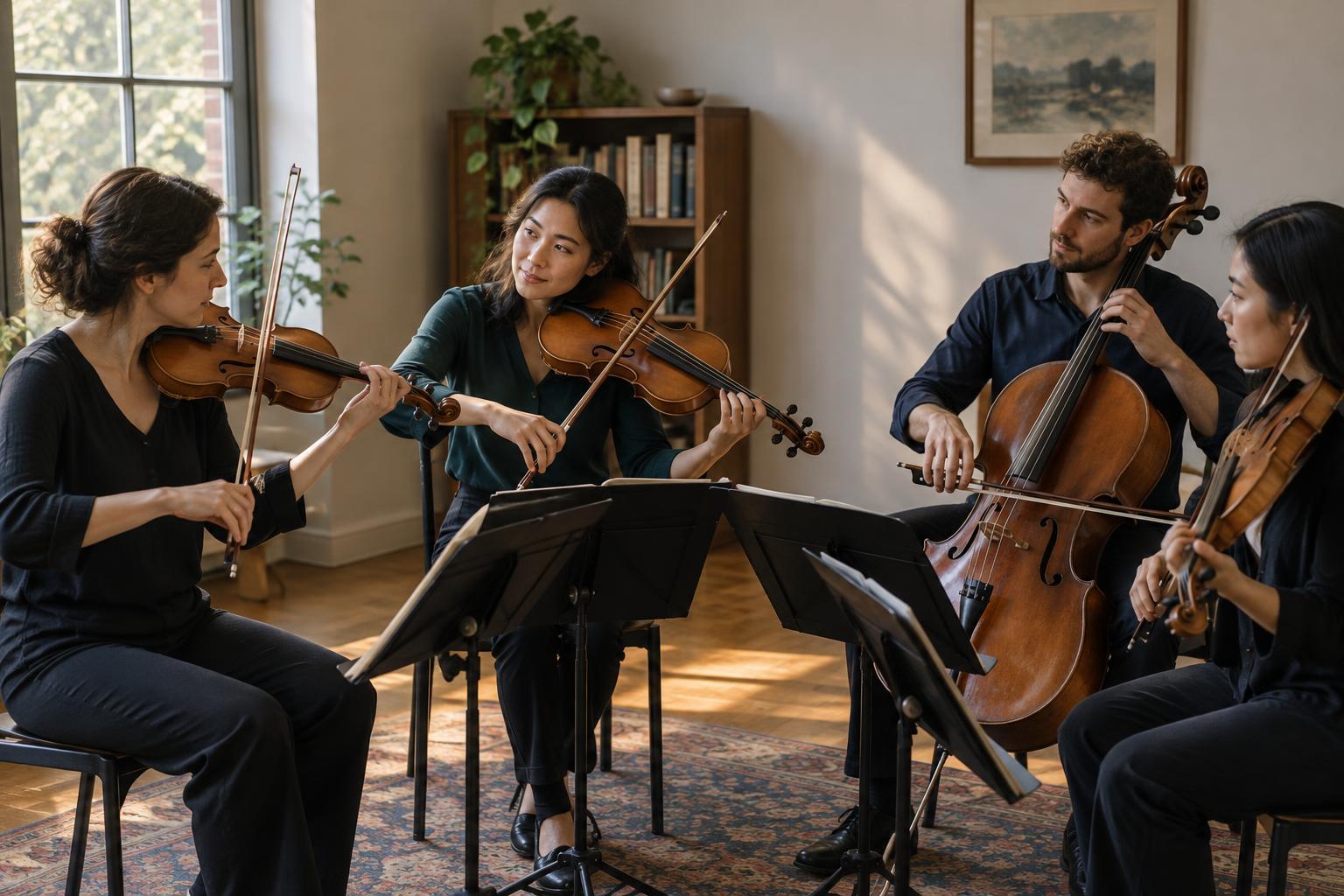
In a chamber group, no single player has to carry the tune for an entire piece. A violin might begin a phrase, a cello might answer it, and a piano might finish the thought. These changes can feel elusive at first, especially when the new player sounds different from the one you were following. The trick is to listen for the identity of the idea rather than the identity of its player.
A melody is more than a string of exact pitches. It has a rhythm, a direction and a shape: perhaps it starts with two short notes, climbs, then rests on a longer one. When another instrument takes over, it may repeat that shape at a different pitch or continue where the first player left off. If you can remember the phrase well enough to hum its outline, you have something to follow through the change in sound.
Notice the moments that invite a handoff
Listen for a small pause, a held note or a phrase that sounds deliberately unfinished. One player may leave space just as another enters. In other passages, the two overlap: the second player begins the idea while the first is still sustaining its final note. You need not decide precisely where one part ends and the next begins. Hearing the connection is enough.
Changes in the surrounding texture can help. A musician who was playing accompaniment may suddenly move into clearer, longer notes, while the former melody player shifts to repeated notes or chords. In a string quartet, for example, a viola line may come forward even if the first violin remains active. The loudest or highest part is not always the one carrying the idea; listen for the line that seems to complete the phrase.
Use rhythm and contour as landmarks
Try listening for a distinctive rhythmic pattern, such as three quick notes followed by a longer one. When that pattern returns in another instrument, you can recognize the handoff even if the notes are higher or lower. Contour works in a similar way. A line that rises in steps and then drops may remain recognizable when a clarinet plays it after a piano, despite the contrast in tone.
Not every handoff is a straightforward repeat. A player may pick up only the last few notes of a phrase, stretch its rhythm or turn it into a response. Ask yourself, “Does this sound like the same thought continuing, or a new thought replying?” Either answer gives you a useful way to hear the exchange. Chamber music often makes its sense through relationships between parts, not through one uninterrupted tune.
Give your attention a place to start
On a first hearing, choose one short passage instead of trying to track every entrance. Find a melody that catches your ear and follow it until another sound seems to take up its rhythm or shape. If you lose the thread, wait for the idea to return rather than trying to reconstruct everything you missed. Familiar phrases often become easier to spot once you have heard them a second time.
Listening again with a different focus can reveal how the group works together. First, attend to the melody; next, notice what the other players do during the handoff. They may soften their playing, supply a steady pulse or echo a fragment. These supporting parts can make the transfer feel seamless. If you are watching a performance, a player’s movement may offer a clue, but let what you hear guide you: a visible flourish does not necessarily mark the start of the melody.
Enjoy the change of voice
Passing a melody around does more than give each musician a turn. The same idea can feel delicate on one instrument and weightier on another. A phrase first heard high above the group may sound warmer when it returns in a lower register. The accompanying players can change its character too, even when the melodic outline stays familiar.
You do not need to identify every instrument by ear to appreciate this effect. Start with a simple question: “Who seems to be speaking now?” Then listen for whether the next player repeats, answers or completes that thought. With practice, handoffs become less like interruptions and more like conversation. Following that conversation is one of the most rewarding ways into chamber music.