Find a tempo the whole group can play
In chamber music, a starting tempo is a shared decision, not just a number on a metronome. The opening player may set it in motion, but everyone needs to hear the same underlying pulse. Before playing, look beyond the first bar. A quiet introduction might feel comfortable at one speed, while a later passage of quick notes, wide leaps or close coordination calls for another. Choose a tempo that lets the group play the most demanding passage with clarity, rather than one that makes only the opening sound impressive.
Try speaking or tapping the beat while someone plays a short section from the middle. If the music becomes rushed or heavy, adjust and try again. A metronome can help the group check whether its chosen pace is stable, but it cannot decide how the music should breathe. Once you find a workable pulse, play from the beginning through the difficult passage without stopping. That test often reveals whether the tempo is sustainable.
Agree on what the beat means
A number alone may not settle the tempo question. In a slow movement, one player may feel every smaller beat while another hears a broader pulse. In a lively movement, the group may count subdivisions to prepare an entrance but feel one larger beat while playing. Say which pulse you intend to give: for example, four quarter-note beats or two half-note beats to the bar. Then check that everyone can place their opening notes within it.
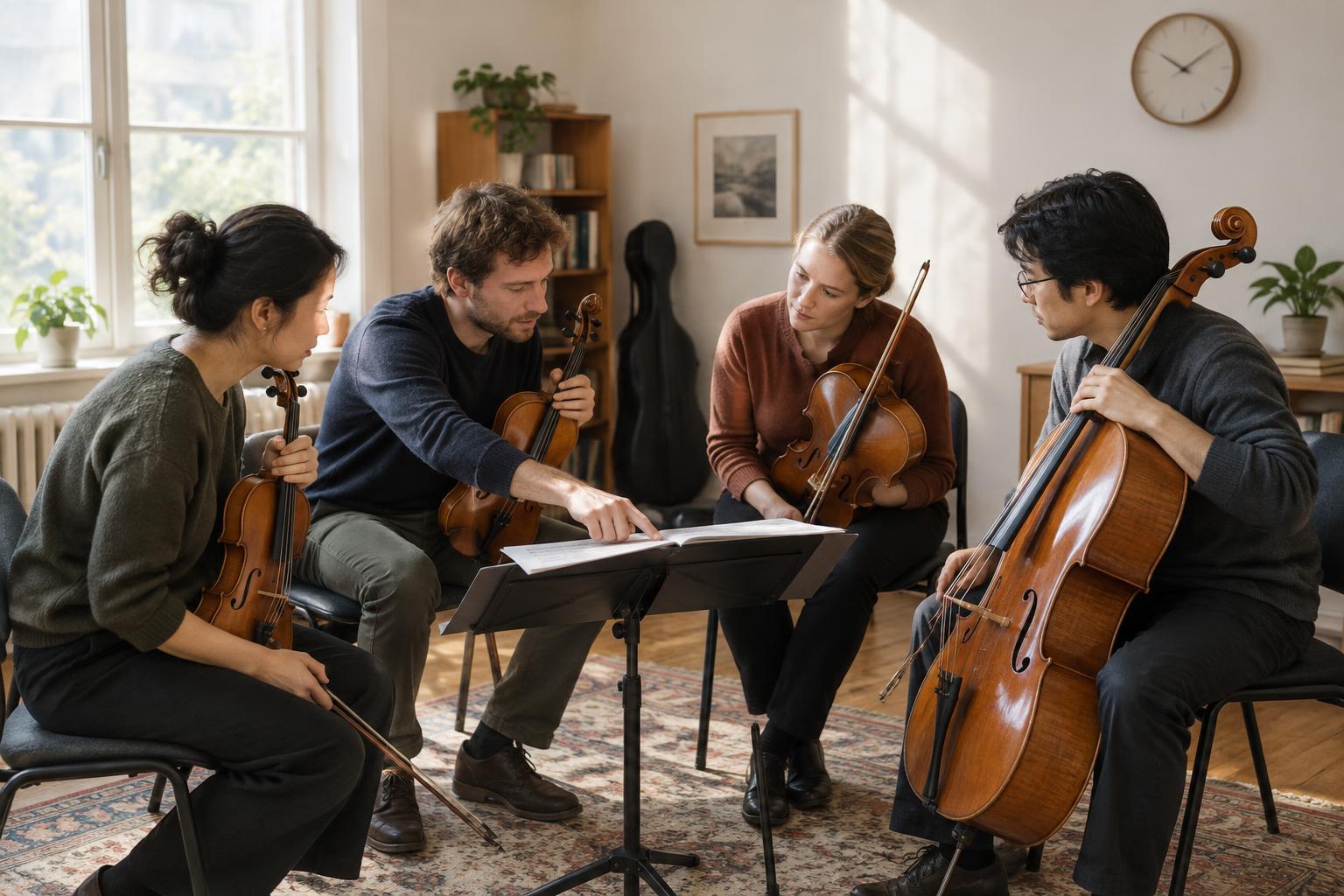
Pay particular attention to pickups, rests and tied notes at the start. A player who enters before the first full bar needs to know exactly where the pickup falls. Someone who begins after several beats of silence should be able to hear those beats in the count-in. If the opening rhythm is complicated, quietly clap or speak it together once before returning to the instruments. This is often faster than repeating an uncertain start.
Make the count-in useful, not theatrical
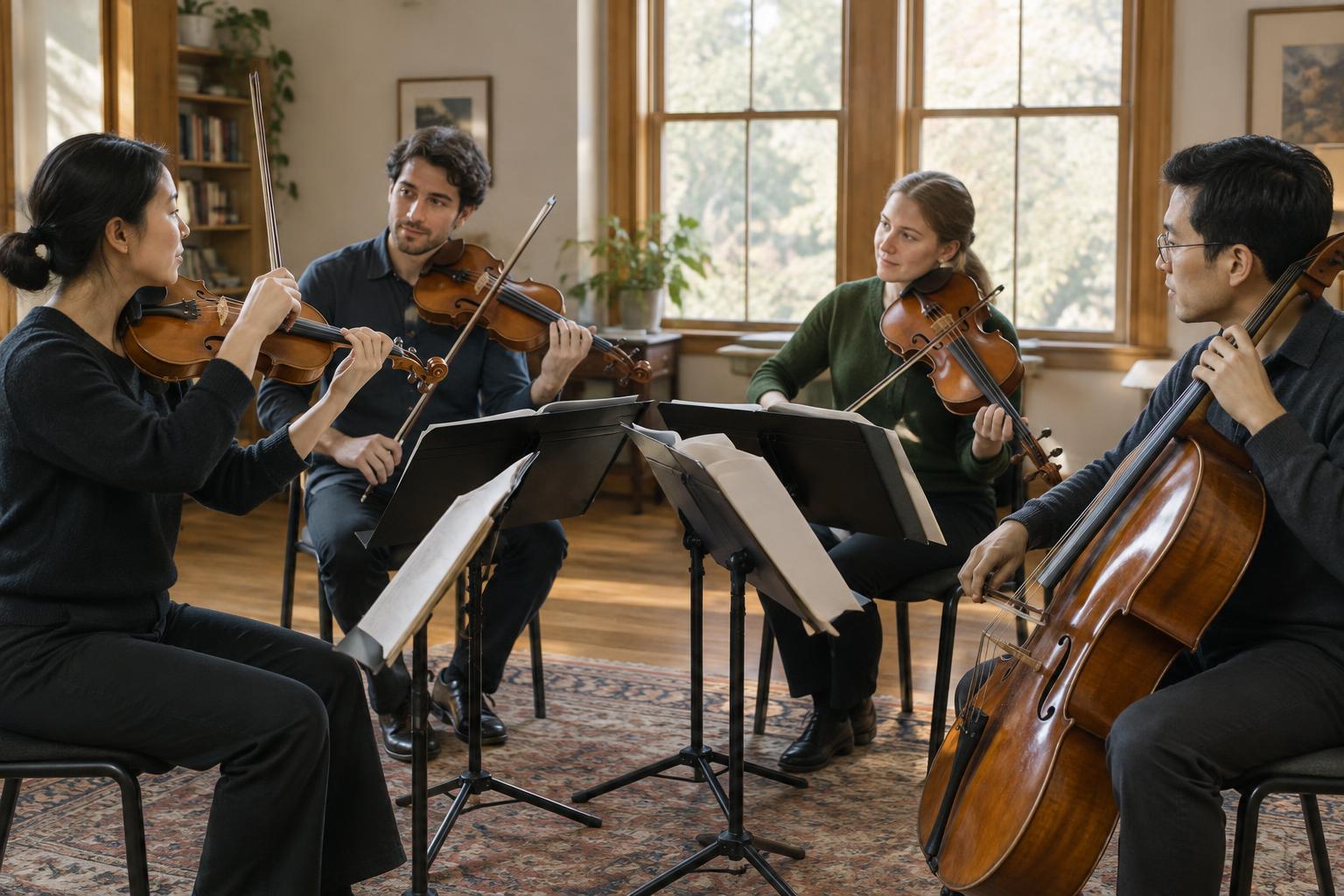
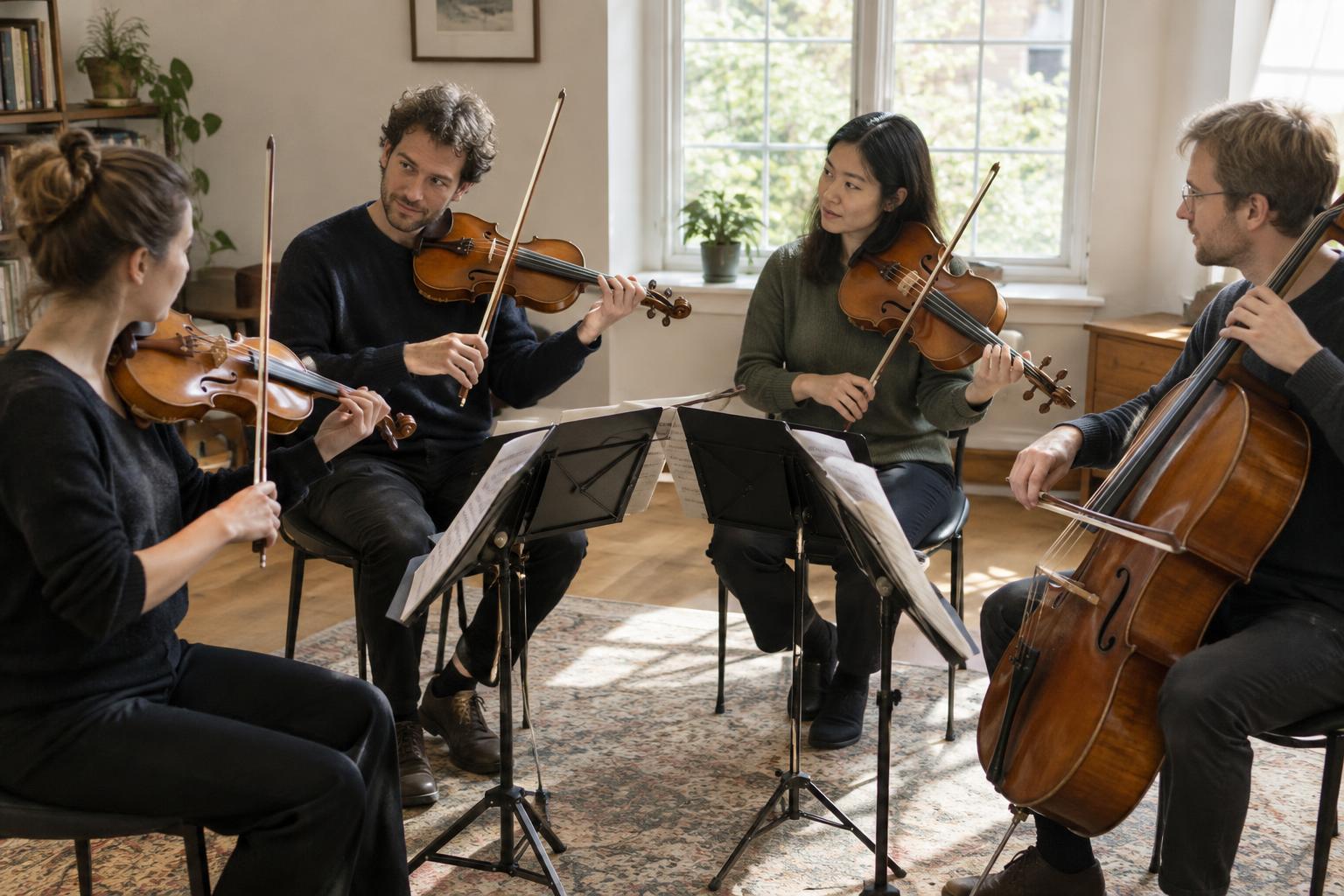
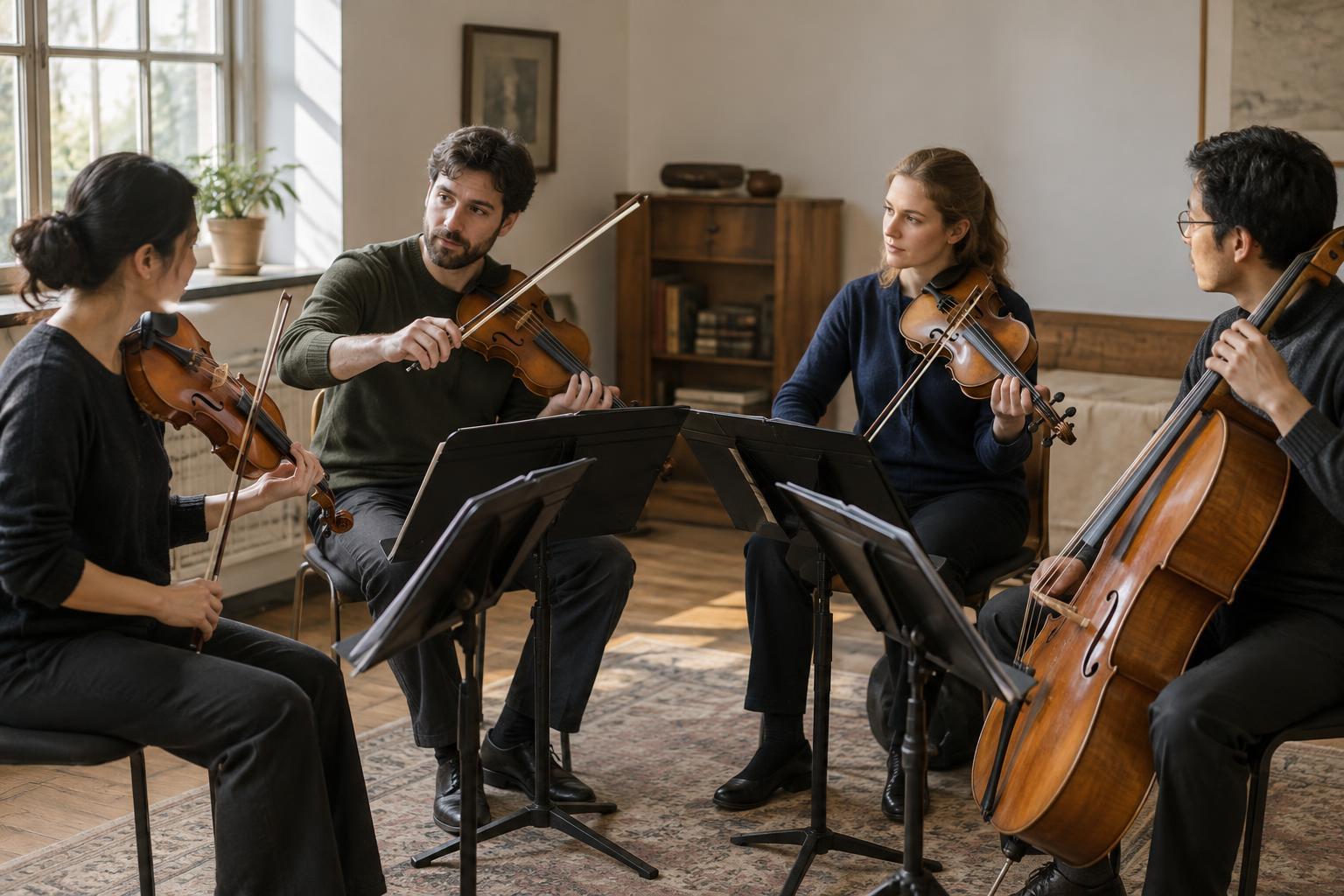
The purpose of a count-in is to give the ensemble enough information to begin with the same tempo and character. It can be spoken, tapped or shown through a small gesture. Choose the method that suits the setting and the music. In rehearsal, a spoken count may be the clearest option. In performance, shared eye contact and a visible breath can be less intrusive while still giving everyone a definite moment of arrival.
Whatever the method, establish the pulse before the entrance. A vague nod followed by a sudden first note leaves others guessing. Show beats at a consistent speed, and make the final preparatory motion lead directly into the music. For a gentle opening, an unhurried breath may communicate more than a sharp downward cue. For a crisp rhythmic opening, a compact, precise gesture may work better. The preparation should match the sound the group intends to make.
Allow enough preparation for the opening
Not every piece needs the same length of count-in. If everyone enters on the first beat with a familiar rhythm, one preparatory bar may be plenty. A pickup, an offbeat entrance or a long initial rest may call for a fuller count. The goal is to avoid two extremes: so little preparation that players cannot anticipate the pulse, and so much that the opening loses its energy.
Before giving the cue, let the group become still. Players may need a moment to set a bow, find a breath, place fingers or lift their eyes from the page. The person leading should be ready, look around and wait until others are ready too. In a group without a conductor, that brief exchange is part of the performance. It tells the ensemble that the first note is a shared action rather than a surprise.
Rehearse the start as its own passage
An uncertain opening is worth practising even when the rest of the piece goes well. Begin by playing only the first phrase. Ask whether the count-in gave enough time, whether the tempo held and whether the first notes had the intended character. If it felt unclear, change one thing at a time: the number of beats given, the size of the gesture or who leads. Then repeat the phrase to see whether the change helped.
Finally, practise starting after a pause, as you would in a concert, rather than only after conversation or a correction. Decide who gives the cue and make sure the others can see or hear it. A good count-in does not draw attention to itself. It lets every player begin with confidence, leaving the listener free to hear the music from its first sound.