Treat the page turn as part of the music
A page turn can seem like a small piece of housekeeping until it falls in the middle of a fast passage. Then the player must choose between reaching for the paper and keeping both hands in the music. Planning ahead makes that choice less likely. The goal is not to make every turn invisible; it is to keep the musical line, ensemble coordination and the player’s attention intact.
Start by reading through the entire part with the physical pages in place. At each turn, ask what both hands are doing, whether you need to watch another player or conductor, and how quickly you must resume playing. A printed rest may offer plenty of time, but only if you can still follow the ensemble while turning. A long note may look convenient yet require steady bowing, breath support or keyboard control. Mark any turn that needs a deliberate plan rather than assuming it will work on the day.
Find a safe moment, then check the return
The best turning point is usually a rest or a moment when one hand is genuinely free. Look for a place where you can move the page without rushing the note before it. Just as important, check what happens immediately afterward. If the next entrance is exposed, syncopated or tied to another player’s cue, you need enough time to find it on the new page and prepare to play.
When no easy opening exists, consider whether you can memorize a short passage around the turn. Memorization works best as a backup to careful preparation, not as a substitute for knowing where you are in the score. Practice starting a few measures before the turn and continuing well beyond it, so the movement becomes part of a familiar musical phrase. Keep counting through any rests; the page should change without costing you your place.
Arrange the part for readability
Sometimes the layout, rather than the playing, is the problem. If you are permitted to prepare a working copy, you may be able to place facing pages differently, add a foldout or copy a short section so that an awkward turn moves to a rest. Check that every measure remains present and in order. Measure numbers, rehearsal letters and clear markings can help you confirm your place quickly, especially in chamber music where several players may be relying on the same cue.
Use a stable stand and secure loose sheets before rehearsing. A page that curls back or slips sideways can turn an easy movement into a distraction. If you use a digital score, test the device, pedal or touch gesture in the same playing position you expect to use. Set a readable display size and make sure the next line will be visible after the turn. Paper and screens have different failure points, but both benefit from a simple backup plan.
Rehearse the turn with the ensemble
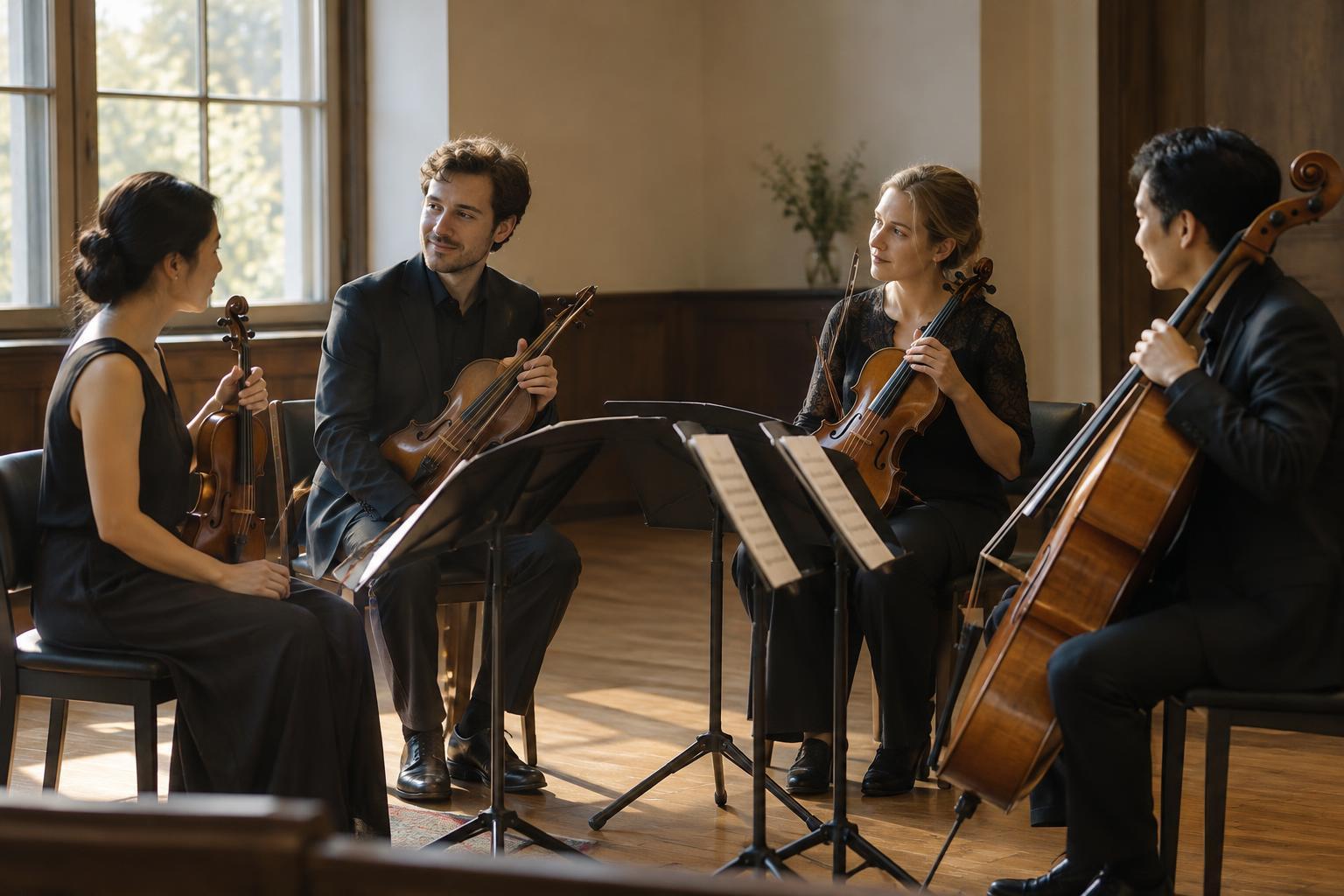
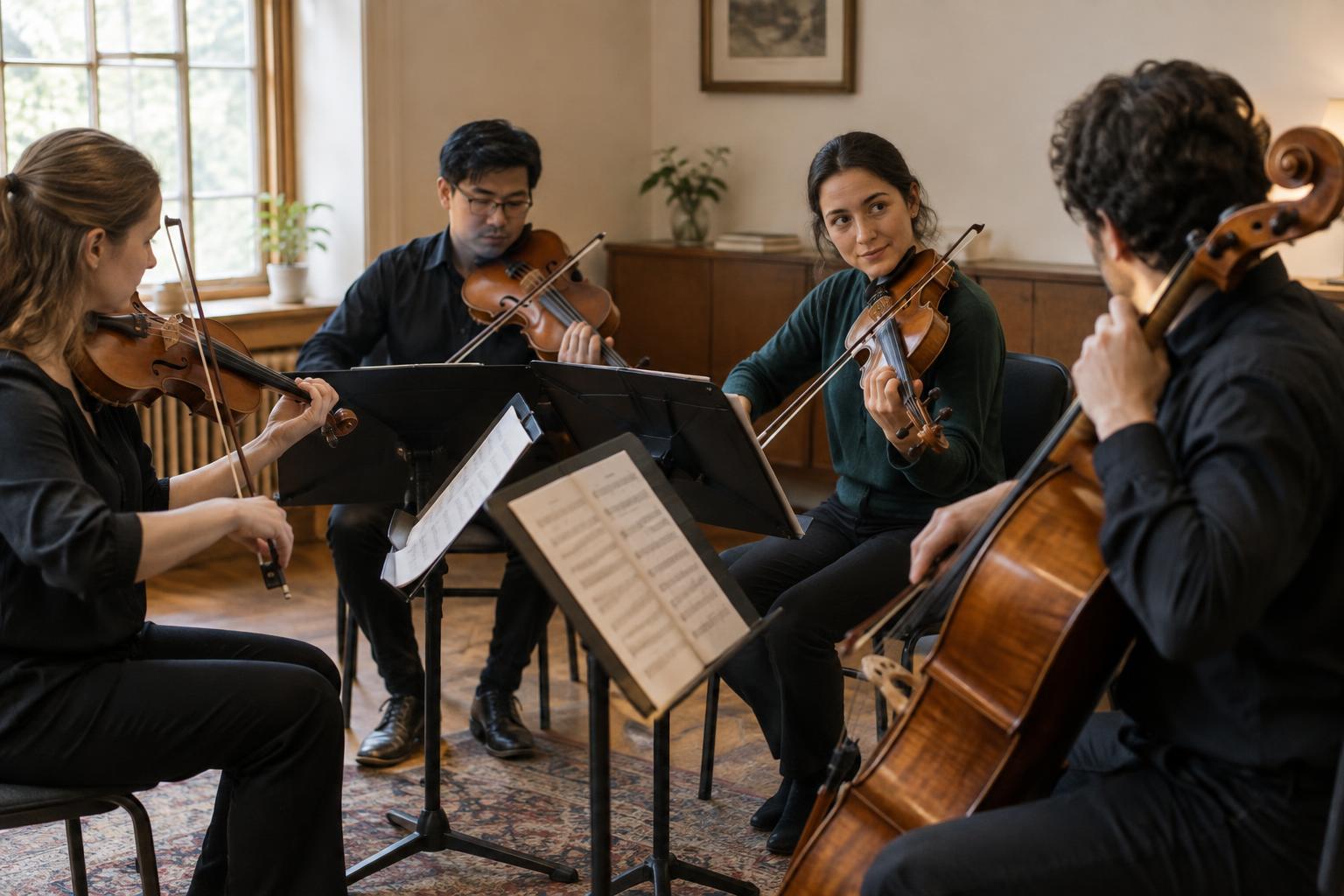
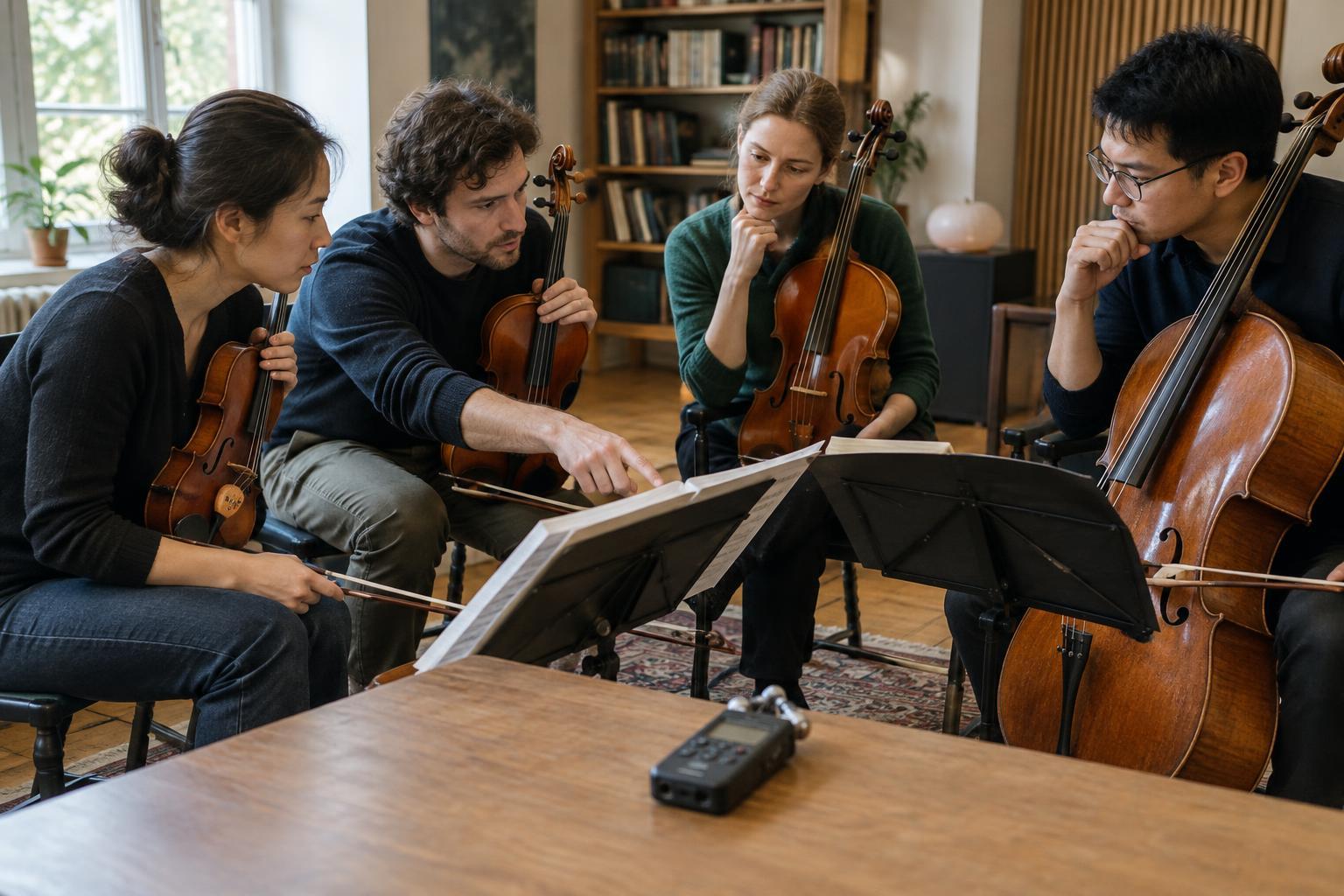
A turn affects more than the player making it. In chamber music, an entrance may depend on eye contact, a shared breath or a gesture from another instrument. Tell your colleagues about a difficult turn and agree on a cue you can still catch. If a stand is shared, decide who will turn and confirm that the other player can see the music throughout the movement.
Run the passage at performance tempo with the actual part and stand arrangement. Practicing only the notes leaves out the reach, the sound of the paper and the moment it takes your eyes to settle on the next system. If the turn repeatedly disrupts the phrase, revise the page layout or turning point rather than hoping to move faster under pressure. One calm, repeatable action is more useful than a turn that succeeds only occasionally.
Work clearly with a page turner
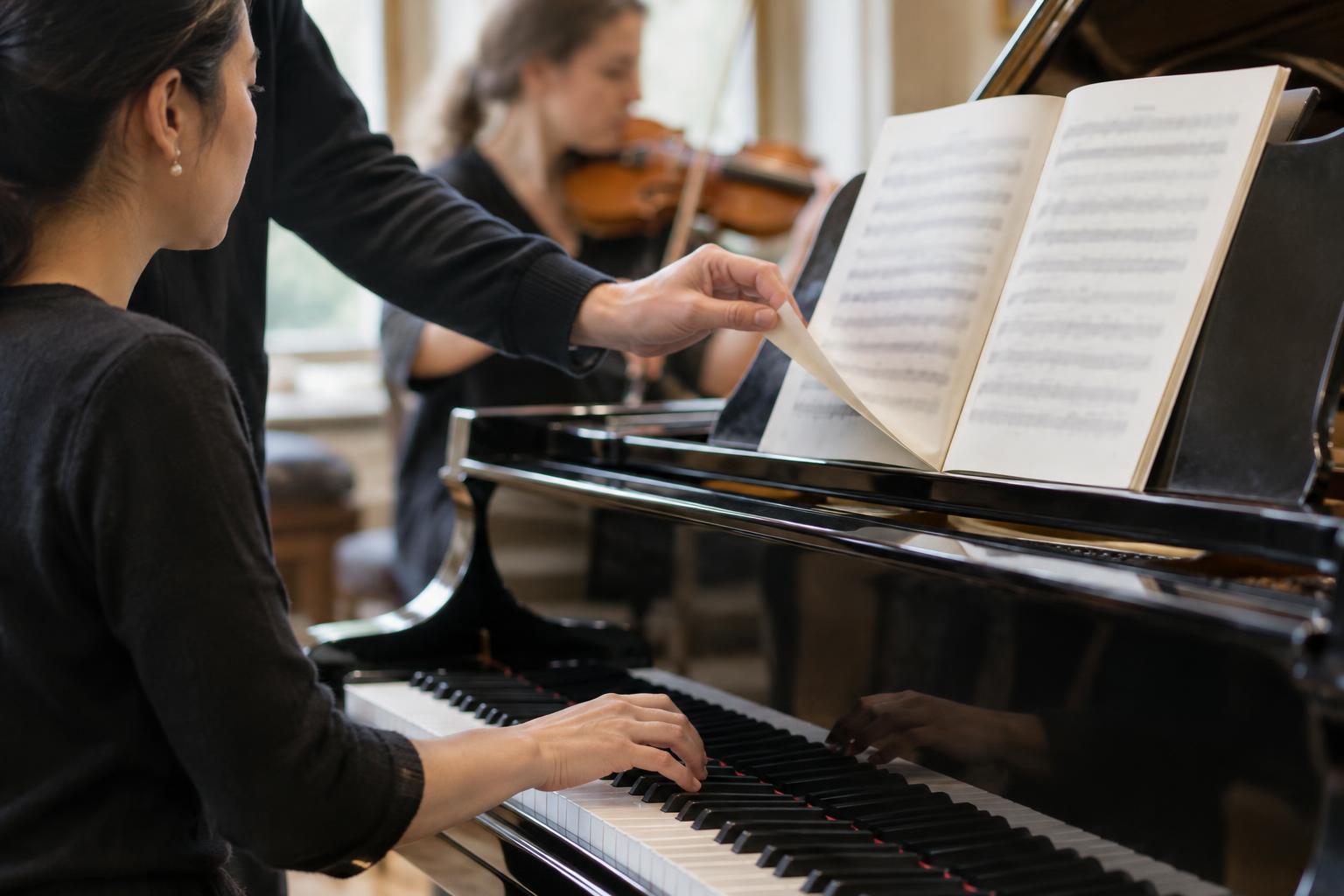
A page turner is helpful when the performer cannot safely release a hand, as often happens in keyboard repertoire. Before the performance, show the turner the score, the planned turning points and any repeats or optional cuts. Agree on a quiet signal if one is needed. The turner should be able to follow the music and reach the page without blocking the player’s view or interfering with the instrument.
Practice together if possible, especially where the turn falls close to an entrance. Give the turner time to grasp the page, but avoid turning so early that the performer loses the end of the current one. If a turn is missed, the priority is to stay composed and keep following the performance; a rushed attempt to fix the page can create a larger interruption. Whether you turn your own pages or have help, the most reliable plan is one you have already tested while playing.