Start with the whole piece, not just your notes
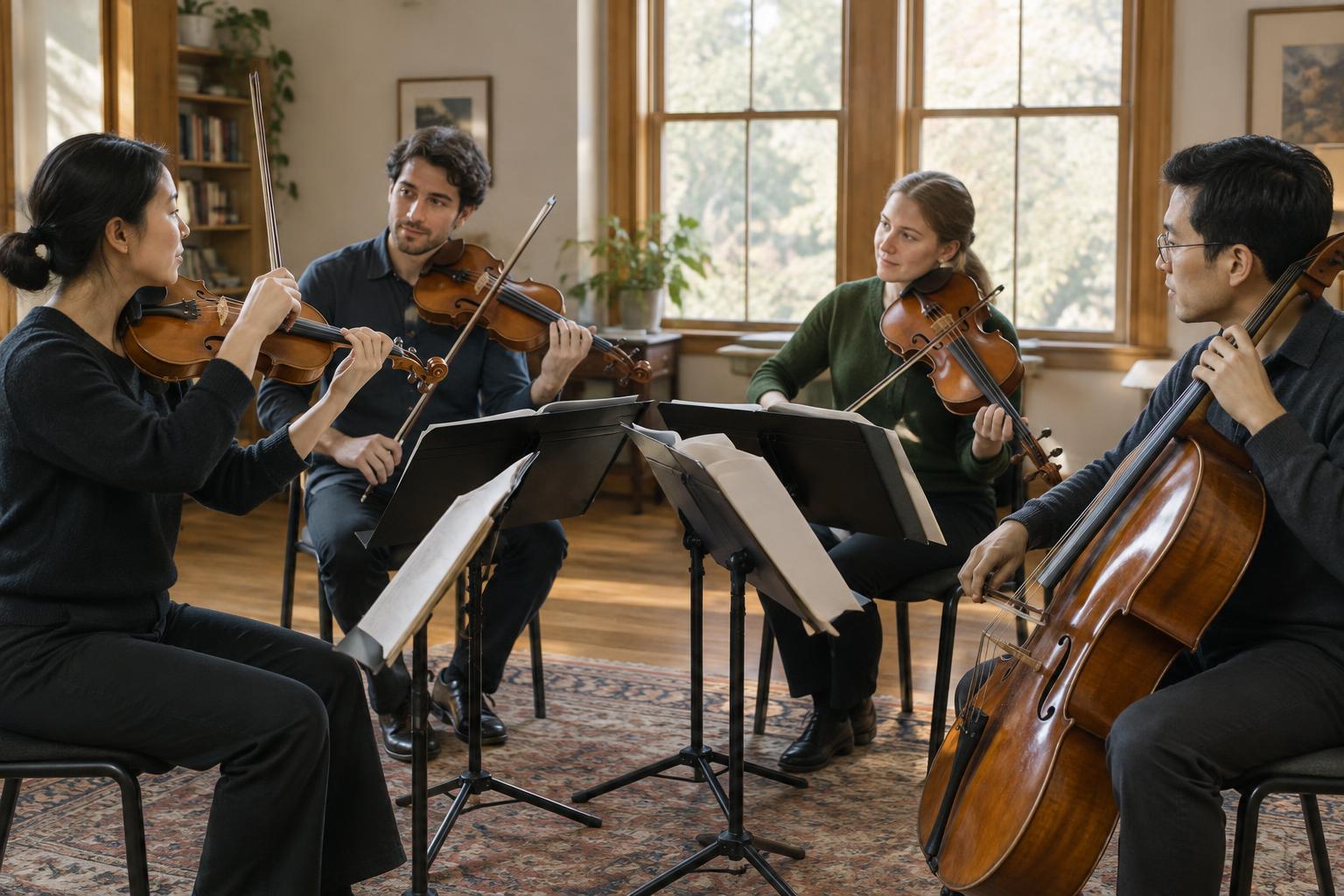
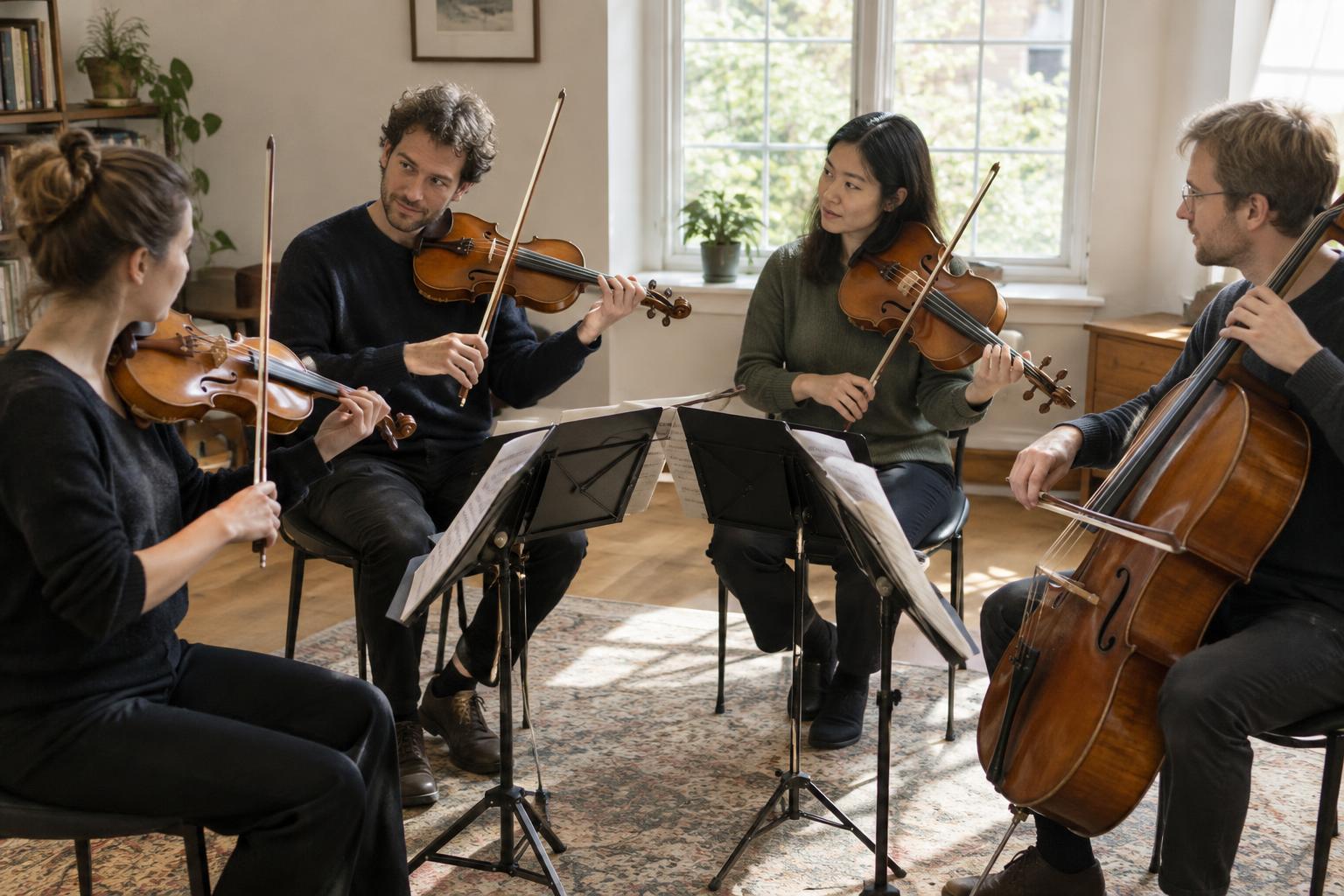
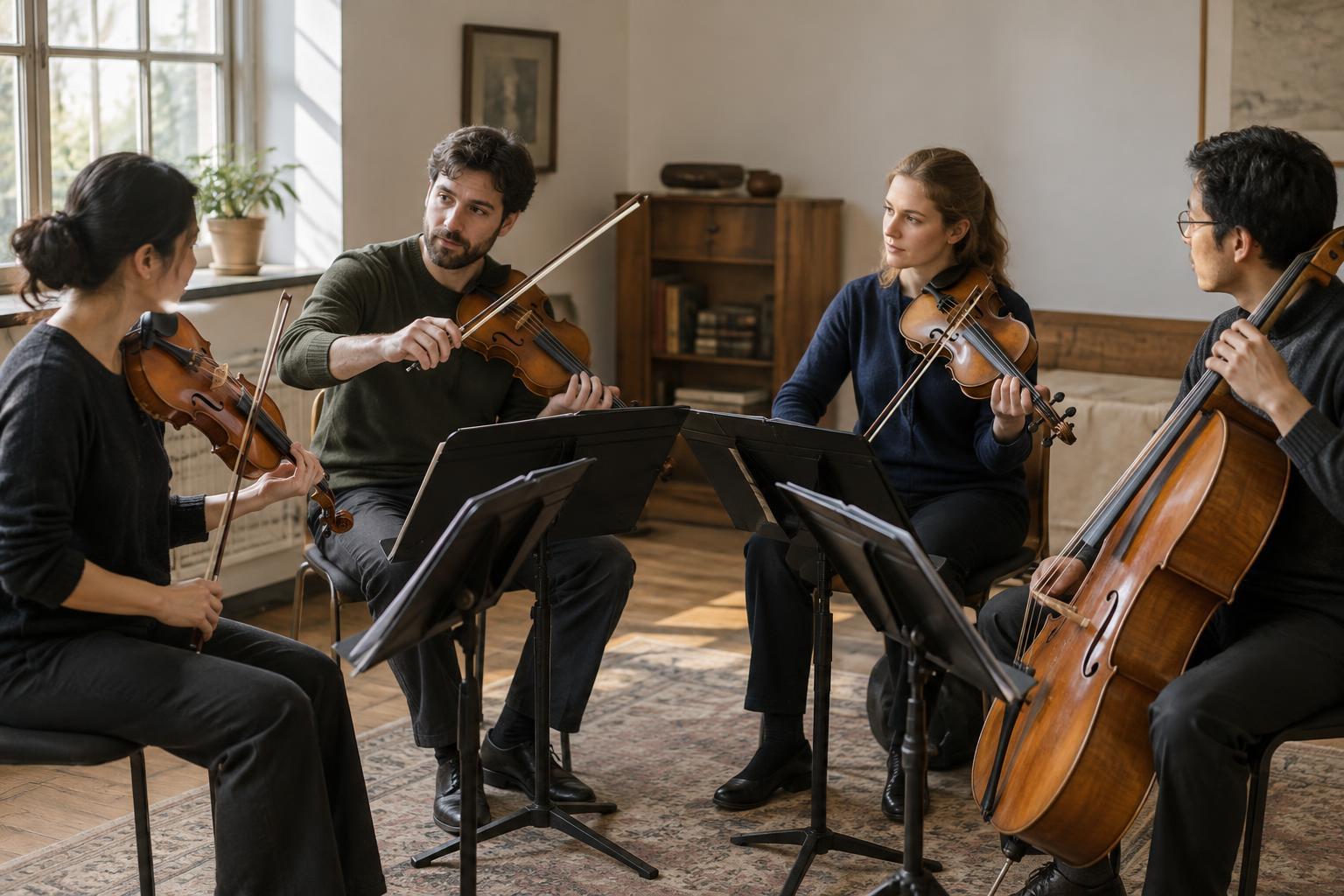
Preparing a chamber part is different from preparing a solo. Your notes matter, but their meaning often depends on what another player is doing at the same moment. Before drilling difficult passages, look through the entire piece. Notice its sections, changes of tempo or character, repeats, and places where material returns. If you have access to a full score, use it to see how your line fits into the texture. If you have only your part, you can still mark the main landmarks and listen for changes during rehearsal.
Ask what role you play in each section. Do you carry the melody, support it, provide a rhythmic pulse, or answer another instrument? That role may change within a few measures. Marking those changes helps you make useful choices about articulation and balance without deciding in advance exactly how the ensemble must sound.
Make the part reliably playable
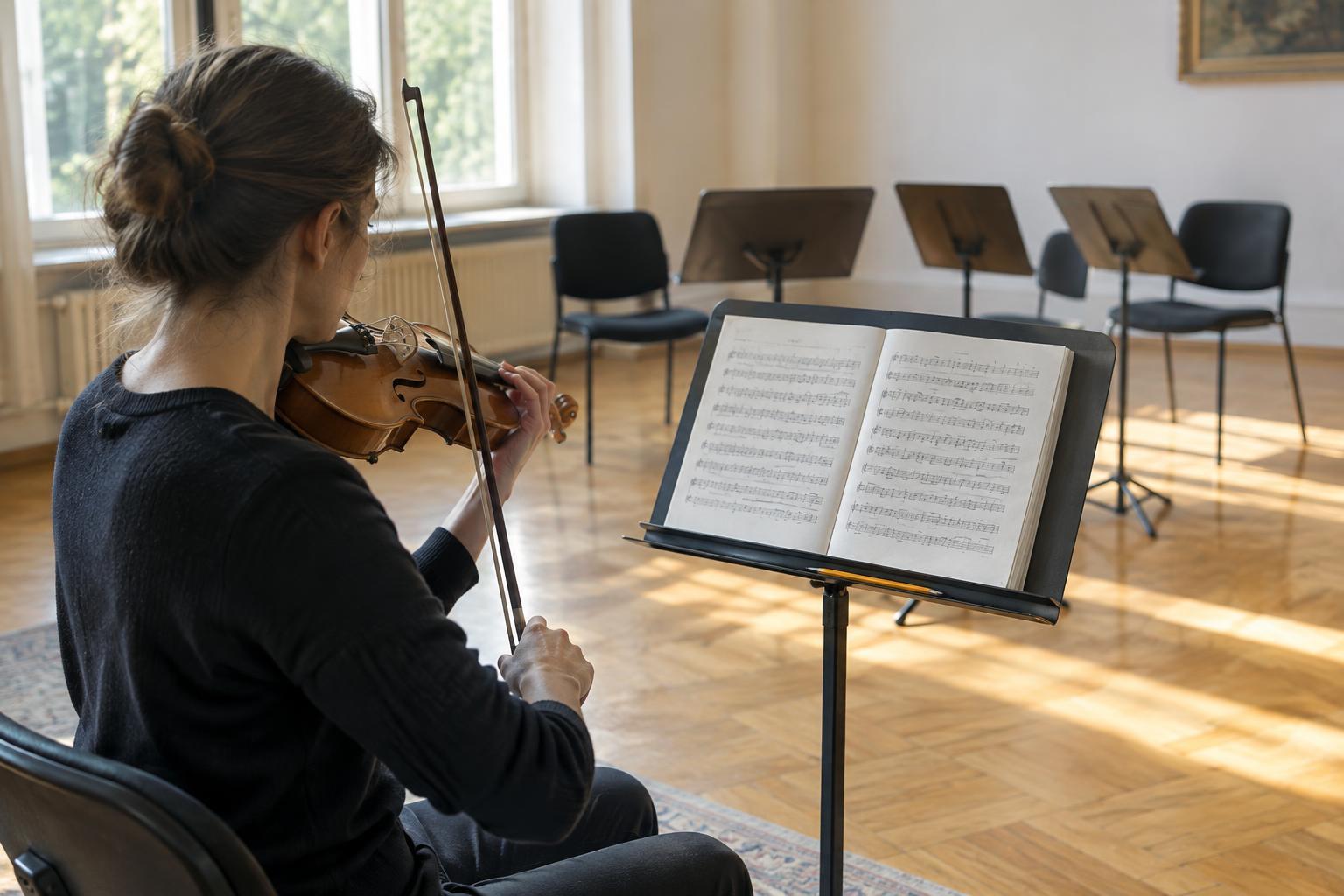
Read through the part slowly enough to catch details you might miss at performance speed: accidentals, rests, ties, dynamics, articulation, and changes in clef or position. Isolate passages that interrupt your flow, then practice them in short units. Work out fingerings, bowings, breaths, or other technical choices that let you play consistently. A steady pulse at a manageable tempo is more valuable at a first rehearsal than a fast passage that succeeds only occasionally.
Give special attention to the measure before and after each difficult spot. In ensemble playing, a passage is not secure if you can perform it only after stopping to prepare. Practice entering from nearby landmarks and continuing past the trouble. Keep tentative markings distinct from decisions that may need discussion with the group, especially when a choice affects phrasing, timing, or articulation.
Prepare entrances and listening cues
Long rests can be as demanding as busy passages. Count them carefully, and identify what you expect to hear before you enter: a melody in another instrument, a change of harmony, a repeated rhythm, or a distinctive gesture. Pencil a brief cue into your part if it helps. Then practice counting through the rests rather than skipping straight to your entrance. You want to be able to rejoin confidently even when the rehearsal begins in the middle of a section.
Look also for moments when your line connects to someone else’s. An exchanged phrase, a shared rhythm, or a transition into a new tempo may call for particular attention. Mark these places as listening priorities. You do not need to predict every detail of another player’s interpretation; you need to know where to direct your ears.
Bring questions, not a finished interpretation
As you practice, note anything you cannot settle alone. Perhaps a marking is unclear, two plausible articulations suggest different characters, or a transition seems to need a shared breath. Write a short question beside the passage so you can raise it when the group reaches that spot. Specific questions are easier to discuss than a general feeling that something is not working.
You can arrive with ideas about tempo, phrasing, and character while remaining open to other readings. In chamber music, a decision that feels natural in isolation may need to change when you hear the other parts. Treat your preparation as a strong starting point, not a script for everyone else. During the rehearsal, listen to an idea in sound before deciding whether it works.
Make the first rehearsal easy to begin
Check that your part is complete and readable, including any pages that need to be turned during playing. Bring a pencil and an eraser, and arrange your music so you can find a section quickly. If the group has agreed on an edition, cuts, or a starting tempo, confirm that your materials match. Allow enough time to set up and tune without consuming the first minutes of playing.
The aim is not to arrive free of every mistake. It is to know the piece well enough to stay oriented, recover when something goes wrong, and notice what your colleagues contribute. After the first run-through, write down the passages that need individual work and the choices the ensemble has made. That gives your next practice session a clear purpose—and makes the second rehearsal more productive.