A rest is part of the music
When an instrument stops playing, the music does not necessarily stop with it. A rest is a measured interval in which that player has no written note to sound. The pulse may continue, another instrument may carry the melody, or a sound already played may still be fading. In chamber music, where each part can be easy to follow, these moments help reveal how the players fit together.
Try listening to a rest as an action rather than a blank. Does it leave room for another voice? Does it make the next entrance feel expected, delayed or surprising? You do not need to count every beat to notice its effect. Simply keep a phrase in mind after an instrument falls quiet and hear whether its return completes the thought or begins a new one.
Silence makes a musical conversation possible
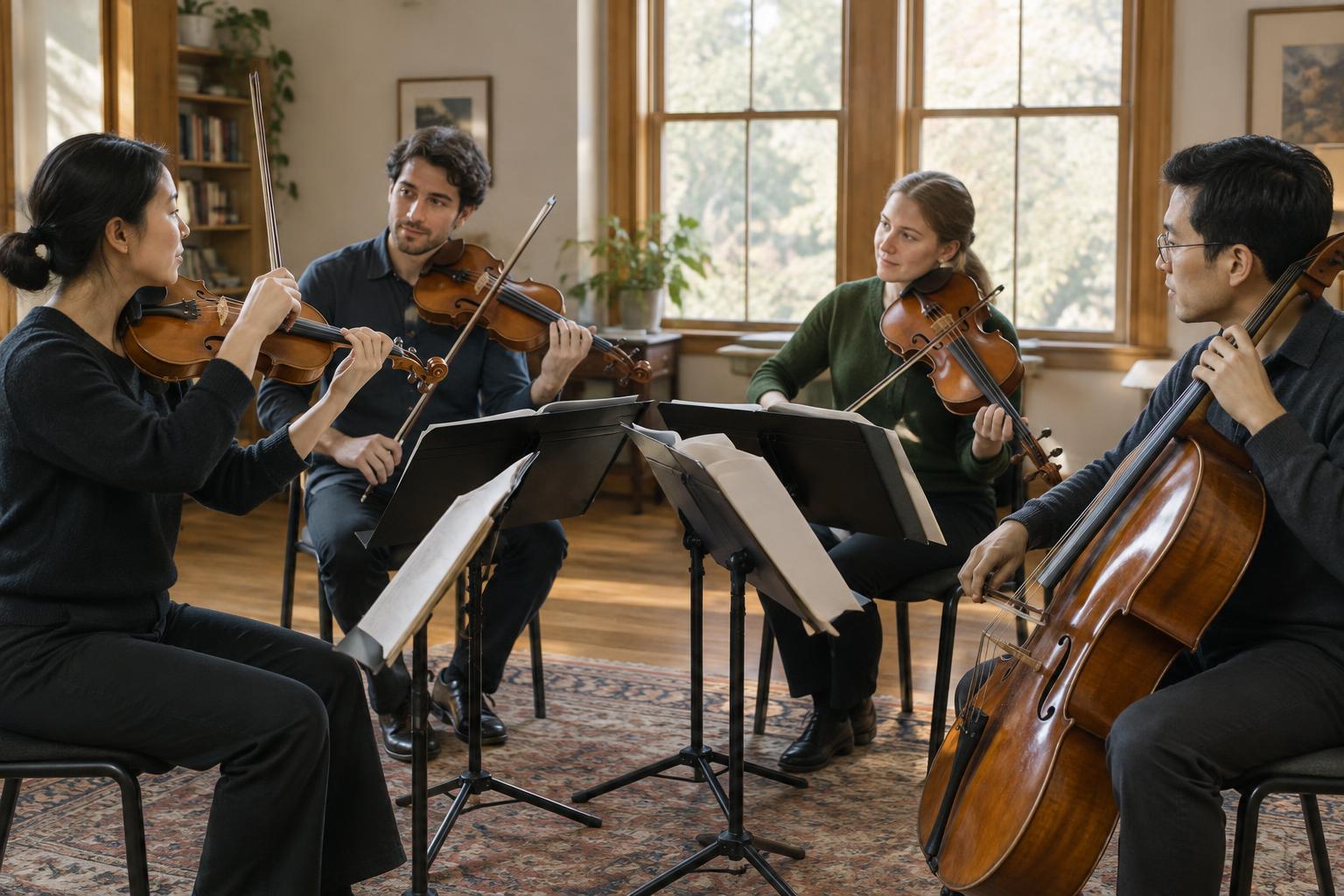
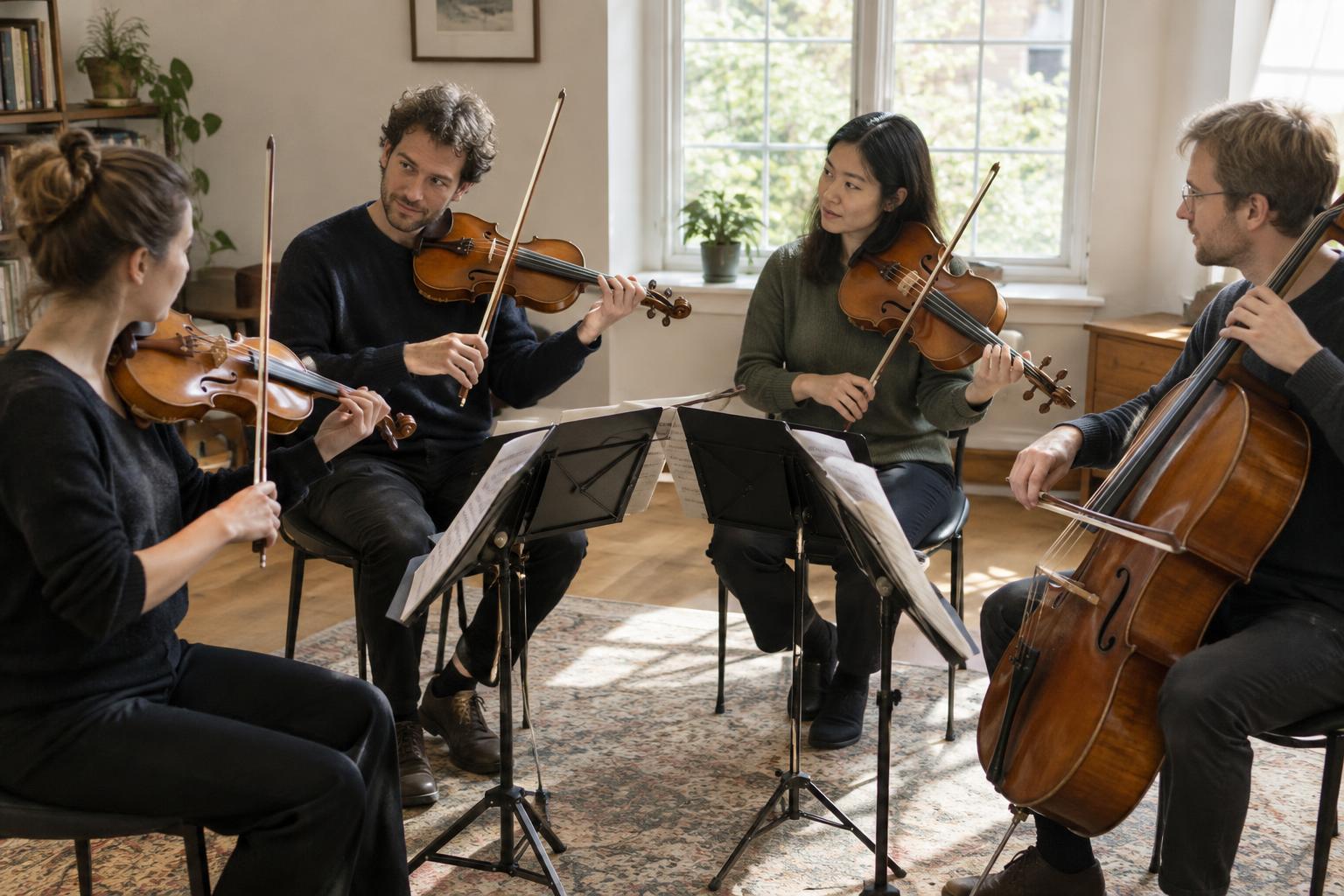
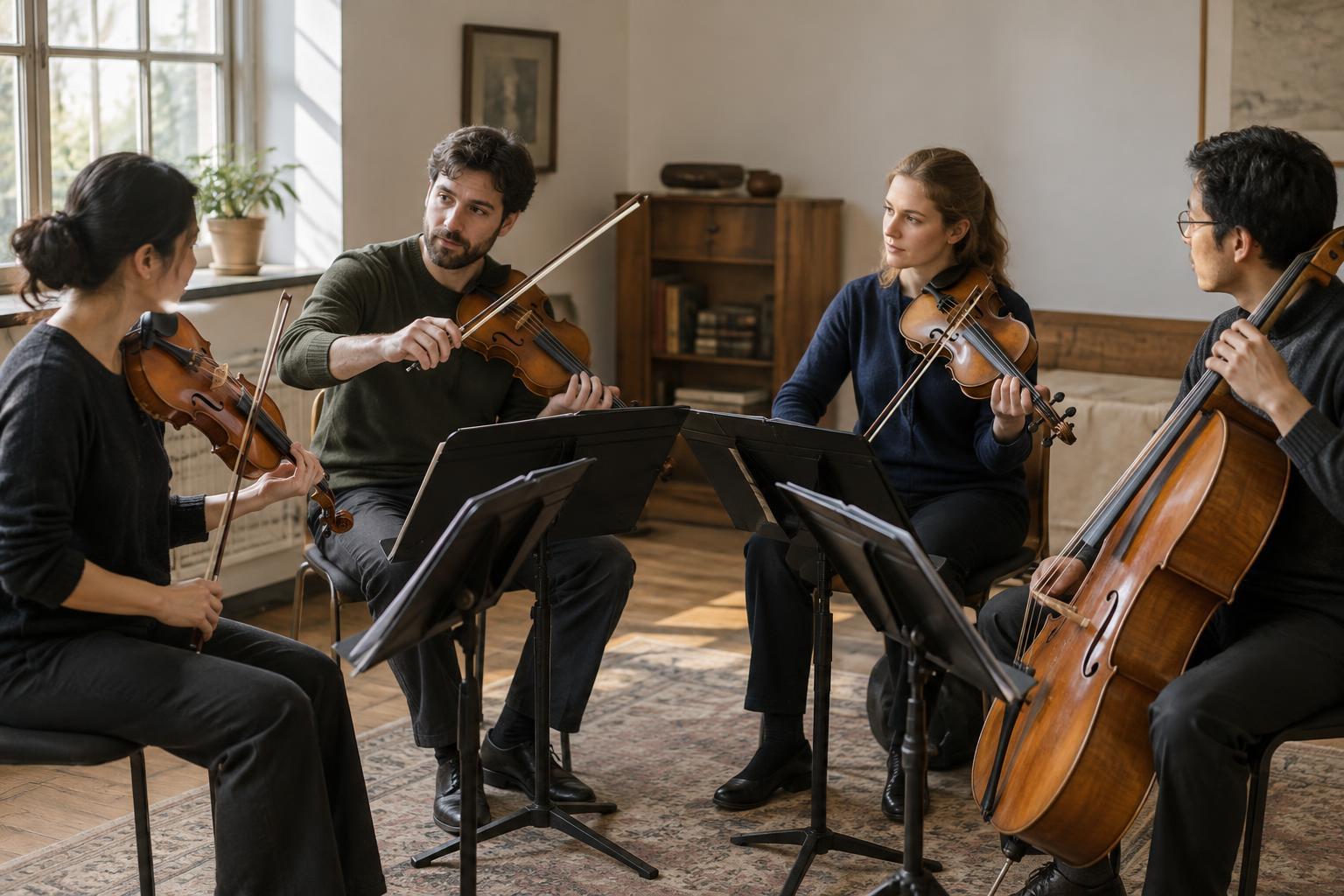
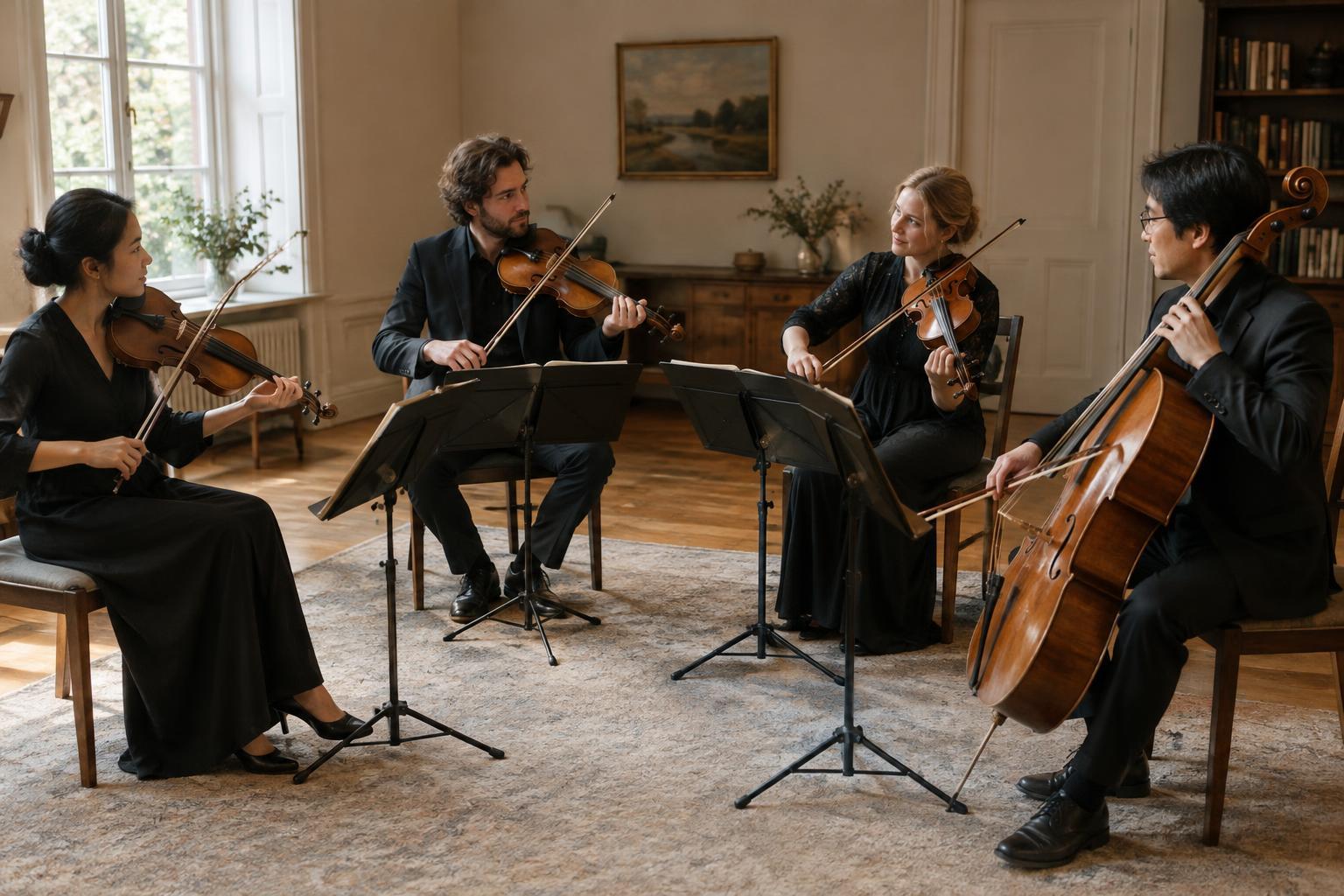
A string quartet, piano trio or wind ensemble can resemble a conversation, though its instruments do not take turns as neatly as speakers do. One player may offer a short idea, pause, and hear another player reshape it. A rest gives the first idea an edge: you can hear where it ends, and you can recognize the reply. Without that space, two related phrases might blend into one continuous stream.
On a first listen, choose one instrument to follow. When it falls silent, resist the urge to wait only for its return. Notice what happens elsewhere: another part may repeat its rhythm, continue its melody or introduce something contrasting. When your chosen instrument enters again, ask whether it sounds like a response, an interruption or a return to an earlier idea. This is a useful way to hear musical relationships without knowing the score.
A pause can change the weight of a phrase
Rests also affect how a phrase feels. A brief gap after an emphatic chord can allow its sound to settle before the next gesture. A longer pause before a quiet entrance can make that entrance feel especially exposed. In a lively passage, a sudden break may add wit or tension. These effects depend on context: the same length of silence can feel restful in one passage and unsettled in another.
Pay attention to what you expect during the gap. If the preceding rhythm seems to promise another note, you may continue that pattern silently in your head. The eventual entrance can confirm your expectation or change direction. This small exercise helps explain why a rest can be expressive even when nothing new is sounding.
The ensemble keeps time together
For performers, a rest is rarely time off. Players need to stay connected to the tempo and to one another so that the next entrance belongs to the same musical thought. They may listen to a colleague’s line, watch a movement or breath, or feel the ongoing pulse. In a performance, that shared attention can make a quiet gap feel poised rather than empty.
From the audience, you can listen for the precision and character of an entrance after a rest. Do the players resume together? Does one instrument enter gently beneath another, or make a clear new statement? You might also notice a collective breath before a phrase. The point is not to judge every entrance for technical perfection, but to hear how the players carry the music across a space with no notes from their parts.
Listen to the room as well as the score
Not every apparent silence is completely silent. A bowed string may leave a faint resonance; a piano chord may continue to decay after the keys are released. The room can prolong a sound or let it disappear quickly. In a small ensemble, these details can influence how a pause feels. A player’s rest and a true break in sound are therefore not always the same thing.
At a concert, allow the end of a phrase to unfold before assuming the piece or movement has finished. A pause may be a hinge leading into the next idea. On a recording, try replaying a short passage and listening only to its gaps: what continues, what fades, and who enters next? Then listen again to the whole phrase. The spaces may begin to sound less like absences and more like essential parts of the performance.