Start with the room, not just the program
Chamber music is often presented in intimate spaces, but an intimate room is not necessarily an easy room to navigate. Concerts may take place in purpose-built halls, churches, schools or other spaces with very different entrances and seating layouts. Before buying a ticket, look for the venue’s accessibility information and identify what is still unclear. A short question to the box office can be more useful than guessing from a seating chart.
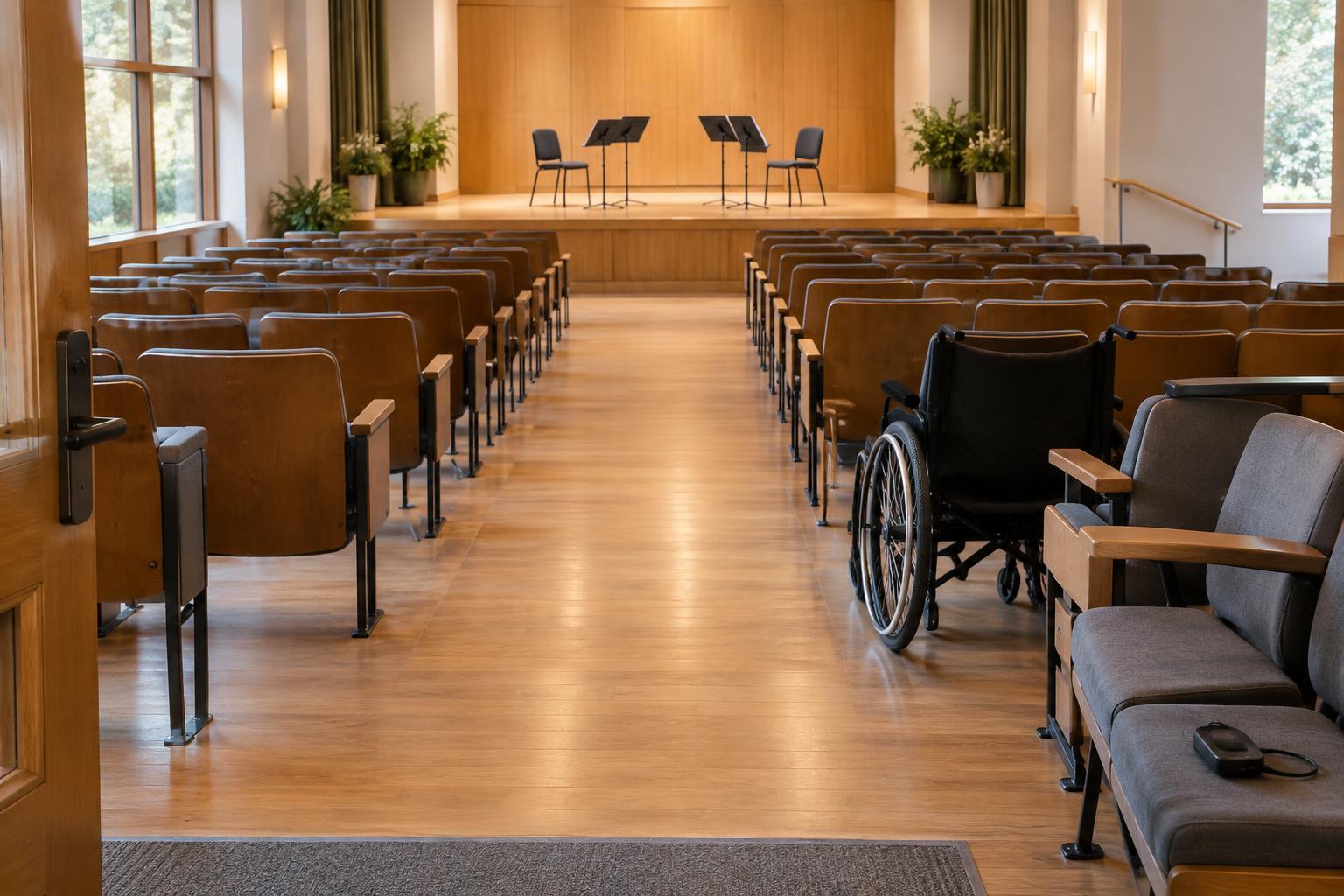
Describe what you need in practical terms: a step-free route, a place to remain in a wheelchair, a seat with room to stretch a leg, or a route with fewer stairs. Ask whether the accessible entrance is the main entrance and how to find it. If it is elsewhere, confirm whether it will be open when you arrive. You need not explain a diagnosis to ask how the space works.
Choose a seat that works for listening and comfort
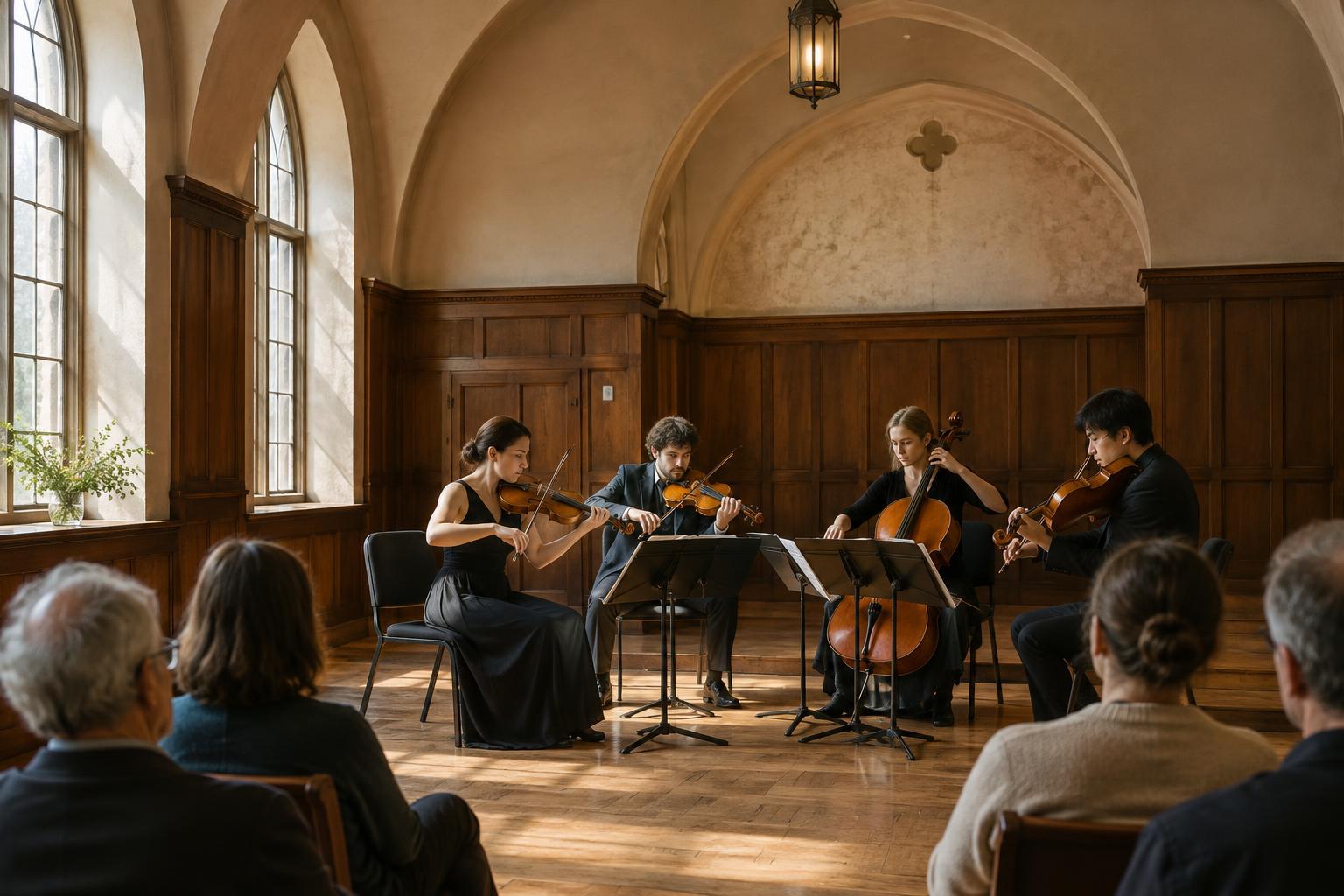
The nearest seat is not automatically the best one. In a small ensemble, seeing the players can help you follow a melody as it moves between instruments. If sightlines matter to you, ask whether a proposed seat has a clear view of the whole group, including any players seated behind others. A seating chart may show the row without revealing a pillar, a raised platform or an unusually flat floor.
Consider the journey to the seat as well as the seat itself. Ask about stairs within the auditorium, aisle width, armrests and space for a mobility aid. If you are attending with a companion, check whether adjacent seating is available rather than assuming it is included. Someone who may need to leave and return might prefer an aisle; someone who finds nearby movement distracting might choose differently. The right choice depends on your needs and the room.
Plan the entrance and the moments around the music
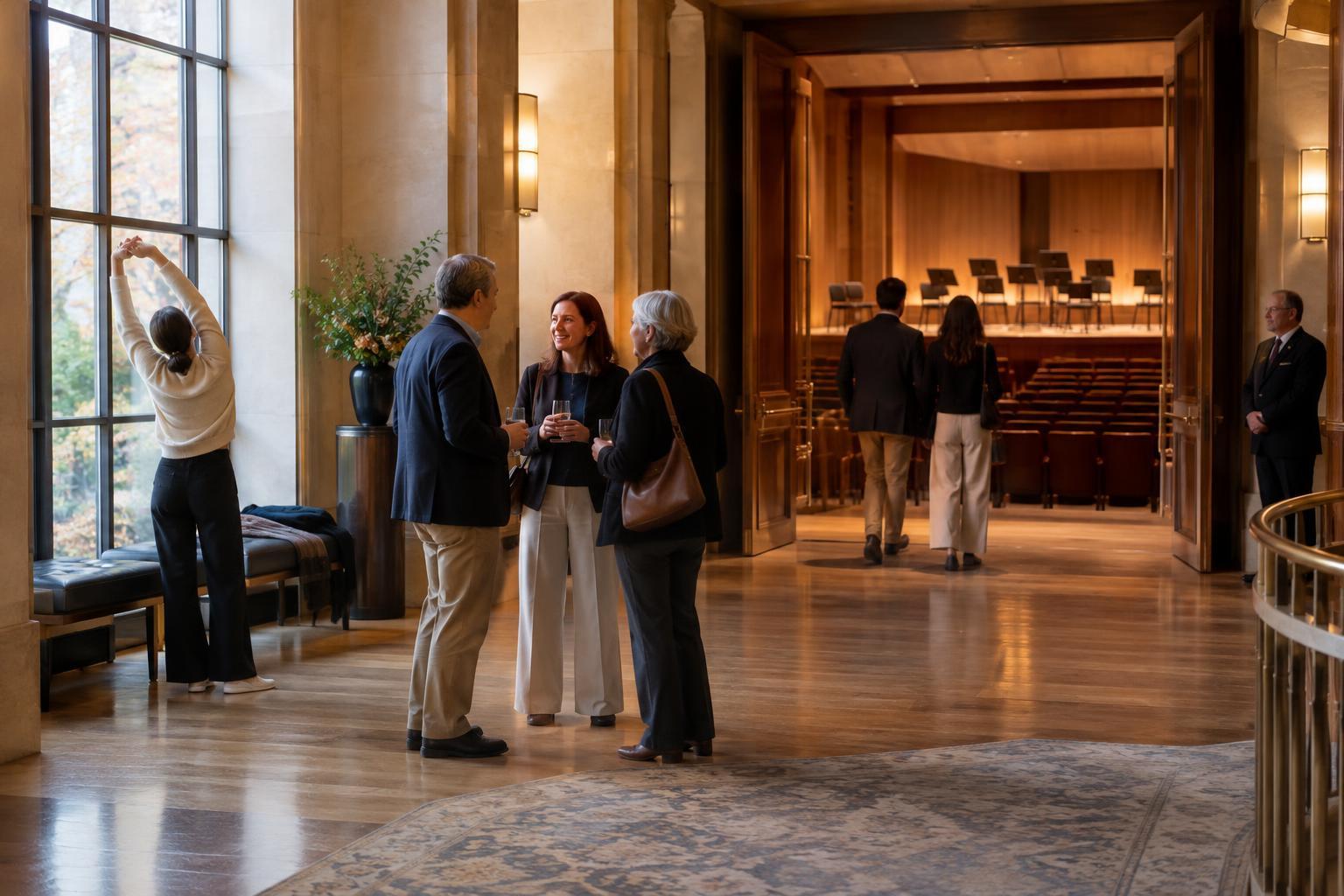
A calm arrival can make the concert more welcoming. Check where tickets are scanned, whether there is a queue you can avoid if standing is difficult, and how far the entrance is from your seat. If you are travelling by car or public transport, ask which drop-off point or stop is most convenient for the entrance you will use. Allow time to locate toilets, collect any requested equipment and settle in before the performance starts.
Concert customs vary, so it is reasonable to ask about them. Some performances admit late arrivals only at a pause; others have more flexible arrangements. Ask what happens if you need to step out during the music and whether you can return to the same seat. If you would benefit from a quieter place before the concert or during an interval, find out whether one is available. Do not assume that an interval is part of the program.
Ask what hearing support is available
Hearing support is not a single feature. Depending on the venue, options might include a hearing loop, another assistive listening system, printed program information or, for a spoken introduction, captions or interpretation. Availability can differ between rooms in the same building. Ask what is offered for your particular performance, where it works best and whether you need to reserve or collect a device.
If you use hearing aids or a cochlear implant, ask which system the venue uses so you can decide whether it is suitable for your setup. Staff may be able to explain how to connect or operate venue equipment, but it is wise to leave time to test it before the concert. If spoken announcements are important to you, ask whether their content is also available in writing. This keeps the focus on access to the whole event, not only the musical performance.
Confirm the details without making the visit a project
One concise message can cover most uncertainties: name the performance, state the seating or route you would prefer, and ask about the entrance, toilets, hearing support and any companion seating you need. Request confirmation of arrangements that affect your ticket. If you receive an answer by email, keeping it handy may help if different staff members are working on the day.
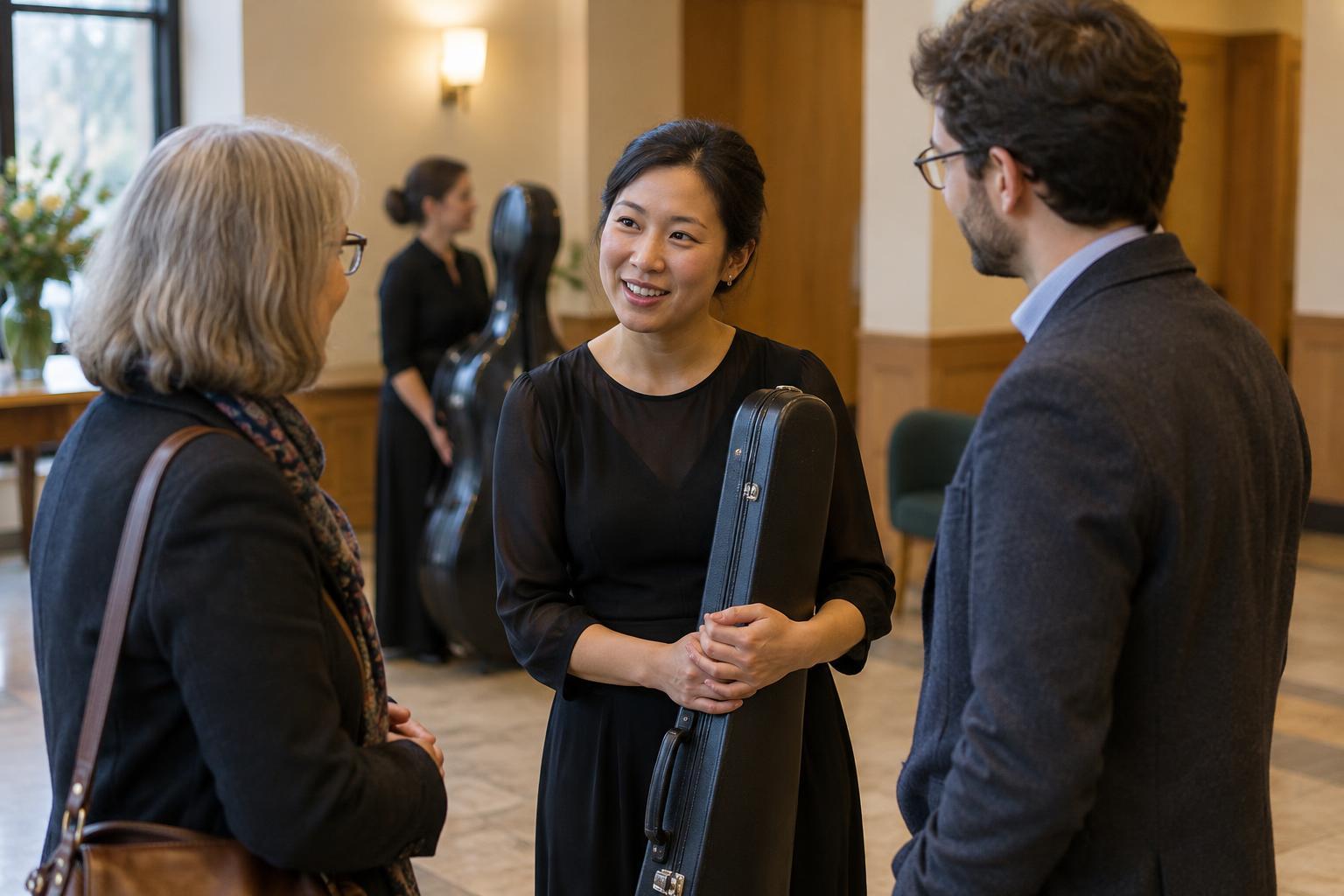
You can still leave room for the pleasures of a concert visit. Read a little about the ensemble or pieces if you wish, but there is no need to study before you go. Once you know how to enter, where to sit and what support to expect, your attention can turn to the exchange of musical ideas among the players. Accessibility planning is not separate from listening; it helps make listening possible on your own terms.