Start with the players’ arrangement
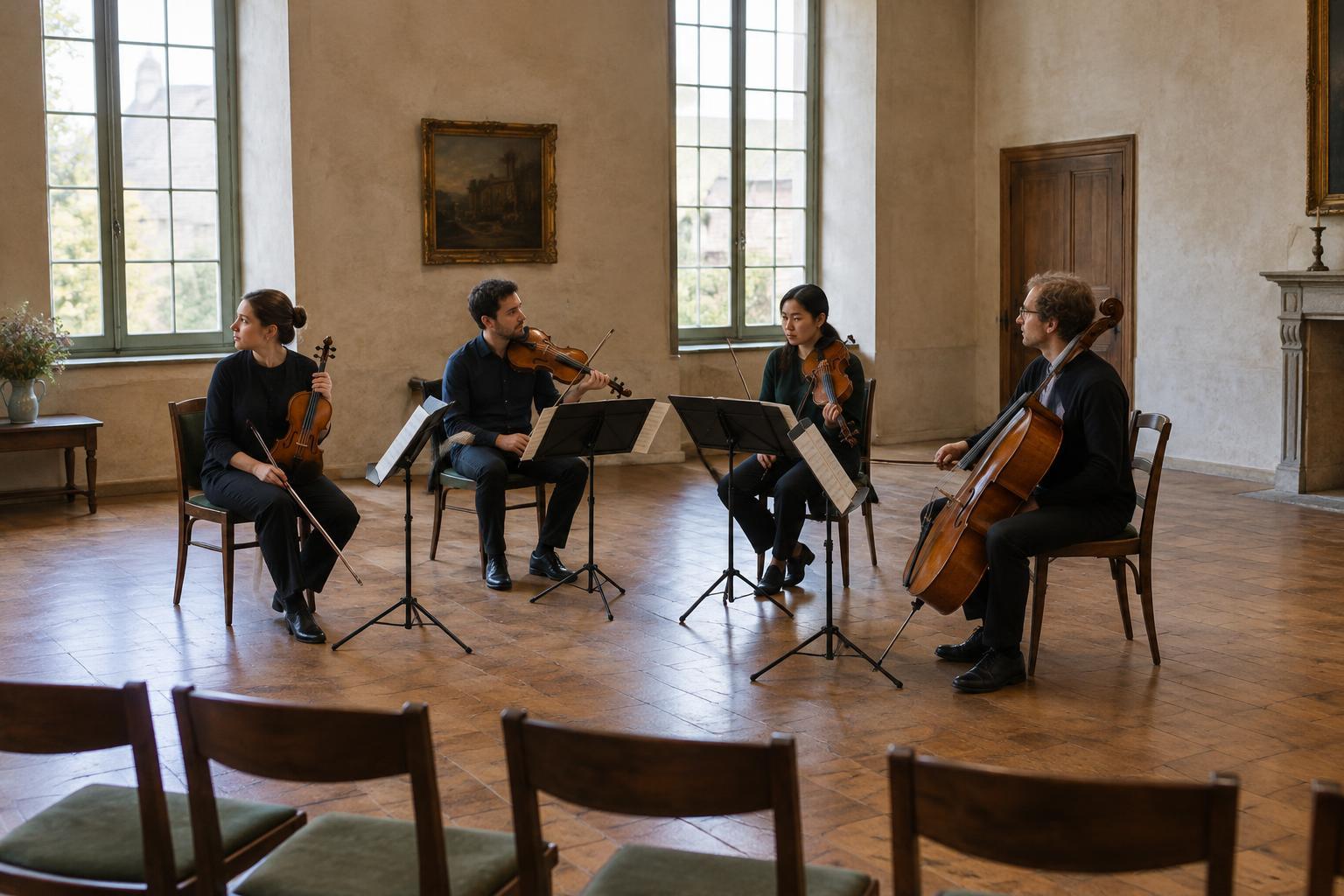
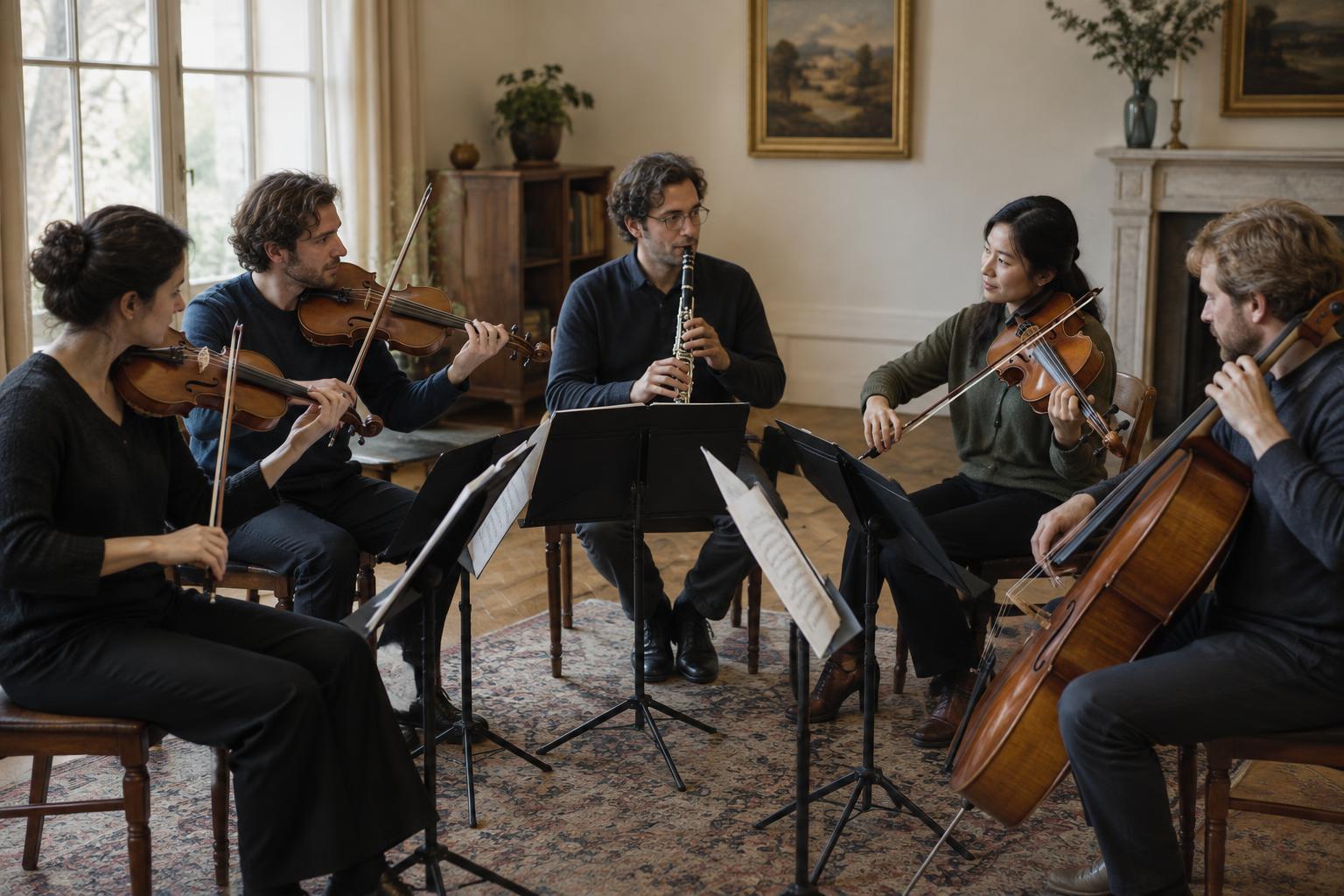
Before the music begins, take a moment to see where the musicians sit or stand. Their arrangement can offer clues about how they will work together. Players may need a clear view of one another to coordinate entrances and changes of tempo. They may also arrange themselves so that an instrument projecting toward the audience can be heard alongside a quieter one. The setup is a practical choice, not a diagram of who matters most.
Notice where the music stands are, too. Some players share a stand; others need their own. A pianist may have a score showing several parts, while another musician may read only their own line. These differences affect what each person can see on the page. You do not need to identify every instrument or seating convention to enjoy the concert. Simply knowing that the performers are working from different positions gives you a useful way to watch them listen.
Watch for the start of a shared phrase
In a small ensemble without a conductor, the beginning of a passage may be signaled by a breath, a raised bow, a shift in posture or a brief glance. The cue can be easy to miss because it is meant for the other players, not displayed for the audience. Sometimes several musicians move together and no single leader is obvious. Which person gives a cue may change from one passage to the next, depending on who has the melody or introduces a new idea.
Try following one transition rather than scanning every gesture. When a lively section gives way to a slower one, watch how the players settle into the new pace. A glance might confirm readiness; a visible breath might help them begin together. Then return your attention to the sound. The point is not to decode every movement, but to notice how closely the musicians respond to one another.
Page turns and other quiet tasks
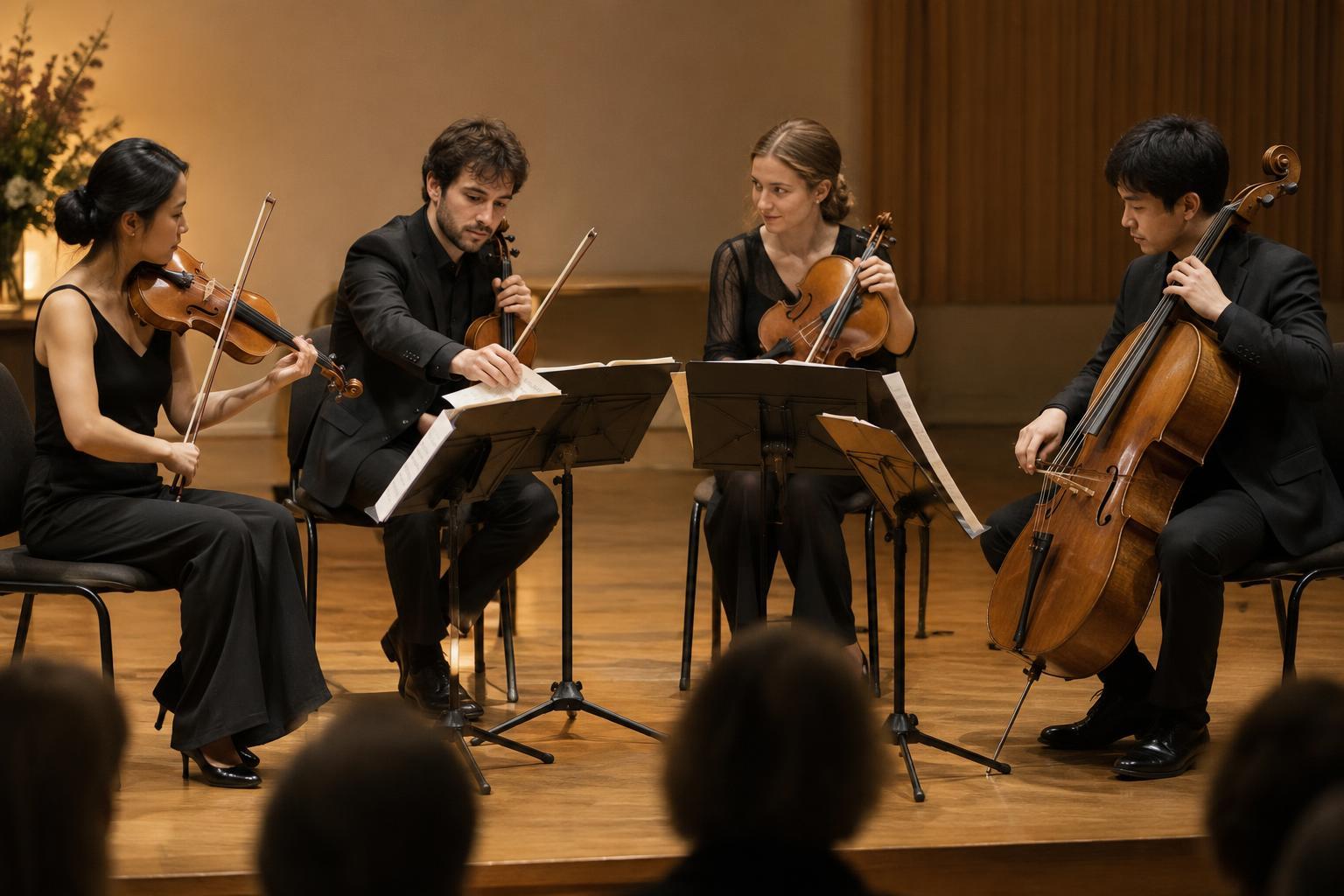
Turning a page is part of performing from written music. A player may wait for a rest, turn quickly between phrases or rely on a colleague sharing the stand. In some performances, a pianist has someone turn pages so their hands can stay ready at the keyboard. In others, the pianist manages alone or uses a different way of displaying the score. A slightly hurried page turn is usually a routine practical moment, not a sign that something has gone wrong.
You may also see a musician adjust a chair, move a stand or briefly check an instrument between pieces or movements. These small tasks help performers remain comfortable and prepared. A string player might make a tuning adjustment; a wind player might attend to a reed. There is no need to assign a dramatic meaning to every pause. Often the best thing an audience can do is give the players a quiet moment to get ready.
Notice teamwork without turning it into a test
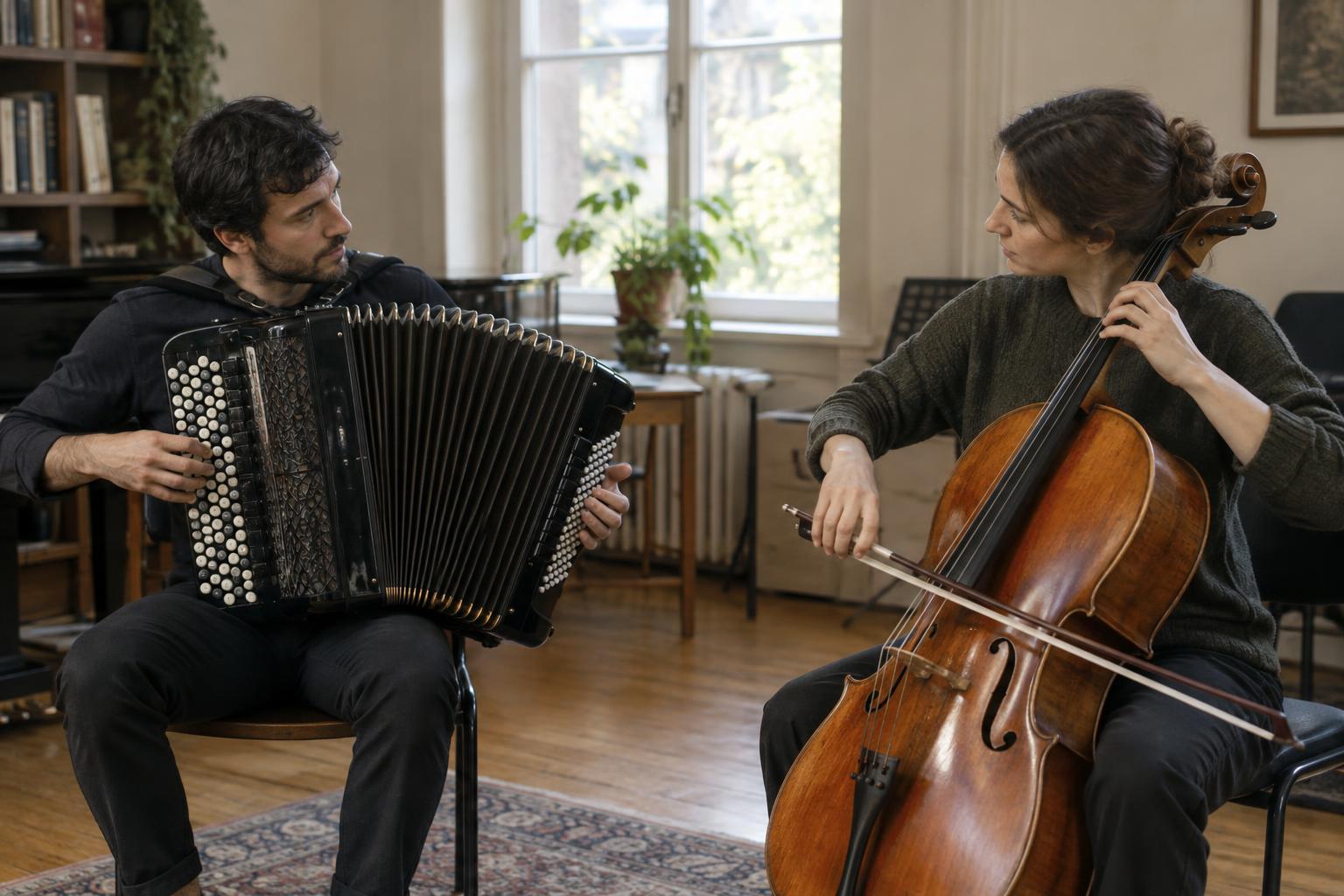
Chamber musicians balance their own parts with what they hear around them. One player may ease back while another has a prominent phrase, then step forward when the musical line passes to them. You may see eye contact at an ending or a small smile after a tricky exchange. You may also see very little: experienced players can communicate through timing and sound as well as visible gestures. An expressive performance need not look busy.
If you want a simple listening exercise, choose one short stretch and ask yourself who begins an idea and who answers it. At the next transition, look up to see whether the players give one another a cue. Then let the exercise go and enjoy the rest of the piece. Watching the stage can deepen your sense of the music as a conversation, but you do not have to catch every signal. The most important coordination is the result you hear: distinct voices making something together.