An autobiography without words
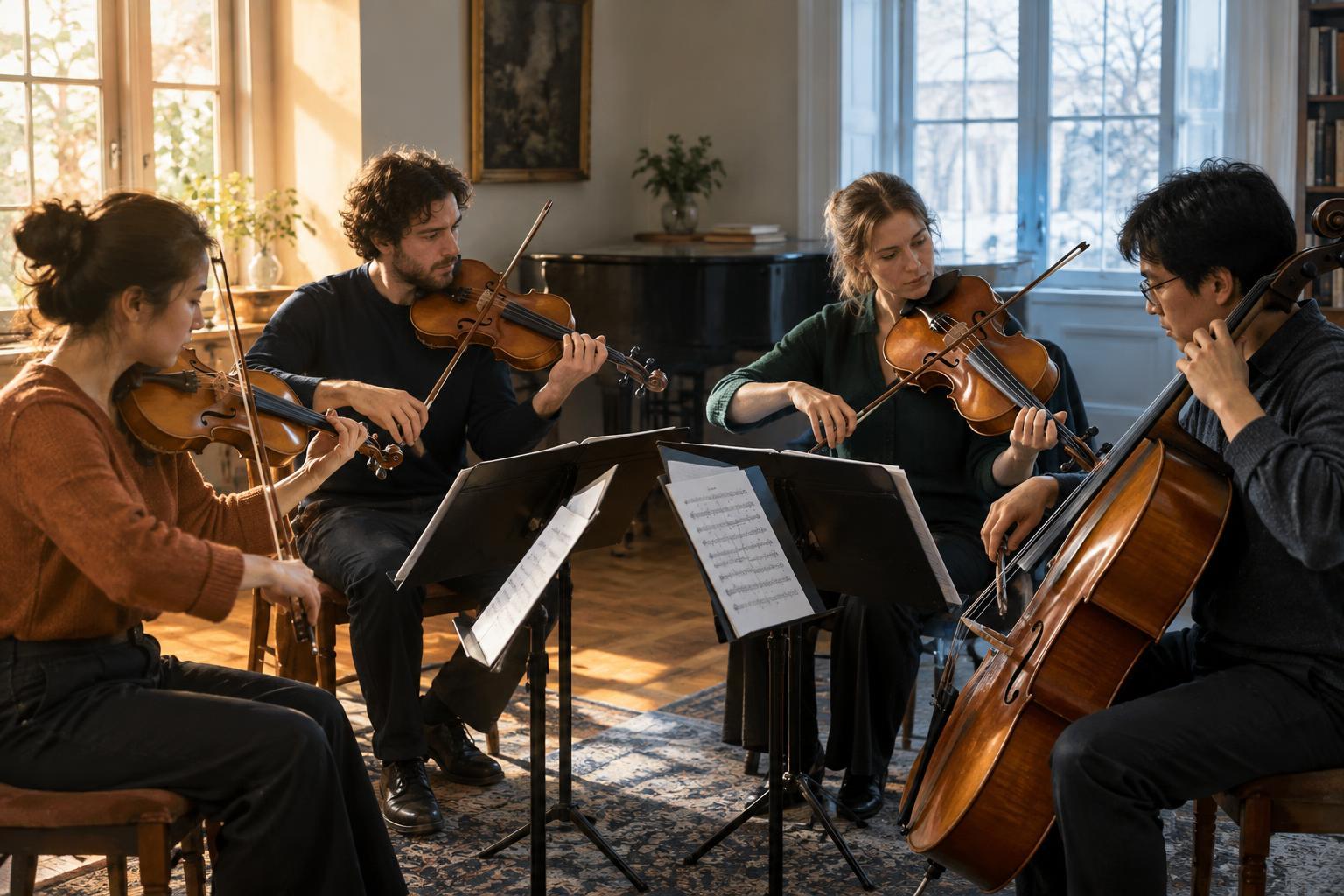
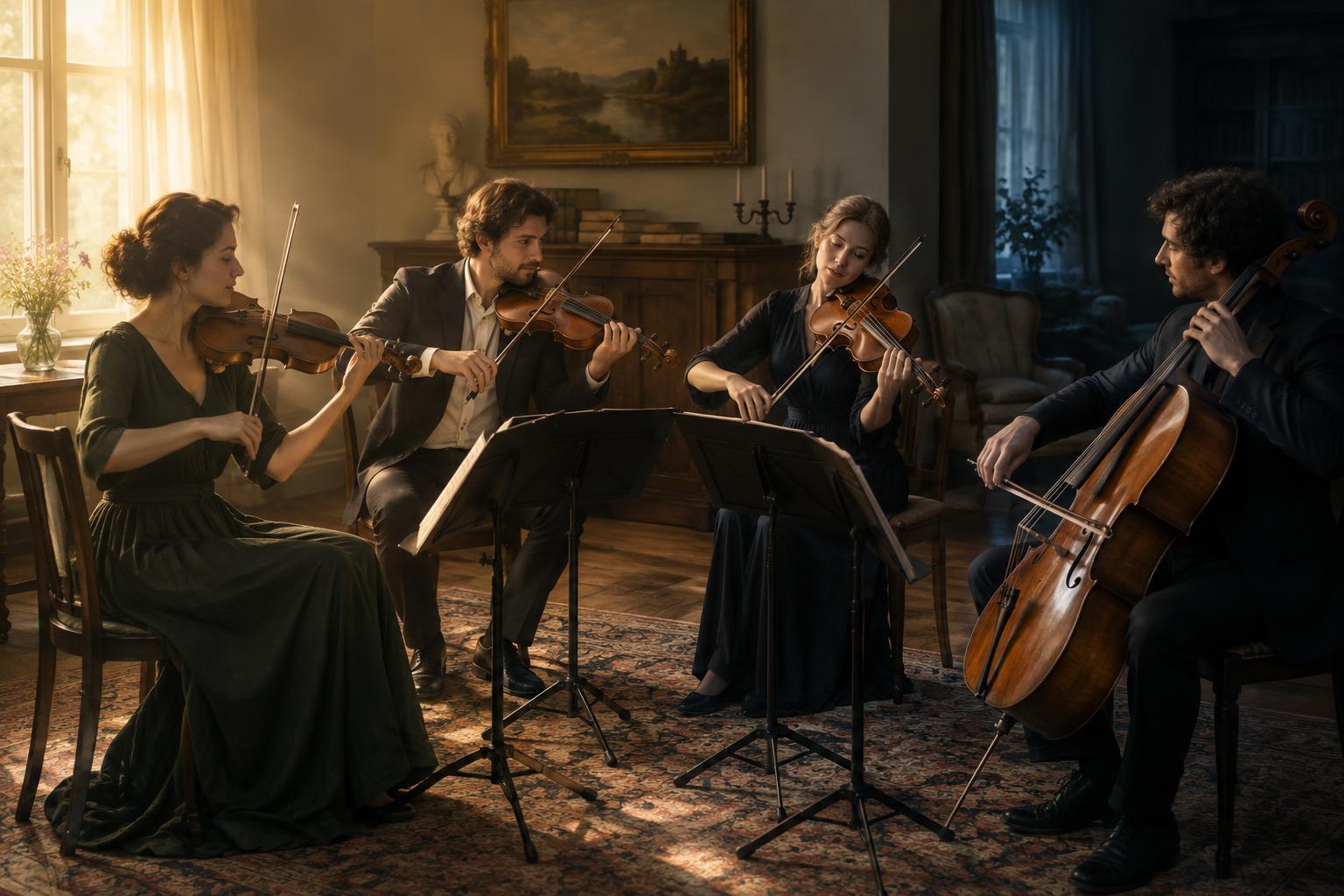
A string quartet has no narrator: two violins, viola and cello must make a story audible through melody, rhythm and the way they respond to one another. Bedřich Smetana’s String Quartet No. 1 in E minor, known as “From My Life,” makes that challenge unusually vivid. Written after he had lost his hearing, the work looks back across his life while also confronting that loss. Knowing its personal background can deepen a first listen, but the music does not depend on a listener identifying every passage with a particular incident.
Smetana shapes the quartet as four contrasting movements. An urgent opening gives way to a dance, a spacious slow movement and a lively finale that takes a startling turn. Rather than sounding like a sequence of diary entries, the piece repeatedly changes its sense of motion and emotional distance. A tune can feel confident one moment and vulnerable the next; a familiar musical gesture can return in a different light. That makes the quartet approachable as both a personal statement and a work of chamber music.
Youth, ambition and the pull of the dance
The first movement begins with an arresting viola line. Its dark, expressive sound stands out before the four instruments become caught up in more restless exchanges. Listen for the difference between that individual voice and the group’s surges of energy. The movement can suggest a young artist’s intensity and ambition without following a tidy path from hope to success. Its changes of pace and mood leave room for uncertainty as well as determination.
The second movement brings a more public, sociable world into view. Its polka character is clear in the spring of the rhythm, but the music is more varied than a dance played straight through. Phrases may seem to step forward, pause or turn aside, as if the players are enjoying the dance while commenting on it. If you are new to quartets, this is a useful place to follow the rhythm section: the cello and inner voices help establish the pulse, while the violins can make it feel playful, elegant or unexpectedly forceful.
A private voice in the slow movement
The third movement draws the listener inward. Its long, singing lines and measured pace create space around each instrumental entrance. Smetana associated this part of the work with love and happiness, and its warmth is easy to hear. Yet the movement is not simply calm. Its intensity grows from the effort of sustaining a phrase, passing it between players and letting it settle. The result can feel like a cherished memory being experienced rather than merely described.
Try listening once for melody and then again for accompaniment. When one instrument sings, the others do not disappear: they offer a pulse, a harmony or a quiet response that changes the melody’s meaning. This is one reason the string quartet suits Smetana’s subject so well. A private thought can be voiced by one player, then taken up, questioned or supported by the others. The emotional weight comes partly from those relationships, not only from the most prominent tune.
The finale’s interruption and what to listen for
The finale initially moves with bright momentum, recalling the energy of music-making and the possibility of fulfillment. Then a piercing, sustained high note cuts through the texture. Smetana linked this sound to the noise he experienced in his ear before losing his hearing. It is a striking moment because it interrupts music that had seemed ready to carry on. Even without the biographical explanation, the contrast between the animated ensemble and that exposed note is hard to miss.
What follows matters as much as the interruption. Listen to how the quartet’s energy changes and how earlier confidence becomes more difficult to sustain. The ending does not need to be reduced to a single verdict about Smetana’s life. It allows joy, disruption and reflection to occupy the same work.
For a first hearing, follow the broad arc: urgent opening, dancing second movement, lyrical third movement, then the finale’s sudden change. On a second hearing, choose one instrument and notice when it leads, supports or falls silent. The quartet’s autobiographical meaning is compelling, but its lasting power lies in the musical conversation that makes those experiences feel immediate.