A voice shaped by breath
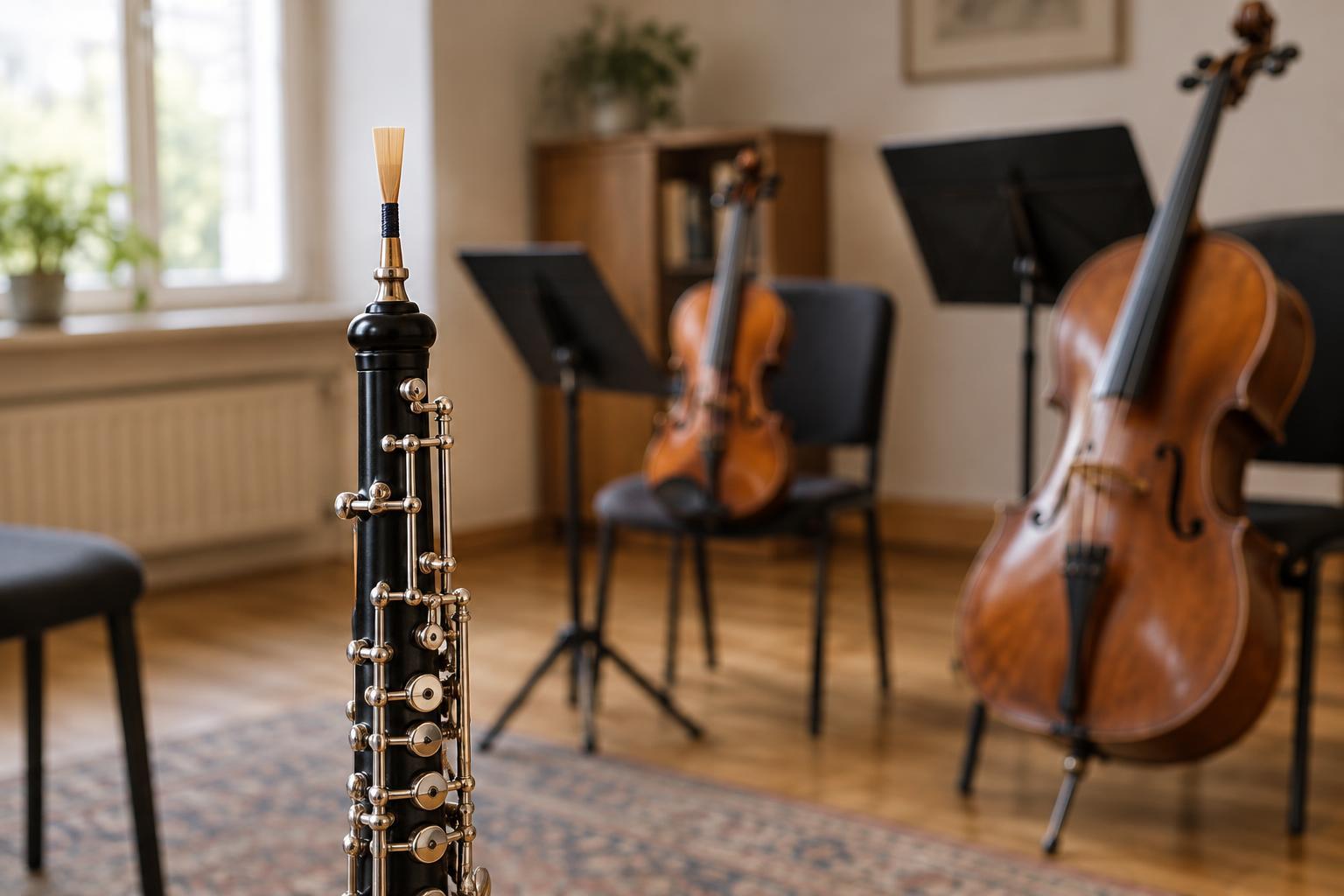
The flute is often easy to recognize but harder to describe. Its tone may seem clear and silvery in one passage, soft and breathy in another. Unlike a clarinet or oboe, the concert flute has no reed. The player directs air across the edge of the mouthpiece, and small changes in air, embouchure and articulation can noticeably alter the sound. In a chamber group, where individual lines are exposed, those changes become part of the conversation.
Listen for the beginning of each note as well as its sustained tone. A flutist might give a phrase a crisp, speech-like opening or let it emerge gently from another instrument’s sound. Short, quick notes can feel light on their feet; a long melody may depend on carefully placed breaths. Those breaths need not interrupt the music. They can clarify where one musical thought ends and the next begins.
How range changes the character
A standard concert flute usually reaches down to middle C, also called C4; some instruments have a low B key. It can play several octaves above that, though the highest notes place greater demands on the player. The flute sounds at the pitch written for it, which makes its register fairly straightforward to follow in a score. For listening, the important point is that register changes both its color and how easily it carries.
Low flute notes can be warm and intimate, but they may be covered by a forceful piano chord or a busy group of strings. In the middle register, the instrument can blend readily with other voices. High notes often project with more brilliance and can rise above a fuller texture. These are tendencies, not fixed rules: a player’s approach, the room and the other musicians’ dynamics all matter. When a flute melody seems to appear or disappear, notice what the rest of the ensemble is doing before assuming the flutist has changed volume.
Flute and piano: a partnership of contrasts
Flute and piano make a familiar chamber pairing because they offer contrasting kinds of sound. The flute can sustain and shape a note through the breath. A piano note begins with a struck attack and then naturally fades. A composer may use that contrast directly, letting the piano place rhythmic points beneath a flowing flute line, or may ask the two players to imitate one another’s phrasing.
The piano is capable of a much larger sound, so balance is central to the partnership. In a delicate passage, the pianist may leave space around a low flute melody; elsewhere, the flute may answer a strong piano gesture from a brighter register. Try listening for changes of leadership rather than treating the piano as constant accompaniment. A melody may move between the two instruments, or the piano’s harmony may change how an apparently simple flute note feels.
Strings, winds and other common partners
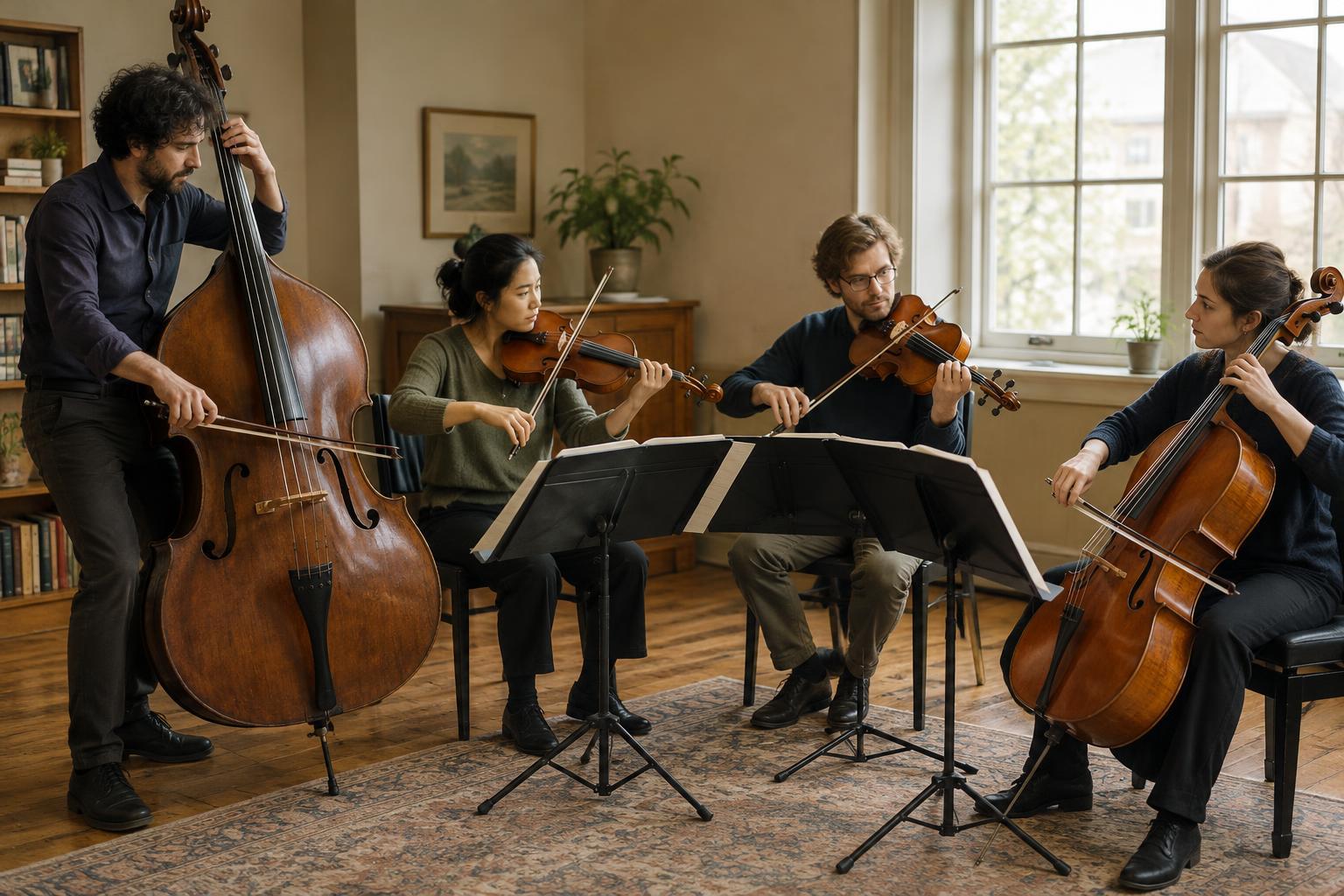
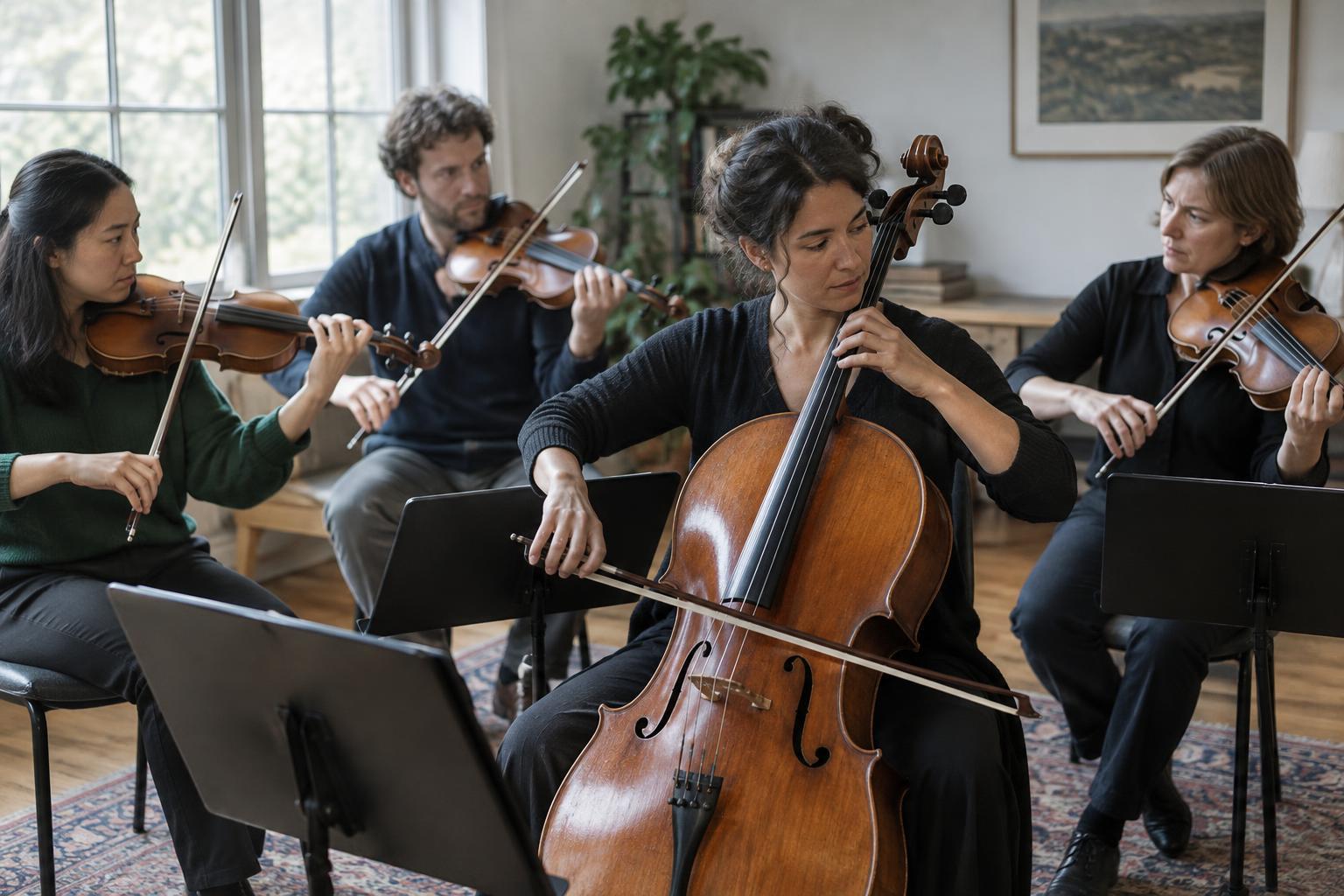
With strings, the flute can either stand apart or merge into a shared texture. A violin and flute may trade a melody, matching its shape while retaining their distinct attacks. A cello can provide a grounded line beneath the flute, while a viola’s middle-range sound may help connect the two. In a flute quartet—flute with violin, viola and cello—the string players can supply both a harmonic foundation and independent musical ideas. The interest often lies in hearing which instrument carries the tune at any given moment.
The flute is also a member of the woodwind quintet, alongside oboe, clarinet, bassoon and horn. Despite the name, the horn is a brass instrument; its presence adds another color to the group. Here the flute might share a nimble figure with the clarinet, contrast with the oboe’s focused tone, or float over a bassoon line. Harp and guitar can be appealing partners too, offering plucked attacks and ringing resonance. Because those instruments cannot sustain a note in the flute’s way, their interplay often highlights the flute’s ability to carry a continuous phrase.
A simple way to listen
On a first hearing, follow the flute through a single passage without trying to identify every note. Is it leading, answering, doubling another instrument or adding a color behind the main line? Then listen again to what surrounds it. A sparse accompaniment may make its lowest notes feel close and personal; a busier texture may draw your ear to its sharper articulations or higher register.
Chamber music rewards this kind of shifting attention. The flute is not always the brightest voice in the room, nor is it always the melody instrument. Its role can change within a few measures. Hearing those changes—how breath meets a piano attack, a bowed phrase or another wind player’s line—reveals much of the pleasure of a small ensemble.