A small ensemble does not have a fixed lineup
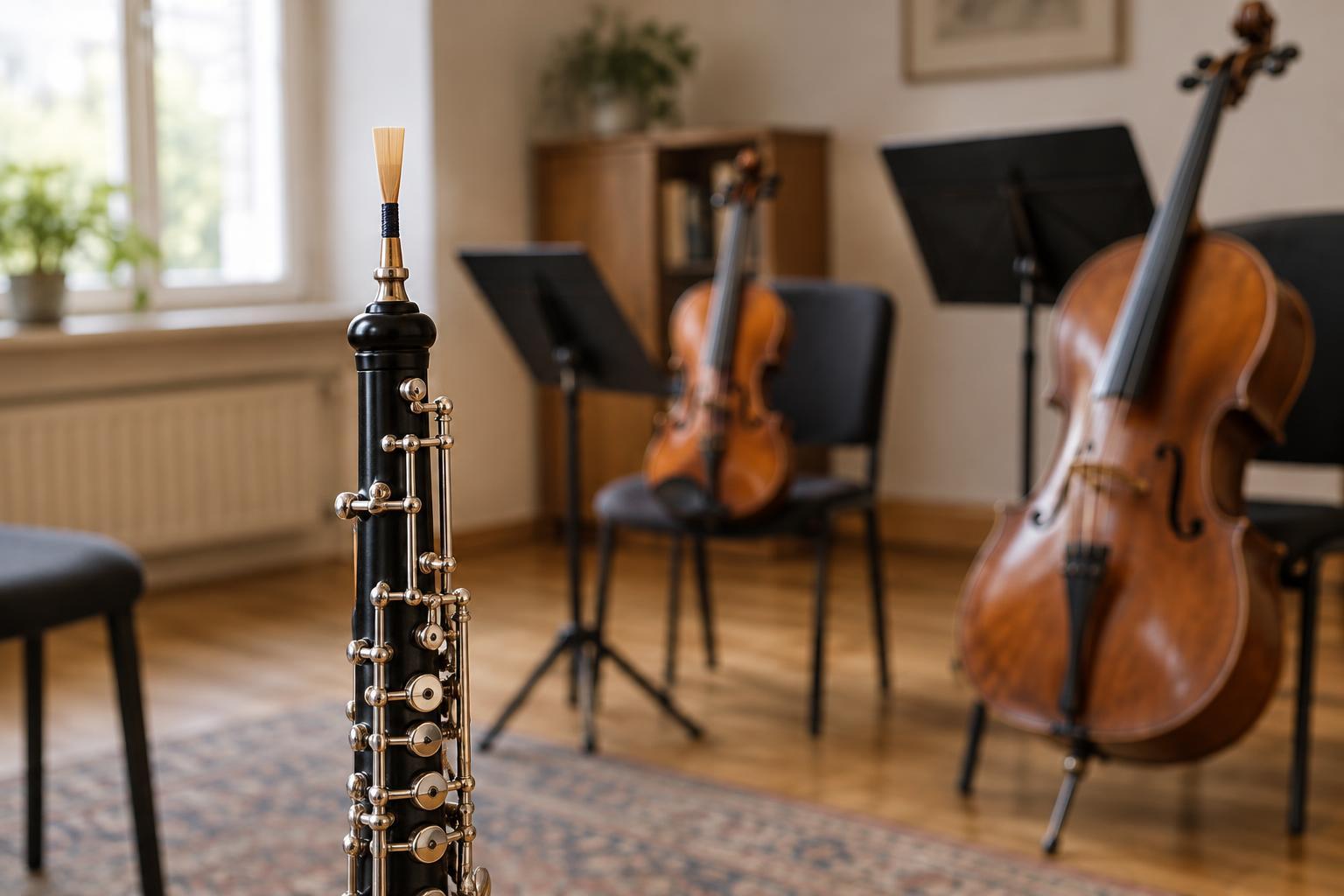
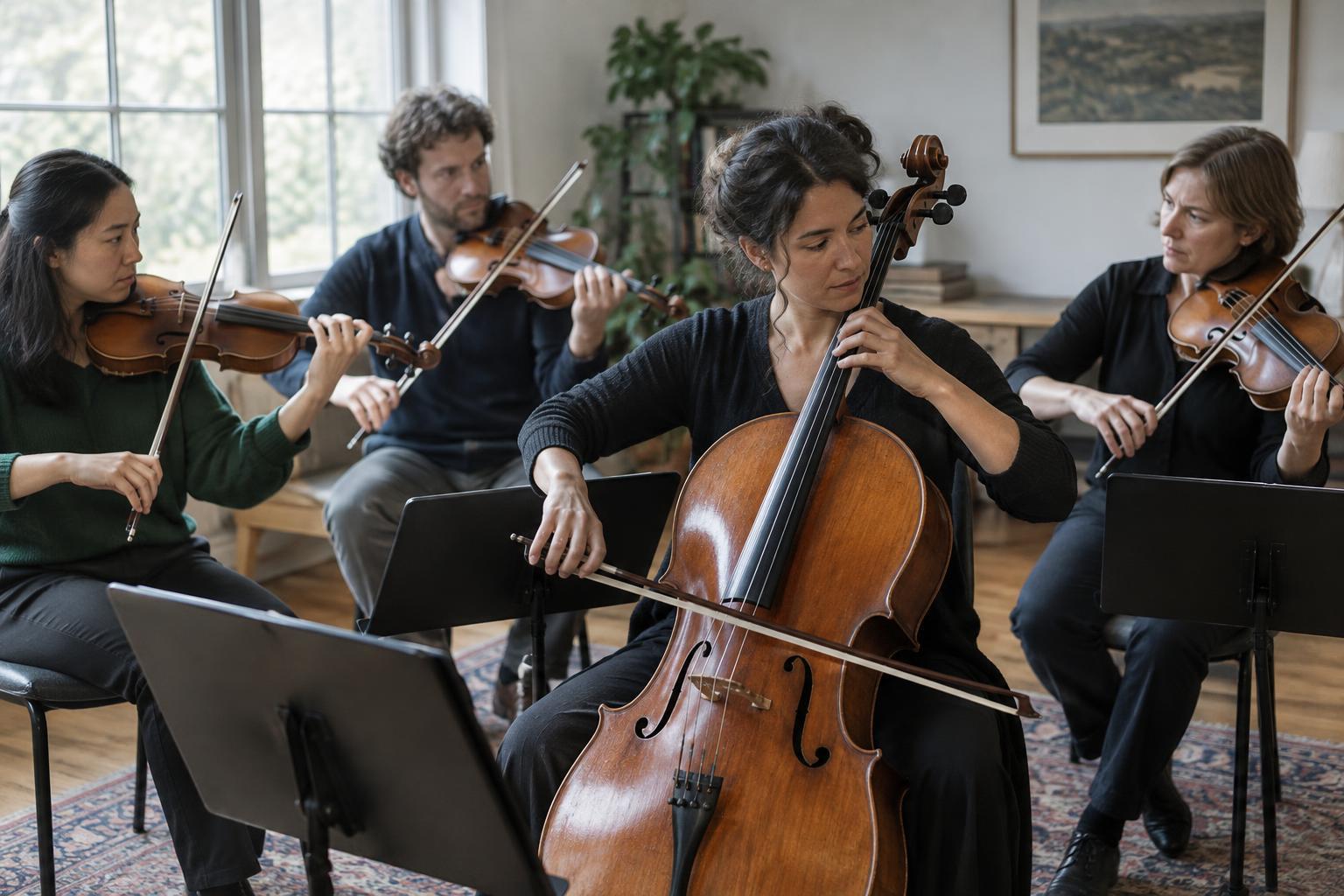
Chamber music is often described as music for a small group, with each player responsible for an individual part. That description leaves room for many combinations. A string quartet usually consists of two violins, a viola, and a cello; it does not need a double bass to be complete. Other works call for five, six, or more players, and some give the bass a part of its own.
The most useful starting point is the score. A composer may choose a particular combination for its range, balance, and character. An ensemble might also arrange a piece for different instruments, but adding a bass is not automatically an improvement. In a work whose low register is carefully assigned to the cello or piano, another instrument playing beneath it could change the intended texture.
What the bass adds to the sound
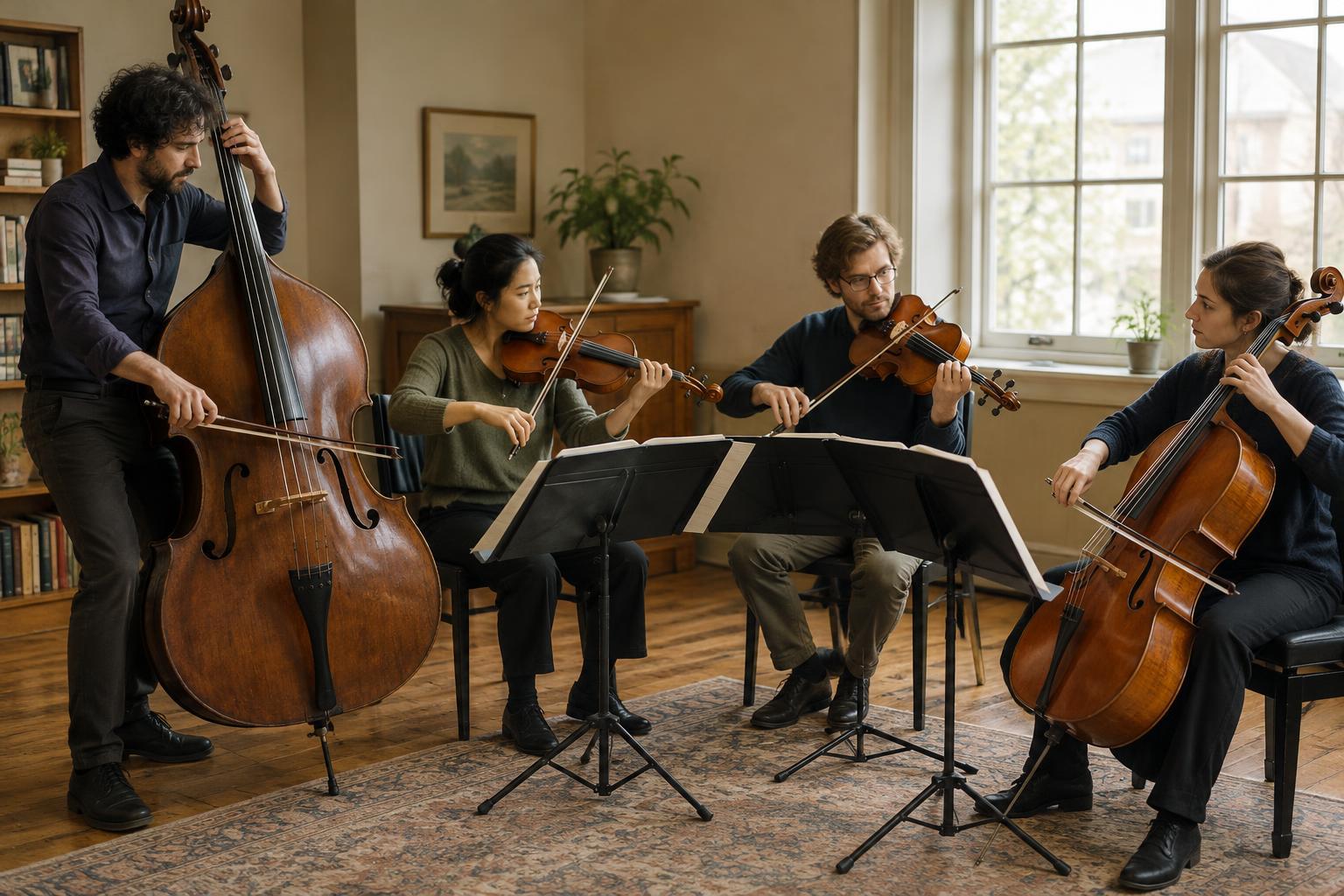
The double bass can give a group a deeper foundation. Its lowest notes sit below the cello’s range, while its plucked notes can provide a distinct pulse. Listen to how a sustained bass note makes higher instruments seem to gather around it, or how a short plucked note can mark a change of harmony without taking attention away from a melody.
Depth is only part of its contribution. A bassist can play a moving line, answer another instrument, or take a solo. The effect depends on the writing and on how the players balance their sound. In an intimate setting, the bass can be surprisingly articulate; it need not function as a miniature orchestral section.
Why familiar groups often leave it out
A string quartet has a broad range despite having only four players. The cello supplies its lowest voice, but can also sing in a middle or high register. Because the players can exchange melodic and accompanying roles, the quartet has many ways to create contrast without extending its range downward. Its identity lies partly in that particular balance of four voices.
The same principle applies to other established combinations. A standard piano quintet brings a piano together with a string quartet, so the piano and cello between them can cover a substantial low register. “Quintet,” however, means five players, not one permanent set of instruments. The well-known “Trout” Quintet, for example, uses violin, viola, cello, double bass, and piano. Its scoring creates a different relationship between the strings and the keyboard.
Scoring, style, and practical choices
In some older chamber music, a low instrumental line may be part of a continuo group: musicians realize an accompaniment from a written bass line and harmonic indications. Which instruments play that line can vary with the work and performance approach. A double bass may suit one setting, while a cello or another low instrument may be preferable in another. It is worth checking the specific piece rather than assuming that every low line calls for a bass.
Practical considerations matter too. A bass occupies more space and can be harder to transport than the smaller strings. Its sound may blend differently in a room or alongside particular instruments. Those factors can influence programming and arranging, though they do not override a clearly specified part. For musicians planning a performance, the central question is what the music asks the bass to do.
How to listen when a bass is present
At your next chamber concert or recording, try following the lowest line for a short passage. Does it reinforce the cello, move independently, or leave gaps for other instruments to fill? Notice whether the bassist uses the bow for connected notes or plucks the strings for a more sharply defined attack. Then listen again to the whole group: the bass part may shape the harmony even when it is not the most prominent sound.
When there is no double bass, ask how the ensemble handles the same jobs. Perhaps the cello anchors the harmony, the piano supplies low notes, or the music stays deliberately light. The presence or absence of a bass is not a measure of how complete a chamber ensemble is. It is one of the choices that gives each combination its particular voice.