One instrument, a family of voices
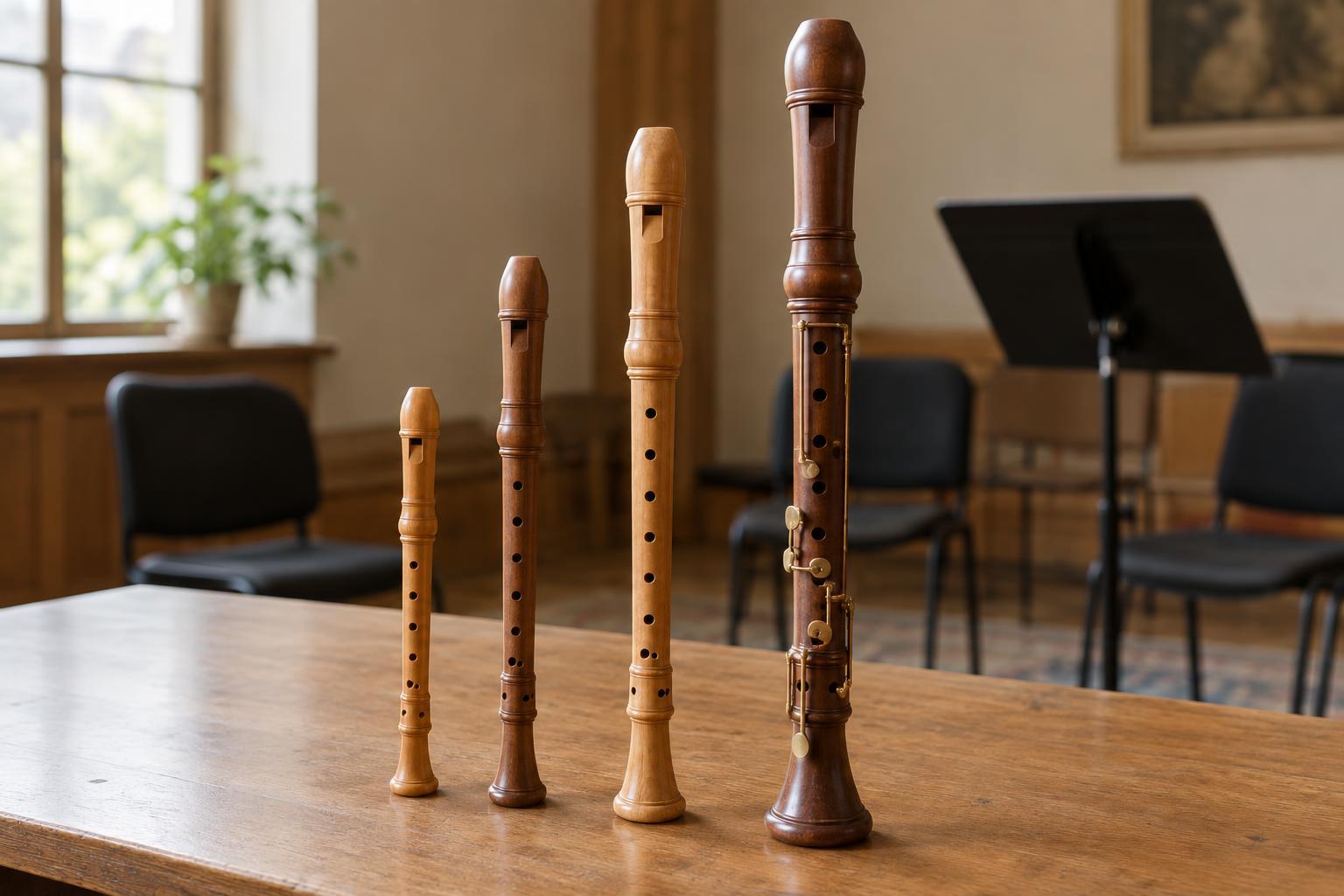
The recorder is an end-blown flute: a built-in windway directs the player’s breath across an edge to make the sound. Its clear attack and relatively gentle volume make it especially suited to music in which players listen and respond closely to one another. Although many people first meet the soprano recorder, chamber music draws on a family of instruments with distinct pitches and characters.
Size affects more than how high or low an instrument plays. A soprano can give a melody a bright, nimble outline; an alto often sounds rounder; and a bass adds depth without the weight of a large orchestral bass instrument. These are useful starting impressions, not fixed rules. Breath, articulation, the instrument itself and the room all shape what a listener hears.
Sizes and approximate ranges
The commonly encountered sizes include sopranino, soprano, alto, tenor and bass. Their lowest notes are typically F5, C5, F4, C4 and F3 respectively, with C4 being middle C. Most have a practical range of around two octaves, though the highest usable notes depend on the instrument, the player and the musical setting. A written part may also stay within a much narrower span to suit its intended sound.
Soprano, tenor and the larger great bass are members of the C family, named for their lowest note; sopranino, alto and bass belong to the F family. That distinction matters to players because familiar finger patterns produce different note names on C and F recorders. For listeners, the more immediate difference is register: neighboring sizes overlap substantially, so the same melody may take on a different color without moving to an entirely different pitch area.
Larger recorders require a different physical approach. A tenor may have keys to help a player reach lower holes, while a bass commonly uses keys and may have a bent neck or other arrangement that makes it easier to hold and blow. These features vary by design. They do not change the basic idea that recorder players coordinate breath and fingers to shape each note.
What each size can do in an ensemble
In a recorder consort—an ensemble made up of recorders—the sizes can form a blended set of high, middle and low voices. The soprano or sopranino may carry an upper line, but a high part is not automatically the tune. Alto and tenor recorders are particularly useful in interlocking middle lines, where one phrase begins as another ends. A bass recorder can ground the harmony or join the conversation with its own moving part.
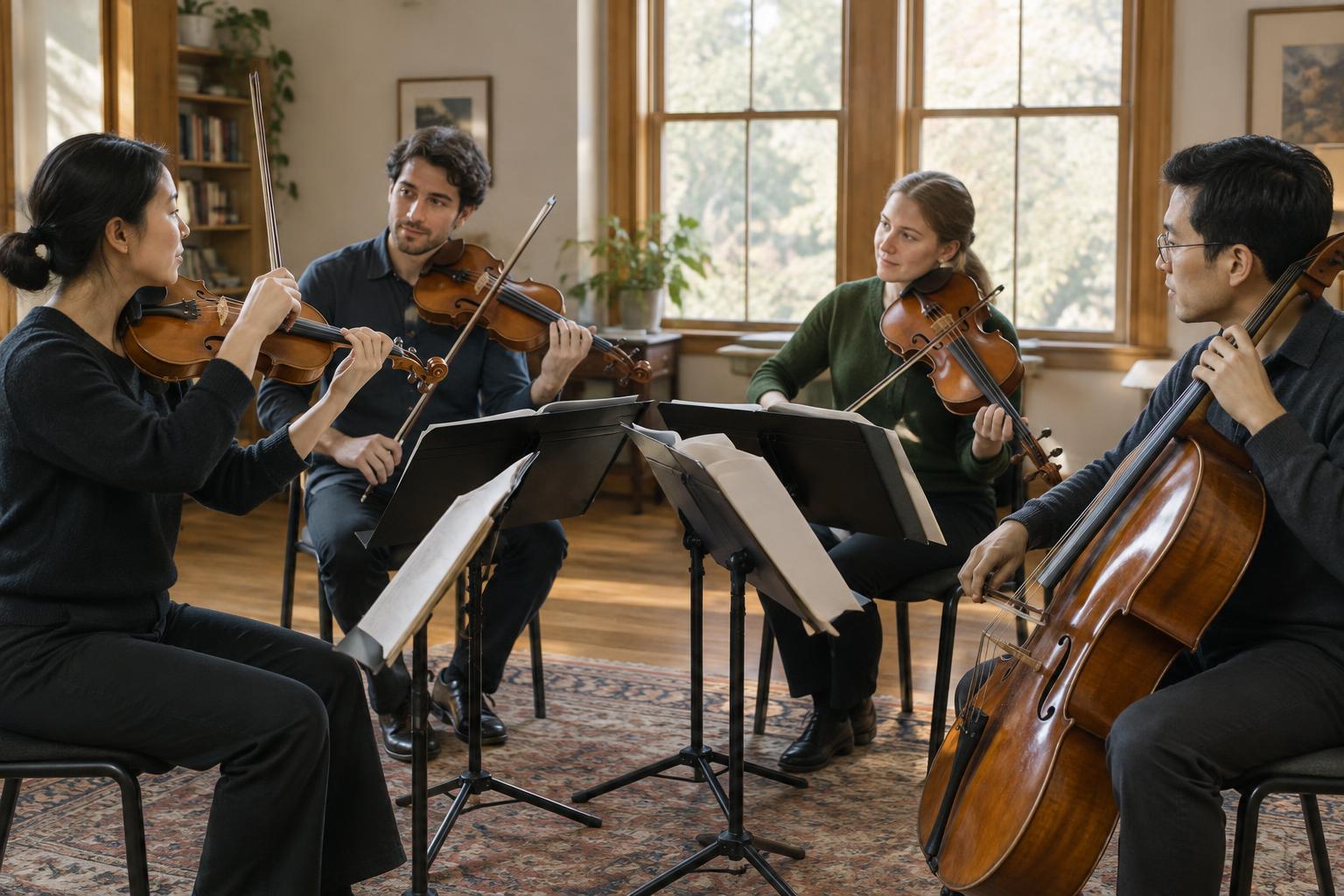
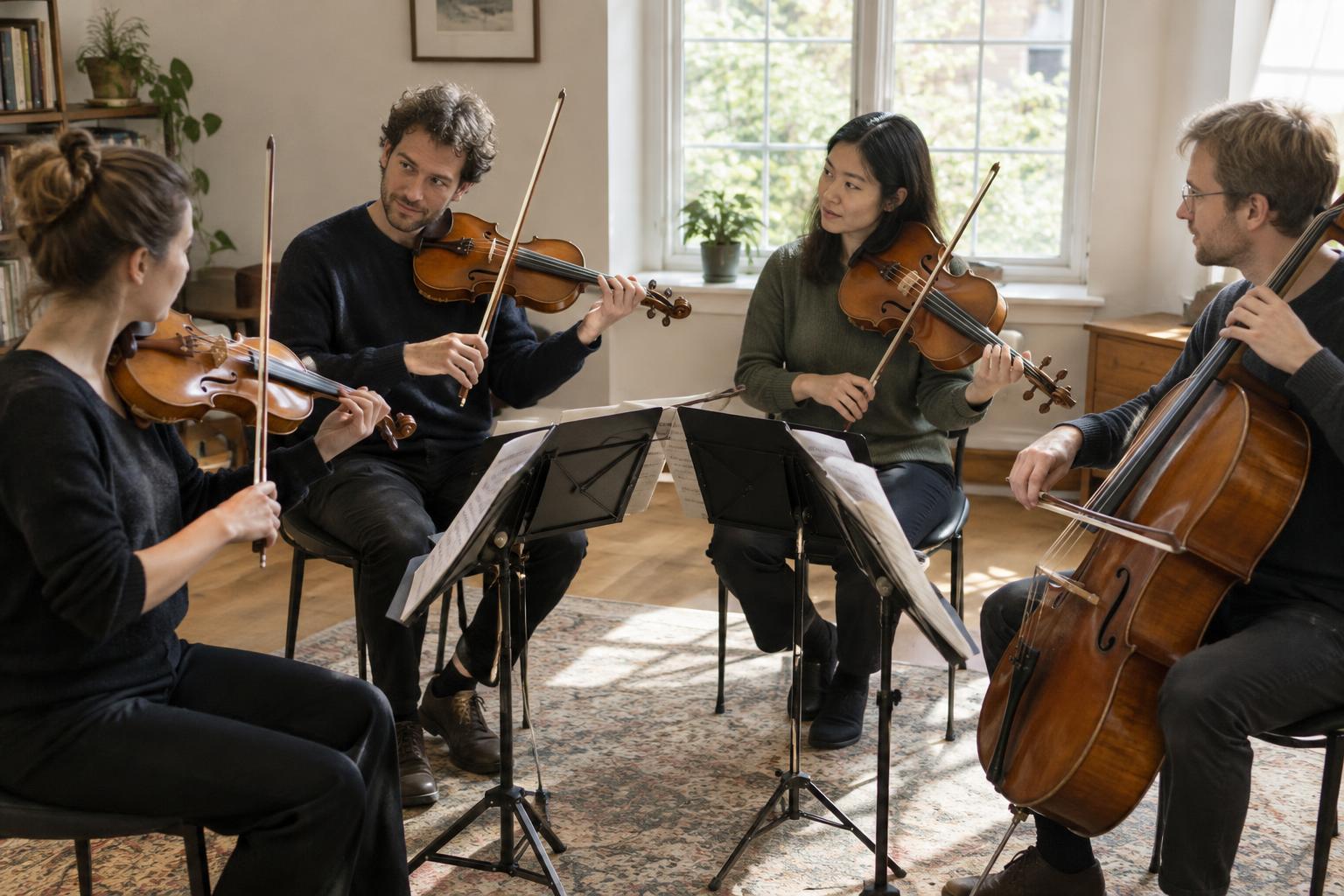
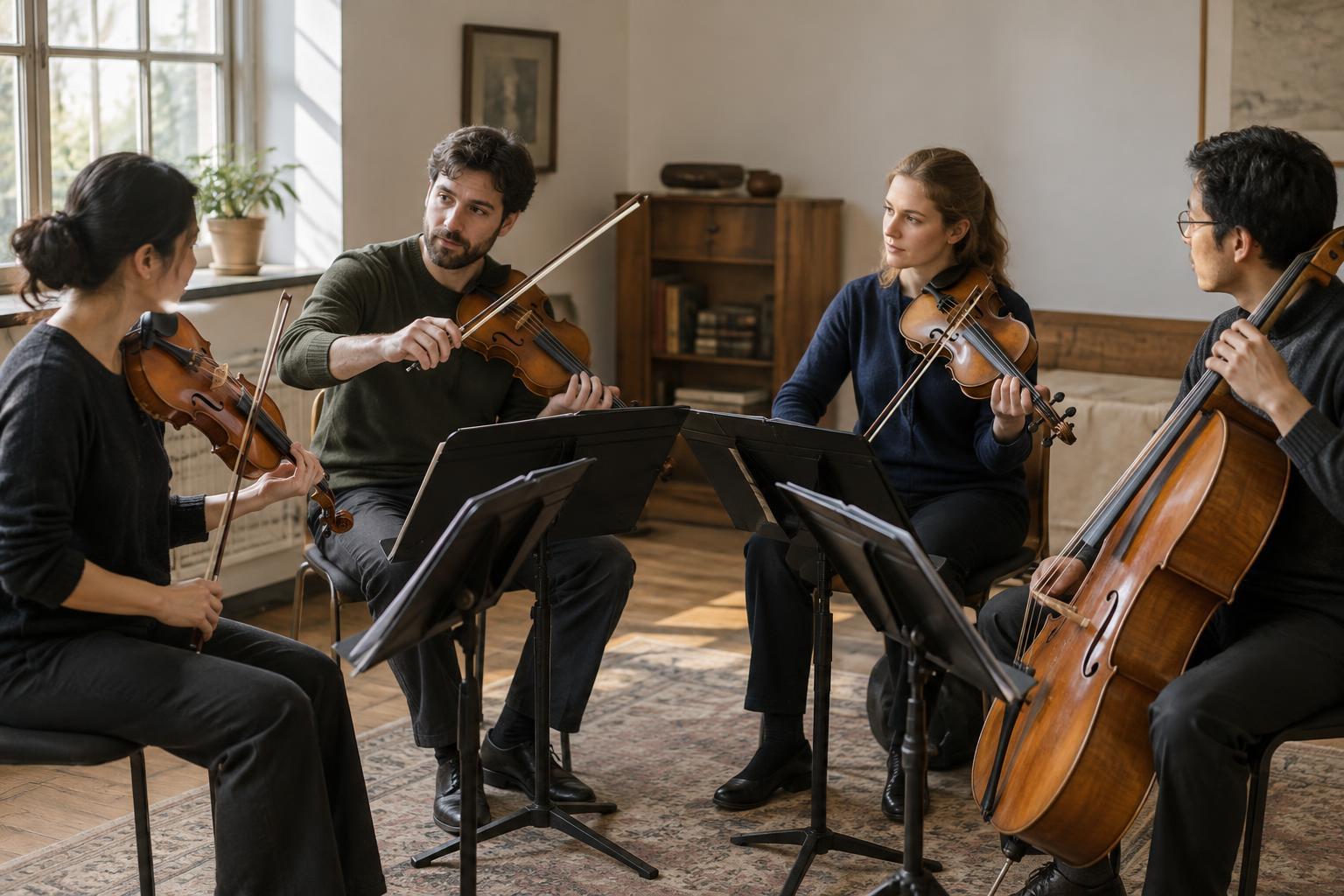
Recorders also appear alongside other instruments. An alto might trade phrases with a violin or oboe, while a tenor can occupy a register near the lower violin or upper cello. The balance changes with the other players and the room: a quietly played string instrument may leave space for a recorder’s delicate tone, while a forceful keyboard or bowed part can cover it. In chamber music, choosing who plays when can be as important as choosing which recorder plays.
Older and newer music do not always use the family in the same way. Some pieces feature one recorder as a solo voice with accompaniment; others distribute independent lines among several sizes. In either case, the recorder’s role is best understood by following its part: does it introduce a phrase, echo another player, fill in a harmony or support the pulse?
Listening for color, articulation and balance
To hear the family’s differences, listen first to the beginning of notes. Recorders can speak with a clean, lightly tongued attack, making short exchanges easy to follow. Then notice what happens during longer notes. Players have fewer ways to increase volume dramatically than players of some other wind instruments, so changes in breath, vibrato, timing and surrounding texture can be especially expressive.
In an ensemble, try following one recorder size for a complete passage before switching your attention to another. A low line may seem simple until it changes note just as an upper phrase turns. Middle voices may supply the most interesting suspensions or rhythmic answers. If a melody moves from alto to soprano, listen for both its continuity and the change in color.
Recorder chamber music rewards close attention rather than sheer loudness. Knowing the family’s approximate ranges helps you locate the voices, but the pleasure lies in hearing how they fit together: bright notes above, warm lines between and a low part that gives the whole texture its shape.