Start with the theme, not the surprises
In a theme-and-variations piece, a musical idea is presented and then heard again in altered forms. The theme might be an original melody, a familiar tune or a short passage built around a particular bass line or pattern of chords. Each return offers both recognition and surprise. The pleasure lies in noticing which features the composer preserves while changing others.
On a first listen, give the theme your full attention before trying to follow the variations. Notice where it seems to begin and end, whether its phrases feel balanced, and how its ending settles or leads onward. You do not need to name chords or count every measure. Humming a small part of the tune, or remembering the shape of its opening, gives you an anchor for what follows.
Listen for more than the melody
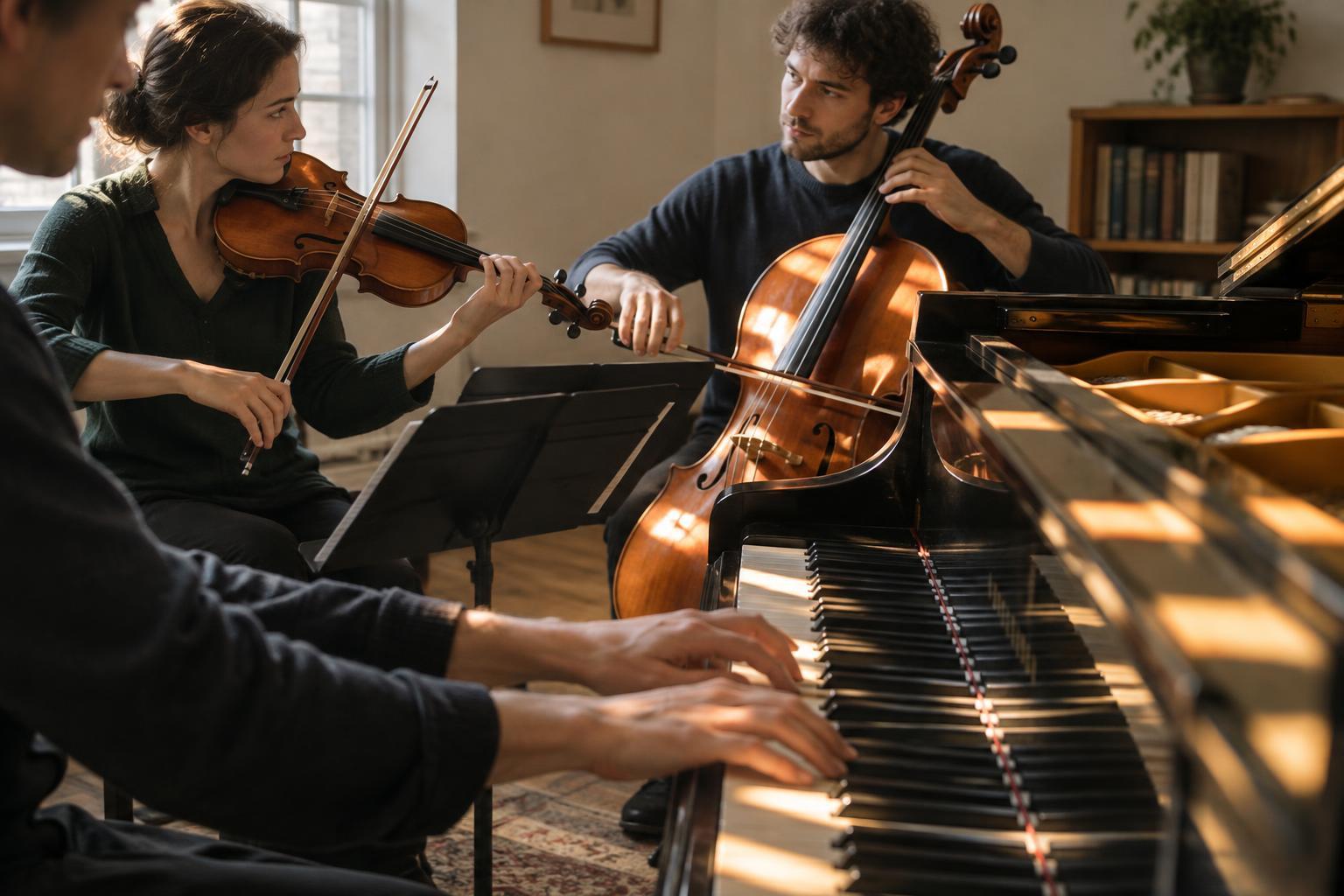
A variation may keep the melody nearly intact while changing what surrounds it. The piano might fill the spaces between a violin’s notes, for example, or a cello might take over a line previously played higher up. Even when the notes of the tune remain familiar, a change of register, articulation or instrumental color can make it sound newly gentle, restless or bold.
Other variations alter the melody so much that the tune is hard to find. Listen then for its underlying shape: where phrases pause, how long they last, or whether the same bass notes and harmonies seem to return. A quick cascade of notes may decorate what was once a plain, sustained phrase. The surface moves faster, but the musical route from opening to ending may be much the same. Not every set preserves the same feature, so treat these as possibilities rather than a checklist that must always apply.
Notice the character of each return
Changes in rhythm are often easier to hear than changes in individual pitches. A smooth theme can become dotted and springy; a brisk one can stretch into longer notes. Try asking a simple question at the start of each variation: has the music begun to walk, dance, rush or linger? That impression can help you hear a change of character without losing sight of the original idea.
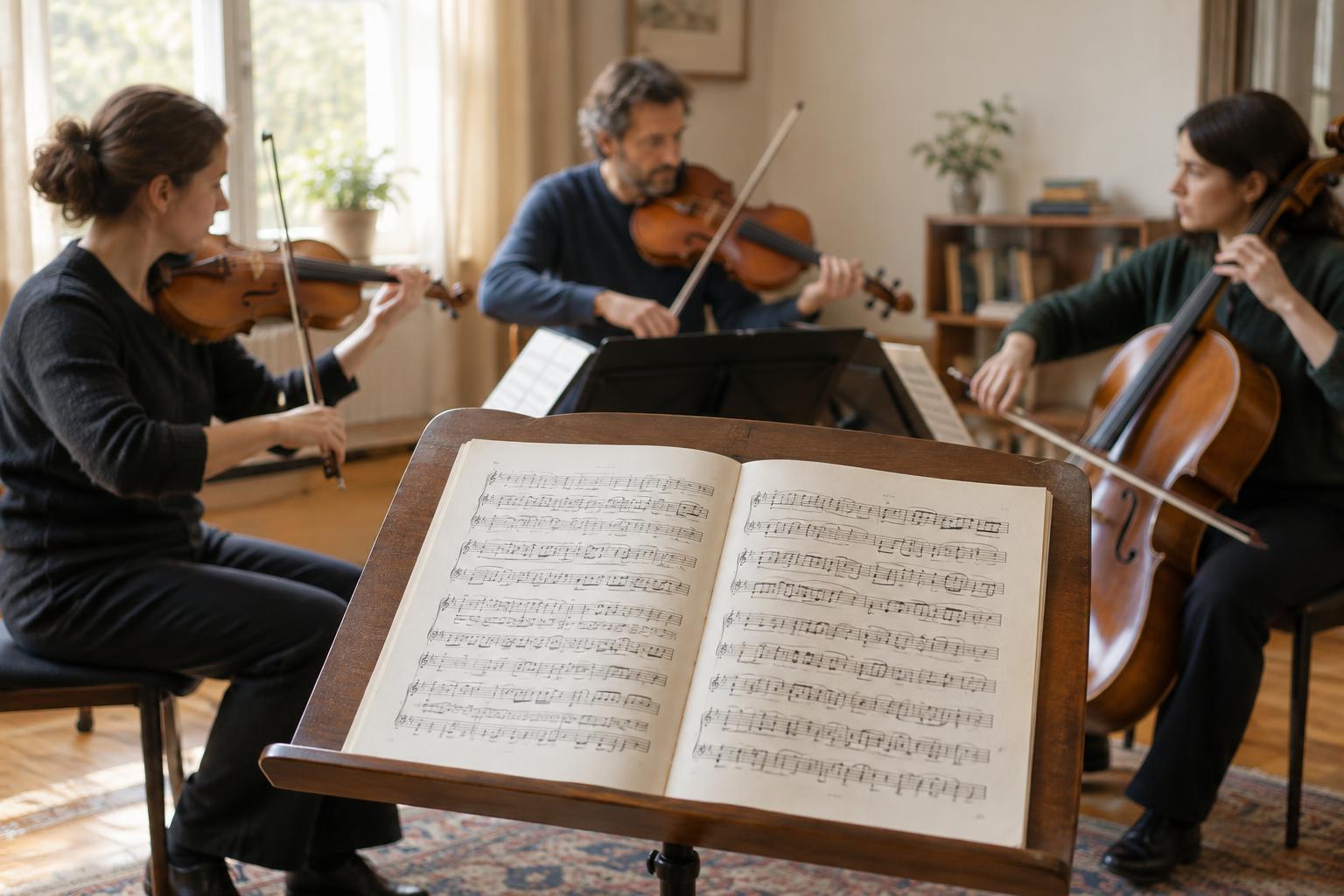
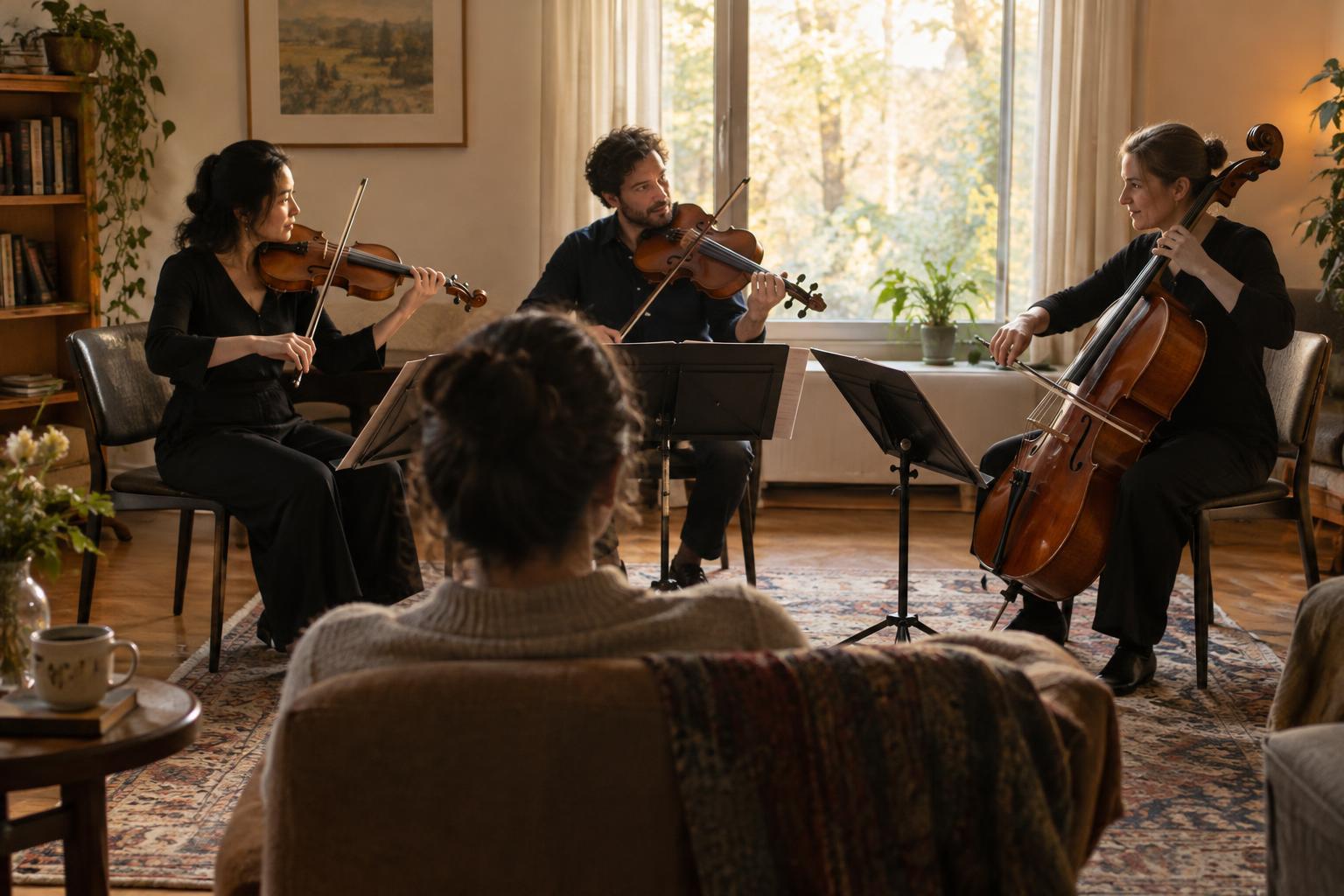
Texture matters just as much. One variation may leave a single instrument exposed, while the next invites the whole ensemble into a busy conversation. In chamber music, listen to how the players share responsibility: who carries the recognizable material, who answers it, and who supplies a steady foundation? A theme that belonged to one player at the start may later emerge from another part. Following that handoff is often more rewarding than trying to identify every changed note.
Use a two-pass listening exercise
For a manageable exercise, choose a short theme-and-variations movement and hear it twice. During the first pass, make no notes. Simply mark each moment when you sense a fresh beginning, even if you are unsure whether it is a new variation. Listen for a return to an opening gesture, a familiar phrase ending or a reset in texture. Repetition can become easier to recognize once you know roughly how much musical space the theme occupies.
On the second pass, give each variation two brief descriptions: one thing that stays and one thing that changes. You might write, “same phrase endings; faster surface,” or “familiar bass; melody passed to cello.” If a variation escapes you, leave it open. The aim is not to produce an analysis of the score, but to build a more attentive memory of the sound. Replaying the theme between variations, when your recording allows it, can sharpen the comparison.
Hear the set as a journey
Once individual variations become easier to distinguish, step back and listen to their order. Does the piece move from simple to elaborate, alternate between lively and reflective moods, or gradually thicken its sound? A slower or quieter variation may create a pause before a more energetic close. These changes can make the set feel like a larger journey rather than a row of separate demonstrations.
There is no need to catch every connection on one hearing. Sometimes the most transformed variation makes sense only after a later return clarifies what you missed. Keep one ear on the familiar thread and the other on what the players do with it now. Theme and variations rewards that flexible attention: you can enjoy an immediate change in sound while discovering, little by little, how much of the original idea has remained.